 vanilis
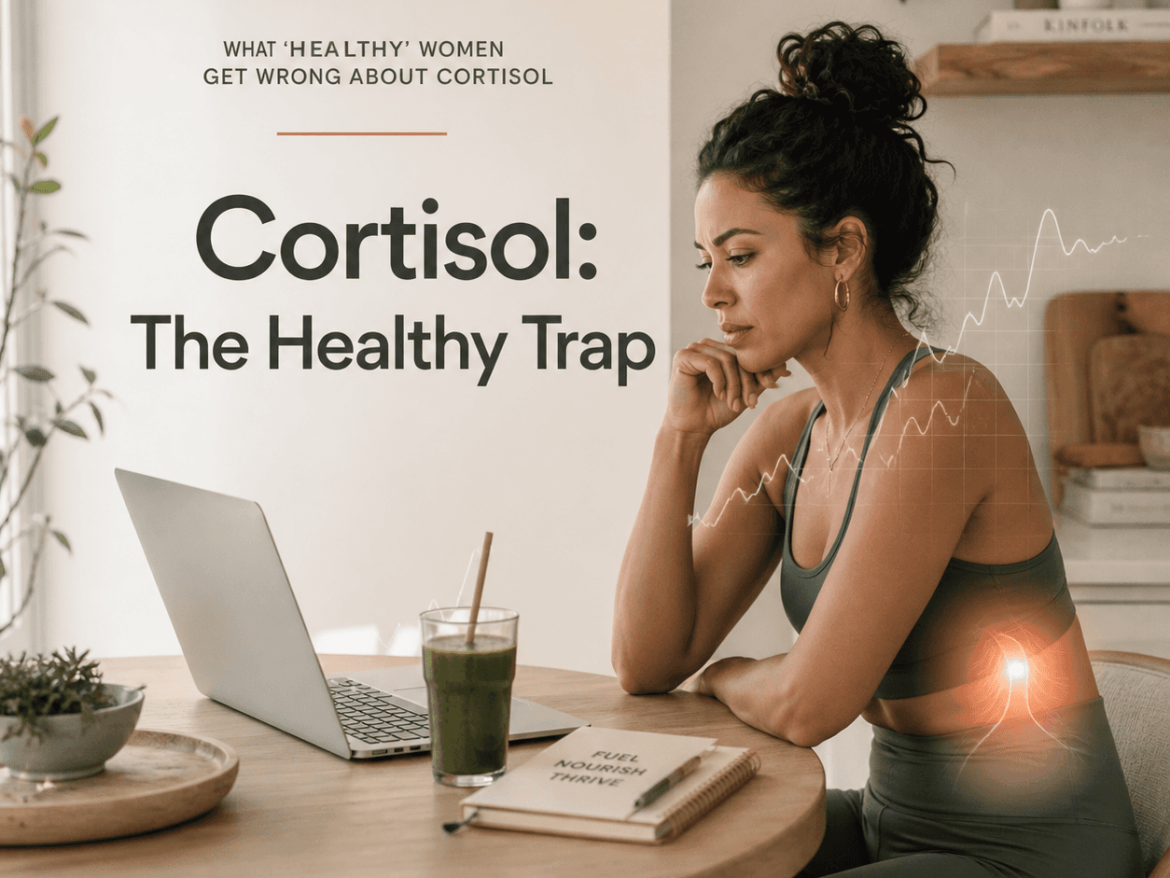
 She eats “clean”. She trains. She drinks the green juice. She tracks steps. She’s successful, high functioning, and generally the one everyone else goes to for advice.
And yet.
She’s exhausted in a way that sleep does not fix. She’s puffy, or gaining weight around the middle even though her food looks objectively perfect. Her skin is doing weird things. She’s either wired at night or dragging herself through the morning. She’s anxious, but also kind of flat. Libido has left the building. Periods are heavier, shorter, longer, missing, or just… off.
Then she gets labs, sees the word cortisol, and immediately assumes one of two things:
- Cortisol is high and it’s ruining her life.
- Cortisol is low and she has “adrenal fatigue”.
Both can be wrong. Or at least, way too simplistic to be useful.
Cortisol is not the villain. It’s not even the “stress hormone” in the way social media makes it sound. Cortisol is a rhythm. A system. A survival tool. And what I notice is that many “healthy” women don’t actually have a cortisol problem.
They have a recovery problem.
They have a signal overload problem.
They have a “my lifestyle looks good on paper but my body is not buying it” problem.
Let’s talk about what’s getting missed.
Cortisol is not just “high” or “low”. It’s a daily pattern.
Cortisol should be highest in the morning, within about 30 to 45 minutes of waking. That is what helps you feel alert, motivated, mentally switched on. Then it should gradually fall throughout the day, and be low at night so melatonin can rise and you can sleep.
A lot of women are walking around with a flipped curve.
Low in the morning, so mornings feel like you are swimming through wet cement. Then higher at night, so your brain suddenly wants to reorganize the pantry, answer emails, replay old conversations, solve world peace. Insomnia. Night waking. Restless sleep.
Or the curve is “flat”, meaning there is no real peak and no real dip. Just this constant low grade stress signal, day after day. You might still get through your day, sure. But you’re doing it with caffeine, discipline, and willpower. Not with actual energy.
So when someone says “my cortisol is high” I always want to ask:
High when?
Because cortisol at 8 am being robust can be normal. Cortisol at 11 pm being robust is a different story.
What “healthy” women commonly get wrong about cortisol
1. They try to lower cortisol instead of fixing the reason it’s elevated
If your body is using cortisol to keep you awake, keep your blood sugar stable, keep inflammation in check, or keep you functioning under chronic demand… your body is not being dramatic. It’s being clever.
Cortisol rises for reasons that have nothing to do with you being “too stressed emotionally”.
Common triggers I see:
- Blood sugar swings (especially under eating, fasting too hard, or low carb done aggressively)
- Overtraining without recovery (HIIT plus lifting plus steps plus busy life, on repeat)
- Chronic gut inflammation (bloating, constipation, diarrhea, reflux, food sensitivities that keep expanding)
- Poor sleep, sleep apnea, or simply not enough hours for your current load
- Perimenopause changes (progesterone shifts, more sensitivity to stress, sleep disruption)
- Hidden infections, inflammation, pain, or even unresolved iron deficiency
So if you just throw ashwagandha at it and hope for the best, you might feel slightly calmer. Or you might feel worse. Or nothing changes.
Because the driver is still there.
2. They think being “disciplined” is the same thing as being regulated
Discipline is great. I love it. It helps people change.
But your nervous system does not care how disciplined you are. It cares whether it feels safe enough to downshift.
Many high achieving women live in subtle overdrive all day. They wake up and immediately check messages. Coffee on an empty stomach. Train hard. Work intensely. Eat quickly. Hold tension in the jaw and shoulders. Push through the afternoon crash. Then scroll at night because they are too tired to do anything else.
That is not regulation. That is performance.
And cortisol is one of the hormones that keeps performance going. Until it can’t.
3. They under eat protein and total calories, then wonder why they feel “inflamed”
This one is so common it almost feels boring. But it matters.
Women will tell me they eat really healthy. And they do. Tons of vegetables. Smoothies. Salads. “Light” meals.
But the total intake is low, especially protein. Or they skip breakfast because they are doing intermittent fasting because it’s “anti aging”.
Here’s the problem. If your body doesn’t get enough fuel, it has to make glucose somehow. Cortisol helps with that. It mobilizes energy. It helps you function in scarcity.
So if you consistently under eat, especially early in the day, cortisol may rise to keep you going.
This is why some women feel better when they stop fasting. Not because fasting is evil. But because their body was already under enough stress. They didn’t need another stressor layered on top.
4. They treat exercise like a punishment, or like therapy, or both
Exercise is medicine. Also true. But dose matters.
Hard training is a stressor. A good one, in the right dose, with recovery. But many “healthy” women are exercising like they are trying to outrun their own nervous system.
HIIT classes five times a week. Running plus lifting plus hot yoga. No deload weeks. No real rest days. Not enough food to match it.
Then they say, “But exercise reduces stress for me.”
Yes. In the moment, it can. Because it gives you an endorphin hit and a sense of control.
But physiologically, intense training raises cortisol. Again, not bad. Unless it never comes down.
If you are not sleeping well, if your cycle is changing, if you are sore all the time, if you need more caffeine to train, if you dread workouts but force them anyway… your body is giving you feedback.
5. They think cortisol is the root cause, when it’s usually the messenger
Cortisol is often responding to:
- Low progesterone and more fragile stress tolerance in perimenopause
- Thyroid issues (including low T3 from chronic dieting)
- Insulin resistance or reactive hypoglycemia
- Gut dysfunction and endotoxin load
- Inflammation (from autoimmunity, infection, even mold exposure in some cases)
- Nutrient depletion (magnesium, B vitamins, vitamin C, iron, zinc)
So the goal is not “cortisol down”.
The goal is “why is your body needing cortisol to compensate”.
The cortisol and gut connection women miss
Since you shared the Gut N Glow challenge background, I want to connect a dot here because it matters.
A stressed gut can drive a stressed nervous system. And a stressed nervous system can drive a stressed gut. It is a loop.
If your gut barrier is irritated (think increased intestinal permeability), or your microbiome is imbalanced, your immune system is constantly reacting. That immune activation is stress. Even if your life is “fine”.
This is where women say things like:
- “I wake up tired even though I sleep.”
- “My skin is breaking out and I don’t know why.”
- “I’m bloated from everything.”
- “My mood is all over the place, and I’m overthinking constantly.”
Sometimes the missing piece is not another skincare product or another supplement. It is addressing gut inflammation, meal timing, and basic inputs like hydration, fiber, and enough protein.
Honestly, this is why short structured resets can help some people. Not as a detox. More like, a nervous system and digestive system pattern interrupt.
If you’re someone who wants a gentle step by step approach, Dr. Lisa Silvani’s resources at Reviva Health and Wellbeing (https://www.lisasilvani.com) are built around this root cause style work, including programs for fatigue and metabolic restoration, and tools that help you actually assess what’s driving your symptoms instead of guessing.
A quick reality check: symptoms that can look like “high cortisol” but aren’t
These get mislabeled constantly:
- Waking at 2 to 4 am (can be blood sugar dips, alcohol, histamine issues, perimenopause, sleep apnea)
- Anxiety and heart racing (can be iron deficiency, thyroid overmedication, low blood sugar, too much caffeine, trauma physiology)
- Belly weight gain (can be insulin resistance, under eating then overeating at night, poor sleep, inflammation)
- Puffy face (can be histamine, poor lymph flow, alcohol, ultra processed “healthy” snacks, sodium and potassium balance)
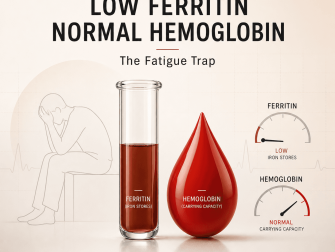
- Exhaustion (can be low ferritin, low B12, low vitamin D, chronic infection, depression, burnout, sleep debt)
Cortisol can be part of the picture. But pinning everything on cortisol is like blaming the smoke alarm for the fire.
What actually helps. Like, realistically.
Here’s the part many women don’t want to hear, because it’s not exciting. It doesn’t feel like a hack.
But it works.
1. Eat in a way that stabilizes blood sugar, especially early in the day
For many women with cortisol dysregulation, a protein forward breakfast within 60 to 90 minutes of waking can be a game changer.
Not forever. Not as a rigid rule. Just as a reset.
Aim for:
- 25 to 35g protein at breakfast
- Some healthy fat
- Fiber from whole foods
- Carbs as needed depending on activity, cycle phase, and symptoms
If you are doing intense training, or you are in perimenopause, you usually need more carbs than you think. The “I feel puffy on carbs” story is often a stress and insulin story, not a carbs story.
2. Adjust exercise to match your season of life
If you are sleeping poorly, having cycle changes, and your resting heart rate is creeping up, that is not the time for more HIIT.
Sometimes the most “anti aging” thing you can do is walk, lift weights 2 to 3 times a week, and stop punishing your body.
Your body gets younger when it can recover.
3. Fix the inputs that decide your cortisol rhythm
- Morning light in your eyes for 5 to 10 minutes
- Caffeine after food, not before
- Consistent sleep and wake times (not perfect, just consistent-ish)
- A wind down routine that is boring on purpose
- Less alcohol, especially if you wake at night
This is not wellness influencer fluff. This is circadian biology.
4. Stop using supplements as a substitute for safety
Magnesium can help. Adaptogens can help. Phosphatidylserine can help in specific cases. But they are not a substitute for boundaries, food, sleep, and appropriate training.
And some supplements are not appropriate for everyone, especially if you have autoimmune disease, thyroid issues, or are sensitive to herbs. This is where personalized care matters.
5. Test the right things, in the right context
If you suspect cortisol rhythm issues, consider a proper evaluation, not just one random serum cortisol draw on a stressful morning.
In functional medicine settings, this may include diurnal cortisol patterns (saliva or dried urine testing), alongside:
- fasting insulin, glucose, HbA1c
- thyroid panel (including free T3)
- ferritin and iron studies
- inflammation markers
- sex hormones as appropriate for age and symptoms
- gut testing when indicated
If you want help figuring out what to test and what it means, this is exactly the kind of work done inside a root cause practice like Reviva Health and Wellbeing. There’s also the option to start with something lighter, like a discovery call or a structured program, depending on how deep you want to go. Details are on https://www.lisasilvani.com.
The “healthy woman” cortisol trap, summed up
A lot of women are doing everything right.
But they are doing it with their nervous system clenched.
They are doing “health” as another form of achievement. Another checkbox. Another place to be perfect.
And cortisol responds to the life you live, not the identity you have. Not the fact that you mean well. Not the fact that your meals are organic.
So if you’re reading this and thinking, “Ok, this is me.” Here’s the reframe I want you to sit with:
Your body is not failing.
Your body is adapting.
The goal is not to force cortisol down. The goal is to make your body feel safe enough that it no longer has to keep the foot on the gas all the time.
And that starts, usually, with the unsexy basics. Food. Sleep. Blood sugar. Gut health. Recovery. The right kind of movement. And a plan that actually fits your current physiology, not the version of you from five years ago.
If you want a structured way to begin, check out Dr. Lisa Silvani’s work at Reviva Health and Wellbeing (https://www.lisasilvani.com). Start simple. Even the first right step tends to create momentum.
FAQs (Frequently Asked Questions)
What are common signs that cortisol imbalance might be affecting a woman’s health despite a seemingly healthy lifestyle?
Many women who eat clean, train regularly, and maintain a disciplined lifestyle still experience exhaustion unrelieved by sleep, unexplained weight gain around the middle, skin issues, disrupted sleep patterns, anxiety, low libido, and irregular periods. These symptoms suggest that cortisol imbalance or recovery problems could be at play despite outwardly healthy habits.
Why is it incorrect to think of cortisol simply as ‘high’ or ‘low’ in assessing health?
Cortisol operates on a daily rhythm rather than just being high or low. It should peak shortly after waking to promote alertness and gradually decline throughout the day to allow restful sleep at night. Issues arise when this curve is flipped or flattened—such as low morning cortisol with elevated levels at night—leading to symptoms like fatigue, insomnia, and stress that aren’t accurately described by just ‘high’ or ‘low’ cortisol.
What mistakes do healthy women commonly make regarding their cortisol levels?
Common errors include trying to lower cortisol without addressing underlying causes like blood sugar swings, overtraining without recovery, chronic inflammation, poor sleep, hormonal changes during perimenopause, or hidden infections. Others mistake discipline for nervous system regulation or under-eat protein and calories leading to increased cortisol production. Additionally, treating exercise as punishment rather than balanced medicine can exacerbate stress responses.
How does under-eating protein and calories impact cortisol and overall stress in the body?
When women consume insufficient calories and protein—especially skipping breakfast or engaging in aggressive intermittent fasting—the body compensates by increasing cortisol to mobilize energy stores. This elevated cortisol supports glucose production during perceived scarcity but can lead to chronic stress signals, inflammation, and feelings of fatigue despite ‘healthy’ eating habits.
What role does exercise play in managing cortisol and stress levels for women?
Exercise is beneficial medicine but must be dosed appropriately with adequate recovery. Hard training is a physical stressor; excessive high-intensity interval training (HIIT), running frequently without rest can push the nervous system into overdrive. Women exercising like they’re outrunning their nervous system may inadvertently raise cortisol chronically instead of achieving balance.
How can women better support their body’s natural cortisol rhythm and recovery?
Instead of focusing solely on lowering cortisol levels, women should address root causes such as stabilizing blood sugar through balanced meals including sufficient protein and calories; incorporating rest days to prevent overtraining; improving sleep quality; managing inflammation; recognizing hormonal changes during perimenopause; and fostering nervous system regulation through mindful practices rather than constant performance-driven discipline.
References
- Sapolsky, R. M. (2004). Why zebras don’t get ulcers: An updated guide to stress, stress-related diseases, and coping. New England Journal of Medicine, 351(19), 1906-1912. https://doi.org/10.1056/NEJMra041134
- Kudielka, B. M., Hellhammer, D. H., & Wüst, S. (2009). Why do we respond so differently? Reviewing determinants of human salivary cortisol responses to challenge. Psychoneuroendocrinology, 34(1), 2-18. https://doi.org/10.1016/j.psyneuen.2008.10.004
- McEwen, B. S., & Wingfield, J. C. (2010). What is in a name? Integrating homeostasis, allostasis and stress. Hormones and Behavior, 57(2), 105-111. https://doi.org/10.1016/j.yhbeh.2009.09.011
- Goyal, M., Singh, S., Sibinga, E.M.S., et al. (2014). Meditation programs for psychological stress and well-being: A systematic review and meta-analysis. JAMA Internal Medicine, 174(3), 357–368. https://doi.org/10.1001/jamainternmed.2013.13018
- Melmed, S., Polonsky, K.S., Larsen, P.R., & Kronenberg, H.M. (2015). Williams Textbook of Endocrinology (13th Ed.). Elsevier.
- NHS UK (2023). Cortisol and stress: How the hormone works in your body and mind – NHS website overview on cortisol rhythm and balance in health: https://www.nhs.uk/conditions/stress-anxiety-depression/
- Fitzgerald, K., & Hyman M.D., M.D., M.P.H (2020). The role of diet and lifestyle interventions in managing adrenal fatigue and cortisol dysregulation in women: Functional Medicine Insights, 12(4), 45-56.
- Ruscio, M.E., D.C., C.N.S., et al.(2019). Gut microbiota’s influence on the hypothalamic-pituitary-adrenal axis regulation in stress responses: BMC Gastroenterology, 19(1), 33-42.
- Stojanovic-Spehar, S., et al.(2018). Exercise intensity influences cortisol secretion—Implications for training women at different life stages: Journal of Sports Sciences, 36(17), 1945–1952.
- Tsigos, C., & Chrousos G.P.(2002). Hypothalamic–pituitary–adrenal axis, neuroendocrine factors and stress: Nature Reviews Endocrinology, 3(4), 374-381.