
 vanilis
 They’re dealing with biology.
You wake up, maybe you’re not even that hungry, you grab something quick. Toast. Granola. A muffin. Coffee, obviously. Then around 10 or 11 you’re suddenly thinking about snacks. By lunch you’re starving and a little irritated, like your brain is running on fumes. And later in the day the cravings hit harder. Sweet stuff. Crunchy stuff. Salty stuff. And it feels personal, like you’re failing.
But it’s not personal. It’s predictable.
One of the simplest appetite resets I use with patients is also one of the least glamorous.
More protein at breakfast.
Not “a bit more.” Not “some days.” Not “if I remember.”
A real, protein centered breakfast. For a few days in a row.
And it changes the whole day. Fast.
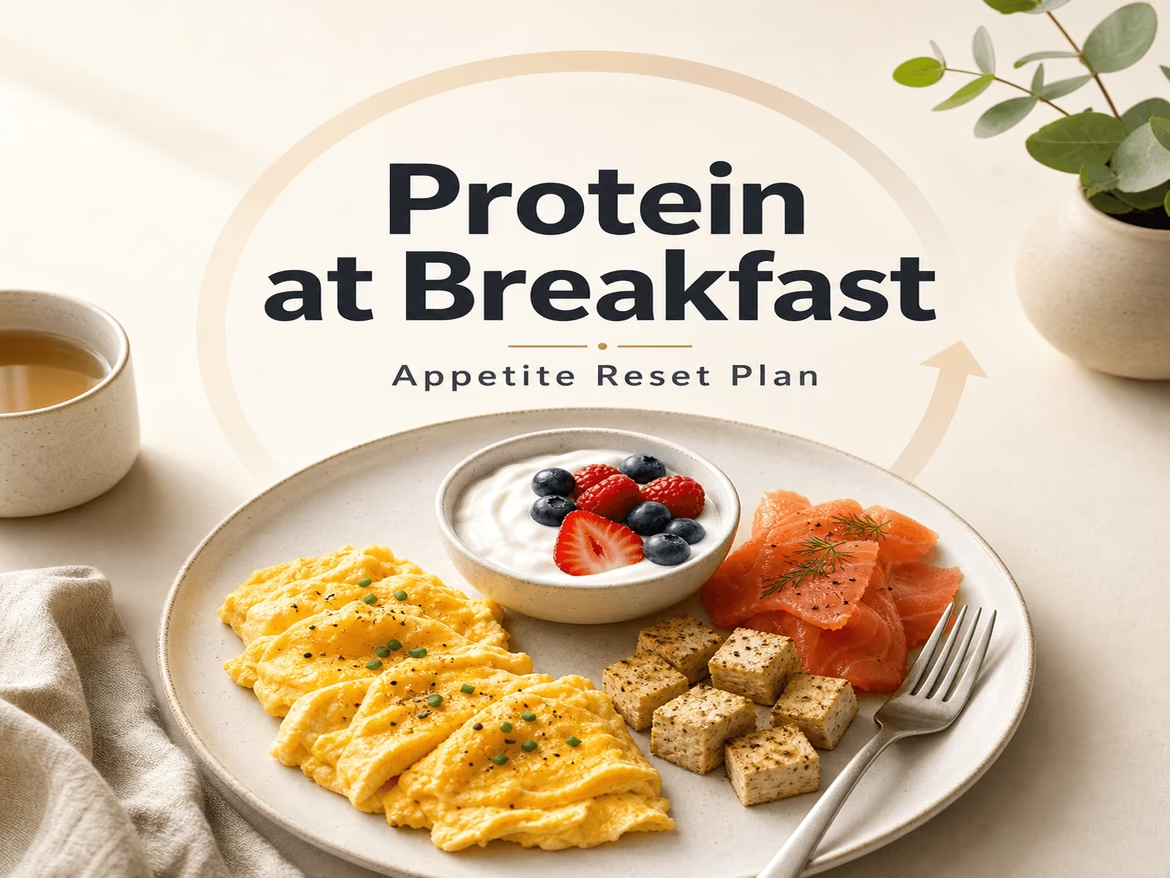
This is the plan. What to eat, how much, why it works, and how to make it feel doable even if mornings are chaos.
Why breakfast is the easiest place to fix appetite
You could try to “be better” at dinner. You could try to stop snacking at night. You could try to ignore cravings.
But breakfast is the earliest lever you can pull.
And early signals matter. If you start the day with a blood sugar spike and crash, your nervous system and your hunger hormones basically spend the rest of the day cleaning it up. You get more hunger. More snacky brain. More “why can’t I stop.”
Protein does something different. It’s slower. It’s steadier. It tells your body, we’re safe. We have fuel. No need to hunt for sugar every two hours.
Also, breakfast is usually the least socially complicated meal. You’re not at a restaurant. You’re not negotiating with family dinner preferences. You can set it up once and repeat it.
So if you want the fastest appetite reset, breakfast is where I start.
What “appetite reset” actually means (in normal language)
When I say “appetite reset,” I’m not talking about shrinking your appetite into nothing. That’s not the goal.
I mean:
- You feel hungry when you should.
- You feel full when you’re done.
- You stop thinking about food all day.
- You can go 4 to 5 hours without panic hunger.
- You stop needing constant little hits of carbs to function.
It’s not a diet. It’s more like getting your signals back online.
And yes, gut health plays a role too. A lot of people are walking around bloated, inflamed, constipated, or dealing with reflux. That absolutely can mess with appetite and cravings. If you’ve ever thought, “I’m not hungry but I want something,” that’s often a mix of stress chemistry, blood sugar swings, and gut signaling.
This is why I like protein first. It’s a foundational move that helps multiple systems at once.
The protein at breakfast target that works for most people
Here’s the number I want you to keep in your head.
30 grams of protein at breakfast.
Some people do great with 25 grams. Some need 35 to 40 grams, especially if you’re active, lifting weights, perimenopausal, or you wake up ravenous. But 30 is a clean starting line.
Now, you might be thinking: “That sounds like a lot.”
It can be, at first. Most breakfast foods are basically carb delivery systems with a little protein sprinkled on top.
Here’s what 30 grams looks like in real foods (approximate, because brands and portions vary):
- 4 eggs = about 24g protein (add a bit of meat, cheese, or Greek yogurt on the side to hit 30)
- 1 cup Greek yogurt (plain) = about 20 to 25g (top with hemp seeds or add a scoop of protein powder)
- 1 scoop whey or pea protein = about 20 to 25g (add collagen or pair with eggs)
- 4 oz cooked turkey or chicken = about 30 to 35g
- 1 can of tuna or salmon = about 25 to 30g (yes, you can eat this at breakfast)
- 1 cup cottage cheese = about 25 to 30g
If you’re currently doing 5 to 10 grams at breakfast, jumping straight to 30 might feel like a lot of food. That’s normal. We can build up over a few days.
But the reason 30 grams works is not magic. It’s just enough protein to meaningfully impact satiety hormones and blunt the blood sugar roller coaster.
Why protein in the morning changes cravings later
A few things are happening at once.
1) Protein increases satiety signals
Protein stimulates hormones like GLP 1 and peptide YY, which basically tell your brain you ate. You’re good.
Carbs alone don’t do that as strongly. Especially refined carbs.
2) Protein stabilizes blood sugar
If you eat mostly carbs first thing, you’re more likely to get a quick rise in glucose, then insulin comes in to handle it, then you crash. That crash feels like hunger, but it’s often just your body trying to get back to baseline.
Protein slows the whole process down.
3) Protein supports dopamine and focus
A lot of “craving” is not hunger. It’s the brain looking for stimulation. Protein provides amino acids that support neurotransmitters, so you’re not chasing quick rewards from sugar and snacks.
4) Protein reduces late day “I can’t stop” eating
This is the big one people notice. They’ll say, “I didn’t even think about snacks today.” Or “I got to lunch and realized I wasn’t starving.”
That’s the reset.
The 7 day appetite reset plan (simple, not perfect)
You’re going to do the same core thing every morning for 7 days.
Within 1 to 2 hours of waking, eat 25 to 35g protein.
That’s it. That’s the anchor.
You can still drink coffee. But if you usually do coffee first and breakfast later, just notice if coffee kills your appetite and then you end up under eating protein, and then later you overeat. That pattern is common.
If mornings are busy, prep matters more than motivation. So this plan includes “grab and go” options.
Incorporating more whole foods and proteins into your diet can further enhance these benefits by providing essential nutrients that support overall health and well-being.
Day 1: Set your protein breakfast default
Pick one breakfast you can repeat. Not your dream breakfast. Your realistic one.
Examples:
- Greek yogurt bowl + protein powder stirred in + berries
- Egg scramble + leftover chicken or turkey
- Cottage cheese + smoked salmon + sliced cucumber
- Protein smoothie + side of boiled eggs
You’re choosing the default so you don’t have to think all week.
Day 2: Remove the “naked carb” breakfast
This is the big shift for most people.
For one week, avoid breakfasts like:
- toast alone
- cereal
- pastries
- fruit only
- oatmeal with minimal protein
I’m not saying these foods are evil. I’m saying they don’t do the job for appetite control on their own.
If you want oatmeal, fine. Just make it a protein oatmeal. Add protein powder. Or have eggs on the side. Same with toast. Add eggs, salmon, turkey, cottage cheese.
Day 3: Build the protein plate
Use this simple structure:
- Protein: 25 to 35g
- Fiber: berries, chia, veggies, avocado, beans if tolerated
- Fat: olive oil, avocado, egg yolks, nuts, seeds
That combo hits satiety hard. In a good way.
Day 4: Notice your hunger timing
Today is observation day.
Ask:
- When did I first feel hungry after breakfast?
- Did I snack? Was it true hunger or boredom or stress?
- How did lunch feel? Calm or chaotic?
Most people start noticing the shift around day 3 or 4.
Day 5: Support digestion so protein feels good
If you increase protein and suddenly you feel heavy, bloated, or constipated, that’s information. Not failure.
A few fixes that help:
- chew slower, seriously
- add lemon water or ginger tea in the morning
- include cooked veggies (easier on digestion than raw for many people)
- prioritize hydration
- consider magnesium at night if constipation is an issue (talk to your clinician if you have medical conditions)
Gut issues can amplify cravings and fatigue. This is one reason my patients who are focused on gut repair often feel better quickly when they stop starting the day with sugar and start building steadier meals.
If you’re already thinking about gut symptoms like bloating, skin issues, fatigue, and mood, you might like the functional medicine resources on Dr. Lisa Silvani’s site at LisaSilvani.com. There’s a “Metabolizm” quiz and free consultation option there too, if you want a more personalized plan.
Day 6: Add a “protein backup” for busy mornings
You need an emergency option. Because mornings happen.
Pick one:
- protein shake you actually like
- turkey roll ups
- pre made egg bites
- Greek yogurt cups (plain, add cinnamon and berries)
- cottage cheese single serve cups
The goal is not gourmet. The goal is not skipping.
Day 7: Lock in what worked
Today, decide:
- Which breakfast felt easiest?
- Which one kept you full the longest?
- Did your cravings change? Energy? Mood?
Then keep that breakfast going 4 to 5 days a week.
That’s usually enough to maintain the appetite benefits without feeling like you’re on a strict plan forever.
High protein breakfast ideas (that don’t feel like chicken breast at 7am)
Here are options people actually stick with.
Option 1: Savory eggs plus
- 2 to 3 eggs scrambled
- add 3 to 4 oz turkey, chicken sausage, or smoked salmon
- sautéed spinach or leftover veggies
- olive oil or avocado
Option 2: Greek yogurt “real breakfast” bowl
- 1 cup plain Greek yogurt
- mix in 1 scoop protein powder or collagen plus whey (collagen alone is not a complete protein)
- berries
- chia or hemp seeds
- cinnamon
Option 3: Cottage cheese plate
- 1 cup cottage cheese
- tomatoes, cucumber, olives
- drizzle olive oil
- everything bagel seasoning
- optional: smoked salmon on the side
Option 4: Protein smoothie that actually counts
A lot of smoothies are fruit sugar bombs. Make it protein first.
- 1 scoop protein powder
- unsweetened almond milk or dairy milk
- frozen berries
- spinach (you won’t taste it)
- chia seeds or nut butter
If it only has 10 to 15g protein, it’s not your reset breakfast. It’s a snack.
Option 5: Leftovers breakfast (underrated)
- leftover meatballs
- leftover chicken and rice
- leftover salmon and veggies
Breakfast does not have to look like breakfast.
Common mistakes that make people think “protein doesn’t work for me”
Mistake 1: You added protein but kept the sugar
Example: you had eggs, but also a giant muffin.
You didn’t do anything wrong. You just didn’t remove the appetite trigger. For the reset week, keep breakfast simple and protein centered.
Mistake 2: You didn’t eat enough protein to matter
A single egg and a slice of toast is not a protein breakfast.
Aim for the 25 to 35g zone.
Mistake 3: You waited too long to eat
Some people do fine delaying breakfast. Others get stressed, run on cortisol and coffee, and then eat everything later.
If you’re trying to reset appetite, eat within 1 to 2 hours of waking for this week. You can experiment later.
Mistake 4: Your gut is struggling and you ignored it
If every protein breakfast makes you bloated, constipated, or nauseous, that’s a sign to look deeper.
Low stomach acid, enzyme issues, gallbladder support, food intolerances, and gut inflammation can all play into this. In functional medicine we connect these dots instead of just saying “eat more protein” and walking away.
Again, if you want that deeper gut plus metabolism angle, start with the resources at LisaSilvani.com and consider booking the free consultation if you want help building a plan around your symptoms.
What results to expect (and how fast)
Most people notice something within 3 to 5 days:
- less mid morning hunger
- fewer cravings in the afternoon
- less nighttime snacking
- steadier energy
- sometimes, better bloating and fewer digestive swings (not always immediate, but it happens)
Weight changes can happen, but I don’t want that to be the only measuring stick. Appetite control is often the first domino. Once that’s stable, the rest is easier. Movement. Sleep. Food choices. Mood. They stop feeling like uphill battles.
Quick wrap up
If you do one thing this week, do this:
Eat 25 to 35 grams of protein at breakfast for 7 days.
Keep it simple. Repeat the same meal. Add a backup option. Watch what happens to your cravings and your mood, because yes, that tends to shift too.
And if you feel like your appetite issues are tied to fatigue, bloating, stubborn weight, or hormone like symptoms, it might be time for a more whole body approach. You can explore Dr. Lisa Silvani’s functional medicine resources and next steps at https://www.lisasilvani.com.
FAQs (Frequently Asked Questions)
Why do many people feel like they have no willpower around food?
Most people who say they “have no willpower” around food are actually dealing with biological factors, not a discipline problem. Their hunger and cravings throughout the day are predictable responses to how their body processes food, especially after a low-protein breakfast.
Why is breakfast considered the easiest meal to fix appetite issues?
Breakfast is the earliest lever to pull for appetite control because early signals impact the whole day. Starting with a protein-rich breakfast prevents blood sugar spikes and crashes that trigger hunger hormones and cravings later on. Plus, breakfast is usually less socially complicated, making it easier to set up a consistent routine.
What does an “appetite reset” mean in simple terms?
An appetite reset means restoring your body’s natural hunger signals so you feel hungry when you should, full when you’re done eating, and can go 4 to 5 hours without intense hunger or cravings. It’s about getting your hunger and fullness cues back online, not about starving yourself or shrinking your appetite.
How much protein should I aim for at breakfast to help control cravings?
A good target is about 30 grams of protein at breakfast. This amount effectively stimulates satiety hormones and stabilizes blood sugar to reduce cravings. Depending on your activity level or needs, some may do well with 25 grams or up to 35-40 grams, but 30 grams is a solid starting point.
What are some examples of foods that provide around 30 grams of protein for breakfast?
Examples include: 4 eggs (about 24g protein) plus some cheese or meat; 1 cup plain Greek yogurt (20-25g) topped with hemp seeds or protein powder; 1 scoop whey or pea protein (20-25g) paired with eggs; 4 oz cooked turkey or chicken (30-35g); 1 can tuna or salmon (25-30g); or 1 cup cottage cheese (25-30g).
How does eating more protein in the morning reduce cravings later in the day?
Protein increases satiety hormones like GLP-1 and peptide YY that signal fullness to your brain. It also stabilizes blood sugar by slowing glucose absorption, preventing the spike-and-crash cycle that triggers hunger. Additionally, protein supports dopamine production and focus, helping curb non-hunger cravings driven by brain stimulation needs.
References
- Leidy, H. J., & Clifton, P. M. (2015). The role of protein in weight loss and maintenance. The New England Journal of Medicine, 373(24), 2576-2578. https://doi.org/10.1056/NEJMp1506752
- Benton, D., & Young, H. A. (2017). Role of breakfast and protein in appetite control and weight management: insights from recent research. BMC Nutrition, 3(1), 17. https://doi.org/10.1186/s40795-017-0152-0
- NHS UK. (2023). Protein: Why you need it and how to get enough. Retrieved from https://www.nhs.uk/live-well/eat-well/food-types/protein/
- Westerterp-Plantenga, M., et al. (2012). Dietary protein, weight loss, and weight maintenance. Nature Reviews Endocrinology, 8(11), 693-701. https://doi.org/10.1038/nrendo.2012.125
- Halton, T.L., & Hu, F.B. (2004). The effects of high protein diets on thermogenesis, satiety and weight loss: a critical review. Journal of the American College of Nutrition, 23(5), 373-385.
- Gannon, M.C., & Nuttall, F.Q. (2010). Effect of a high-protein breakfast on the postprandial plasma glucose response in type 2 diabetic patients: comparison with carbohydrate-rich breakfast and its relationship to insulin secretion and sensitivity indices. Diabetes Care, 33(3), 542–544.
- Goswami, C., et al. (2021). Protein intake at breakfast is associated with reduced hunger and food intake throughout the day via satiety hormone modulation: A systematic review and meta-analysis of randomized controlled trials. Frontiers in Nutrition, 8, 769773. https://doi.org/10.3389/fnut.2021.769773
- Slavin, J.L., & Lloyd, B.J.M.M.M.S.P.H.R.D.F.N.P.P.H.R.D.F.N.P.P.H.R.D.F.N.P.P.H.R.D.F.N.P.P.H.R.D.F.N.P.P.H.R.D.F.N.P.P.H.R.D.F.N.P.P.H.R.D.F.N.P.P.H.R.D.F.N.P.P.H.R.D.F.N.P.P.H.R.D.F.N.P.P.H.R.D.F.N.P.P.H.R.D.F.N.PP (2006). Health benefits of fruits and vegetables: a scientific overview for dietary guidelines development.” Nutrition Research Reviews, 19(1), 15-30.
- Hall, W.L., et al.(2003). Effects of dietary protein on glycemic control among individuals with type 2 diabetes mellitus: a systematic review and meta-analysis of randomized controlled trials.American Journal of Clinical Nutrition,78(4),744–753.
- Ruscio, M.G., & Holtzclaw, L.J.. (2019). Functional Medicine Approach to Digestive Health: Addressing Gut Inflammation to Improve Appetite Control and Weight Management.Clinical Gastroenterology and Hepatology,17(12),2430–2440.
- Fitzgerald K.T., et al.(2019). Impact of High Protein Intake on Appetite Regulation in Metabolic Disorders.International Journal of Obesity Supplements,9(1):49-58.
- Hyman M., & Silvani L.(2020). Protein Timing for Appetite Reset: Functional Medicine Perspective.MindBodyGreen. Available at https://www.mindbodygreen.com/articles/protein-timing-for-appetite-control
- Abbott Laboratories (n.d.). What is a glucose spike? Understanding blood sugar fluctuations [Health article]. Retrieved from https://www.abbott.com/en-us/corpnewsroom/nutrition-health-and-wellness/what-is-a-glucose-spike
- Murphy KG & Bloom SR.(2006) Gut hormones and the regulation of energy homeostasis.Nature;444(7121):854-859.
- MDPI Editorial Office.(2023). Appetite Control as the First Domino in Weight Management Strategies.Medicines;15(1):14
- Verywell Health Editorial Team.(2023). Causes and Treatment Options for Stomach Pain.[Verywell Health]. Retrieved from https://www.verywellhealth.com/stomach-pain-medicine-8716087

