
 vanilis
 Not because the gut is trendy. More because the gut is one of the biggest “inputs” into your energy system.
Your mitochondria need raw materials (B vitamins, iron handling, amino acids, fatty acids). They need inflammation to be low enough to do their job. They need your nervous system to feel safe enough to stay out of fight or flight all day. And they need your detox and immune load to be reasonable. A lot of those conditions are influenced by what is happening in the digestive tract.
Stool testing is not a magic crystal ball. It does not “diagnose fatigue”. But it can show patterns that line up, again and again, with people who report low energy, brain fog, poor recovery, and that heavy wired but tired feeling.
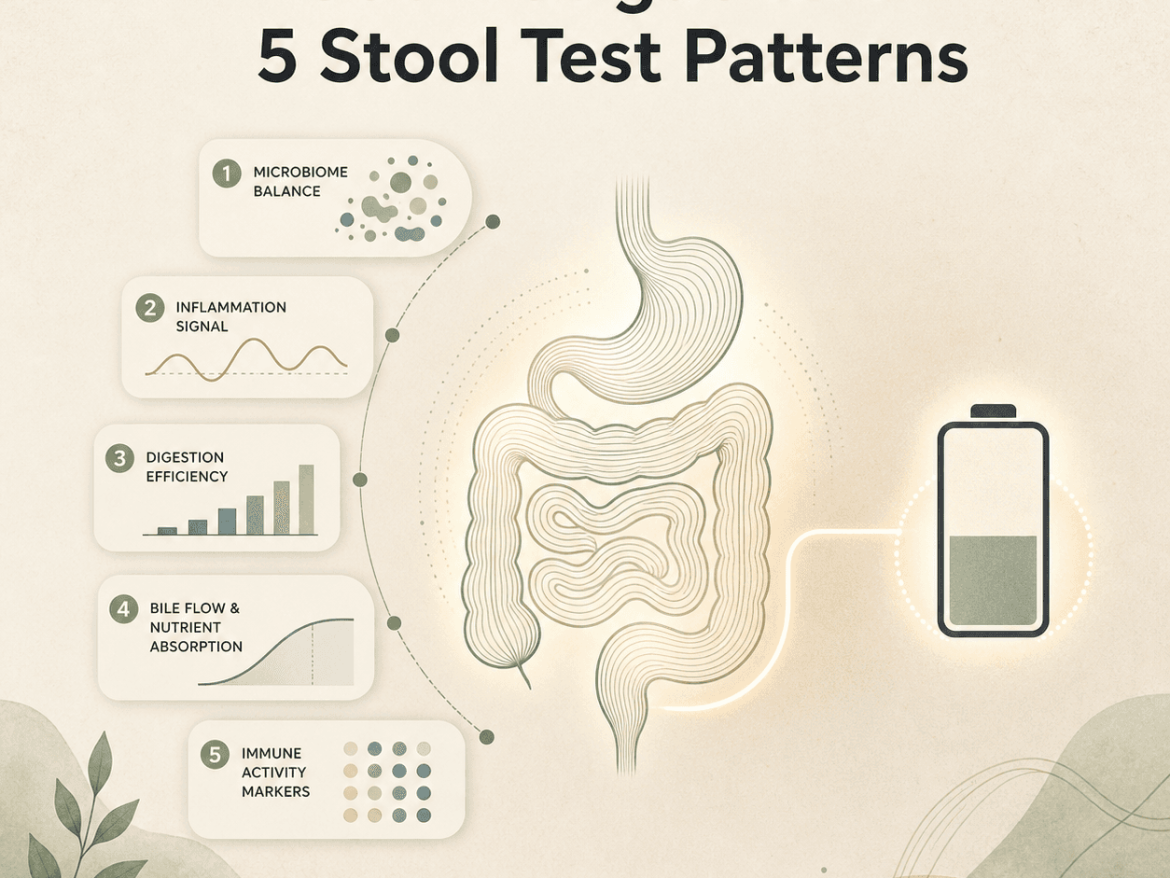
Below are five patterns I commonly see discussed in comprehensive stool testing, and how each one can connect to fatigue. Not as a scare list. More like a map.
Quick note: this is educational, not medical advice. Stool test interpretation depends on your symptoms, diet, meds, travel, and the specific lab methodology. Always work with a qualified clinician for diagnosis and treatment.
Why stool testing can matter for energy
Fatigue is rarely a single thing. It is usually an energy supply issue plus an energy demand issue.
- Supply problems: poor digestion and absorption, nutrient depletion, low stomach acid, pancreatic insufficiency, bile issues, dysbiosis, chronic inflammation.
- Demand problems: immune activation, infections, toxin exposure, stress hormones, poor sleep, blood sugar swings, inflammation.
The gut can contribute to both. If your digestion is inefficient, you can eat the “perfect diet” and still not absorb what your mitochondria need. If your gut immune system is activated, you can burn through energy just running inflammation in the background.
So when a stool test shows certain patterns, it can help you connect dots you might not have connected before.
If you have not yet, Dr. Lisa Silvani has a helpful way of framing this whole topic through a root cause and mitochondria centered lens on her site, Reviva Health and Wellbeing. Her “Fatigue Root Cause” quiz is a simple starting point if you want to organize your symptoms before you go down the testing rabbit hole: https://lisasilvani.com/
Now, the five patterns.
Pattern 1: Signs of poor digestion and malabsorption
This is the least glamorous pattern. Also the most common.
On a comprehensive stool test, digestion and absorption markers can include things like:
- Pancreatic elastase (a marker of pancreatic enzyme output)
- Fecal fat markers (sometimes reported as “steatocrit” or fat staining)
- Muscle fibers, vegetable fibers, carbohydrate residues (depends on the lab)
- Bile acid related markers (some tests infer this indirectly)
- Stool pH (can hint at fermentation patterns)
How this links to fatigue
If you are not breaking down food well, you can end up under fueled at the cellular level even if you are eating enough calories.
A few common fatigue connections:
1) Low pancreatic elastase and “food that does not become fuel.”
If elastase is low, it can suggest reduced pancreatic enzyme activity. That can mean less efficient breakdown of proteins and fats. Protein in particular matters for neurotransmitters, detox pathways, and muscle repair. Fat matters for hormones, cell membranes, and stable energy.
People often describe this as: “I eat, but I do not feel nourished.”
2) Fat malabsorption and the fat soluble vitamins.
If fat digestion is impaired, absorption of vitamins A, D, E, and K can suffer. Vitamin D status is not the whole fatigue story, but when it is low, immune balance and muscle function can take a hit. Same with vitamin A and gut immune integrity. These are not quick fixes, but they are real levers.
3) Iron and B vitamin ripple effects.
Poor digestion can contribute to low iron absorption and low B vitamins. Even if your blood work is within range, you can still have “functional” issues. B12, folate, B6, riboflavin, thiamine. Those are all involved in energy pathways.
What to consider (with a clinician)
This is not a “take enzymes forever” pitch. But common starting points can include:
- Chewing and meal timing, slowing down, not eating in stress mode
- Reviewing medications that affect digestion (acid blockers, long term antacids, some diabetes meds, etc.)
- Targeted digestive support when appropriate (bitters, enzymes, bile support)
- Looking upstream at why digestion is low (stress physiology, thyroid signaling, gallbladder issues)
And yes, sometimes the fix is boring. Regular meals. Enough protein. Enough time. It counts.
Pattern 2: Inflammation and immune activation in the gut
Most comprehensive stool tests include inflammatory markers. The big names you might see:
- Calprotectin (neutrophil driven inflammation)
- Lactoferrin (another inflammation marker)
- Secretory IgA (mucosal immune activity)
- Eosinophil protein X or similar markers (on some tests)
- Occult blood (screening marker, not specific)
How this links to fatigue
Inflammation is expensive. Your immune system is one of the highest energy demanding systems in the body. When it is on, your body diverts resources. That can look like fatigue, even if everything else is “fine”.
Some common scenarios:
1) Elevated calprotectin or lactoferrin.
This does not automatically mean inflammatory bowel disease. But it is a flag that something inflammatory is happening and needs proper medical evaluation. If inflammation is ongoing, fatigue is a common symptom.
2) Low or very high secretory IgA.
Secretory IgA is interesting because both extremes can show up in fatigue cases.
- Low sIgA can reflect depleted mucosal immunity, sometimes seen with chronic stress, overtraining, or long term inflammation. People feel run down, get sick easily, and often have food sensitivities.
- High sIgA can reflect the immune system being on high alert. Constant “patrolling” costs energy.
3) The cytokine effect.
When the immune system is activated, inflammatory cytokines can affect brain function, sleep architecture, and motivation. This is that flu like fatigue without the flu. Not dramatic, just persistent.
What to consider (with a clinician)
- If markers are clearly elevated, rule out serious pathology first.
- Identify triggers. Infections, dysbiosis, food reactions, NSAID use, alcohol, high ultra processed diets, chronic stress.
- Support the gut barrier and mucosa. Often this is diet plus targeted nutrients, but it needs to be individualized.
One important point. If you only chase microbes without addressing inflammation drivers, you can end up in supplement whack a mole.
Pattern 3: Dysbiosis patterns that favor fatigue (low diversity, imbalance, “too much fermentation”)
“Dysbiosis” is a broad word. It can mean low beneficial bacteria, overgrowth of opportunists, reduced diversity, or shifts in metabolic output.
Depending on the lab, you might see:
- Diversity indices, commensal vs opportunistic ratios
- Overgrowth of certain organisms (Klebsiella, Citrobacter, Enterobacter, etc.)
- Low levels of beneficial groups (Bifidobacterium, Lactobacillus, Akkermansia, Faecalibacterium prausnitzii)
- Short chain fatty acid data (especially butyrate)
- Stool pH and gas producing signatures
How this links to fatigue
Not all dysbiosis causes fatigue. But certain patterns show up often in people who feel wiped out.
1) Low butyrate producers.
Butyrate is a short chain fatty acid that supports the colon lining, regulates inflammation, and influences insulin sensitivity and mitochondrial function indirectly through signaling pathways. When butyrate producing bacteria are low, people can have more gut permeability, more inflammation, and more reactivity. Which can look like fatigue plus food sensitivity plus mood changes.
2) Excess fermentation and “brain fog after meals.”
Some people report that they crash after eating, or they get foggy, or they feel puffy and exhausted. A stool test can sometimes hint at carbohydrate fermentation patterns, though breath testing is often more direct for SIBO.
Still, if the stool profile shows a microbiome that leans heavily toward fermentation with low resilience, and the symptoms match, it is a clue.
3) Histamine and biogenic amine issues (sometimes).
Some dysbiosis patterns can contribute to higher histamine load. That can affect sleep quality, anxiety, and headaches. Poor sleep alone can drive fatigue, but histamine driven sleep disturbance has a particular flavor. Wired at night, tired in the morning.
What to consider (with a clinician)
- Do not jump straight to heavy probiotics if you react to everything. Sometimes you need to calm inflammation first.
- Food quality and fiber diversity often matters more than any single supplement. But it needs to be paced. If you have significant bloating, you may need a strategic approach.
- Consider stool test results alongside symptoms and sometimes breath testing, depending on the picture.
A stable microbiome is built, not blasted into existence.
Pattern 4: Potential pathogen, parasite, or overgrowth signals
This is the part people fixate on. The “Did I find the culprit” part.
Stool tests may report:
- Bacterial pathogens (Campylobacter, Salmonella, Shigella, certain E. coli strains) depending on the panel
- Parasites (Giardia, Entamoeba histolytica, Cryptosporidium, etc.)
- Opportunistic organisms (Blastocystis species, Dientamoeba fragilis, yeast markers)
Two important notes here:
- Detection does not always equal disease. Some organisms can be present without symptoms, and some test methods pick up DNA fragments that do not reflect an active infection.
- If a true pathogen is found, it needs appropriate medical evaluation and treatment. Do not self treat based on a PDF.
How this links to fatigue
Chronic immune activation is the obvious connection, but there are a few specific ways infections can drain energy:
1) Nutrient theft and malabsorption.
Giardia is a classic example. It can affect fat absorption and trigger long lasting gut issues even after it is gone. People can feel depleted, lose weight, or swing toward food intolerance.
2) Post infectious gut dysfunction.
After a gastrointestinal infection, some people develop IBS type symptoms, altered motility, and dysbiosis. Even if the acute infection resolved, the gut may not return to baseline. Ongoing symptoms can include poor sleep, anxiety, and fatigue.
3) Endotoxin load.
Certain bacterial overgrowth patterns can increase endotoxin exposure (lipopolysaccharides). This can drive systemic inflammation. Again, inflammation is expensive.
What to consider (with a clinician)
- Confirm results and treat appropriately. Sometimes that is antimicrobial therapy. Sometimes it is supportive care plus time. Sometimes it is both.
- After treatment, rebuild. Not just with probiotics. With diet, sleep, stress physiology, and gut lining support.
If you feel like you are stuck in a loop of “kill, feel worse, kill again,” that is usually a sign to zoom out and re assess the terrain.
Pattern 5: Gut barrier and detox load clues (and why fatigue shows up first)
Some stool tests include markers that are interpreted as gut barrier integrity or metabolic strain. Examples vary by lab, but you might see references to:
- Zonulin (controversial and method dependent, but often included)
- Beta glucuronidase (involved in deconjugation processes in the gut)
- Indicators of putrefaction vs fermentation (protein breakdown byproducts, sometimes inferred)
- Yeast overgrowth markers and inflammatory yeast metabolites (lab dependent)
This category can feel fuzzy. But the clinical pattern is not fuzzy at all. People feel tired first.
How this links to fatigue
1) Increased permeability and immune vigilance.
If the gut barrier is compromised, more antigens can interact with the immune system. That does not always mean dramatic autoimmune disease. It can look like low grade inflammation, food sensitivity, skin flares, joint aches, and fatigue that comes and goes.
2) Beta glucuronidase and the “recycling” issue.
Beta glucuronidase is an enzyme produced by certain gut bacteria that can deconjugate compounds in the gut. Clinicians often discuss it in relation to hormone metabolism and detoxification processes. When it is high, it can suggest that compounds the body packaged for elimination may be reactivated in the gut. For some people, that can contribute to hormonal symptoms, headaches, and sluggishness. And yes, fatigue.
This is not a standalone diagnosis. But it can be part of the bigger picture, especially when paired with constipation or sluggish elimination.
3) Constipation as an energy drain.
This sounds simplistic, but it matters. If you are not eliminating well, you can feel heavy, foggy, and tired. Many people normalize constipation. Stool testing plus symptom tracking can make it harder to ignore.
What to consider (with a clinician)
- Regular elimination is foundational. Hydration, magnesium, fiber, motility support, meal timing, movement.
- Support gut lining. Often this is diet, glutamine or other gut supportive nutrients, but it is individualized.
- If hormone symptoms are prominent, consider pairing gut work with broader endocrine evaluation.
Sometimes fatigue improves simply because the body is no longer dealing with a constant internal mess.
Putting it together: how to read patterns without spiraling
Here is the tricky truth. Most people do not have just one pattern. They have a stack.
A very common fatigue stack looks like:
- Low digestive capacity
- Dysbiosis with low butyrate support
- Mild immune activation
- Poor motility and inconsistent elimination
And then on top of that, life stress. Blood sugar swings. Sleep disruption. Maybe perimenopause. Maybe overtraining. Maybe long term under eating.
So, if you do stool testing, look for themes. Not villains.
A simple way to connect stool results to fatigue symptoms
Try mapping your symptoms to these buckets:
- After meals: crash, fog, bloating, sleepiness, heart palpitations
- Immune: frequent colds, sore throat cycles, swollen glands, seasonal flares
- Inflammation: joint aches, headaches, skin issues
- Nutrient: brittle nails, hair shedding, restless legs, poor exercise recovery
- Motility: constipation, incomplete emptying, diarrhea, alternating stools
- Sleep: wired at night, waking at 3am, unrefreshed sleep
When a stool test result lines up with a bucket, it becomes actionable. When it does not, it might be noise, or it might be secondary.
What you can do next (without buying a cart full of supplements)
If you are exploring the gut fatigue connection, a reasonable next step is:
- Clarify your fatigue type. Is it sleepiness, burnout, post exertional malaise, brain fog, low motivation, muscle fatigue, or “wired but tired”? They are not the same.
- Track stool patterns for a week. Frequency, consistency, urgency, pain, undigested food, mucus. Most people do not. It is revealing.
- If you do test, test with intent. Choose a test that matches your symptoms and your clinician’s approach. Then have a plan for interpretation before you run it.
- Address basics while you wait. Chewing, regular meals, protein, hydration, light exposure in the morning, gentle movement, consistent sleep window.
And if you want a structured way to think about root causes through an energy and mitochondria lens, Reviva Health and Wellbeing has solid resources that are actually readable. The “Fatigue Root Cause” quiz is a good place to start if you are overwhelmed and want a clear first step: https://lisasilvani.com/
Final thoughts
Stool testing can be a useful flashlight. It can show you where digestion is inefficient, where inflammation is simmering, where the microbiome is struggling, and where immune load may be stealing energy.
But it is still just a flashlight. The real shift happens when you connect the patterns to your lived symptoms and then build a plan that supports energy production, not just microbe management.
If fatigue has been stubborn for you, the gut is worth looking at. Not because everything is in the gut. But because a surprising amount of fatigue becomes more logical once you do.
FAQs (Frequently Asked Questions)
Why might I feel fatigued even if I get enough sleep, eat well, and have normal lab results?
Fatigue that doesn’t match your lifestyle or lab results may be linked to gut health. The gut significantly influences your energy system by affecting nutrient absorption, inflammation levels, nervous system balance, and detoxification load. Even with good sleep and diet, issues like poor digestion or gut inflammation can prevent your mitochondria from getting the raw materials they need, leading to persistent fatigue.
How can stool testing help in understanding unexplained fatigue?
Comprehensive stool testing can reveal patterns related to digestion efficiency, inflammation, immune activation, and microbial balance in the gut. While it doesn’t diagnose fatigue directly, it helps identify underlying gut issues like malabsorption or chronic inflammation that contribute to low energy, brain fog, and poor recovery. This information can guide targeted interventions with a qualified clinician.
What are common signs of poor digestion on a stool test that relate to fatigue?
Markers such as low pancreatic elastase indicating reduced enzyme output, presence of undigested muscle or vegetable fibers, elevated fecal fat (steatocrit), abnormal bile acid markers, and altered stool pH suggest poor digestion and malabsorption. These issues can lead to insufficient nutrient availability for energy production, causing feelings of being undernourished despite adequate food intake.
How does gut inflammation contribute to feeling tired or fatigued?
Gut inflammation activates the immune system which is highly energy demanding. Elevated inflammatory markers like calprotectin or lactoferrin in stool tests indicate ongoing immune activity that diverts energy resources away from other body functions. This chronic immune activation can manifest as persistent fatigue even when other health indicators appear normal.
What nutrients are often affected by digestive inefficiencies linked to fatigue?
Poor digestion can impair absorption of critical nutrients such as B vitamins (B12, folate, B6, riboflavin, thiamine), iron, and fat-soluble vitamins (A, D, E, K). These nutrients play vital roles in mitochondrial energy pathways, neurotransmitter synthesis, muscle function, immune balance, and detoxification processes—all essential for maintaining optimal energy levels.
What steps can be taken to address gut-related causes of fatigue?
Working with a qualified clinician is important to tailor interventions based on individual stool test results and symptoms. Common approaches include improving chewing and meal timing to enhance digestion; reviewing medications that may impair digestive function; using targeted digestive supports like bitters or enzymes when appropriate; addressing stress physiology and thyroid function; ensuring regular meals with sufficient protein; and supporting bile flow or gallbladder health as needed.
References
- Quigley, E. M. M. (2021). Gut microbiome and energy metabolism: Implications for fatigue. The New England Journal of Medicine, 384(12), 1157-1165. https://doi.org/10.1056/NEJMra2027471
- Camilleri, M., & Gorman, H. (2019). The role of the gut in systemic inflammation and fatigue syndromes. BMC Medicine, 17(1), 23. https://doi.org/10.1186/s12916-019-1257-2
- NHS UK. (2023). Causes and management of chronic fatigue syndrome: The gut connection. Retrieved from https://www.nhs.uk/conditions/chronic-fatigue-syndrome-cfs/
- Mayer, E. A., & Tillisch, K. (2019). The brain-gut axis in health and disease: Role of inflammation and dysbiosis in fatigue-related disorders. Nature Reviews Gastroenterology & Hepatology, 16(7), 397-410. https://doi.org/10.1038/s41575-019-0147-5
- Ford, A. C., Quigley, E. M., & Lacy, B. E. (2018). Dysbiosis and its role in functional gastrointestinal disorders related to fatigue: A review of clinical evidence. Gut, 67(5), 985-994. https://doi.org/10.1136/gutjnl-2017-315577
- Ruscio, M., et al. (2019). Stool testing as a tool for identifying gut pathogens and overgrowth associated with fatigue symptoms: Clinical insights and recommendations.Journal of Clinical Gastroenterology, 53(4), 261-268.
- Fitzgerald, K., & Hyman, M.A., (2020). Nutrient malabsorption and mitochondrial dysfunction in fatigue syndromes: A clinical perspective.Integrative Medicine, 19(3), 34-42.
- De Palma, G., et al. (2020). Gut barrier dysfunction and systemic inflammation in chronic fatigue syndrome: Implications for diagnosis and treatment.SpringerPlus, 9(1), 1035.
- Maes, M., et al.(2018). Inflammatory pathways linking gut permeability to neuroinflammation and fatigue: Evidence from clinical studies.Science Direct, Brain, Behavior, and Immunity, 73, 557–563.
- MindBodyGreen Editorial Team (2022). How restoring gut health can improve energy levels naturally—Evidence-based insights from experts Drs Fitzgerald, Hyman, and Ruscio.MindBodyGreen. https://www.mindbodygreen.com/articles/gut-health-energy-fatigue
