 vanilis
 Because on one hand, you might feel awful. Tired, puffy, anxious, foggy, constipated, gaining weight even though you swear you are not doing anything differently. And on the other hand, your TSH might look “fine” or just mildly off. Or you are already on levothyroxine, and now you are wondering if you need more, less, or a different medication entirely.
Then someone mentions antibodies. TPO. TgAb. TRAb. TSI. Suddenly it sounds like your immune system is in the conversation too, not just your thyroid.
This article is about what to do before you change thyroid medication. Not because medication is bad. It can be life changing. But because antibodies often signal a bigger picture, and rushing the dose up or down without checking a few key things is one of the fastest ways to feel worse and get stuck in labs that never quite stabilize.
This is general education, not personal medical advice. Please make changes with your clinician.
First, what thyroid antibodies actually mean
Thyroid antibodies are proteins made by your immune system that target parts of your thyroid.
They are not the same thing as thyroid hormone. They do not directly tell you your dose. They tell you the immune system is reacting.
Common ones:
- TPO antibodies (TPOAb)
- Often elevated in Hashimoto’s thyroiditis. Can show up years before thyroid hormone drops.
- Thyroglobulin antibodies (TgAb)
- Also common in Hashimoto’s. Sometimes TgAb is the only one elevated.
- TSH receptor antibodies (TRAb) and TSI
- More associated with Graves’ disease (hyperthyroid), but can be more complex in real life.
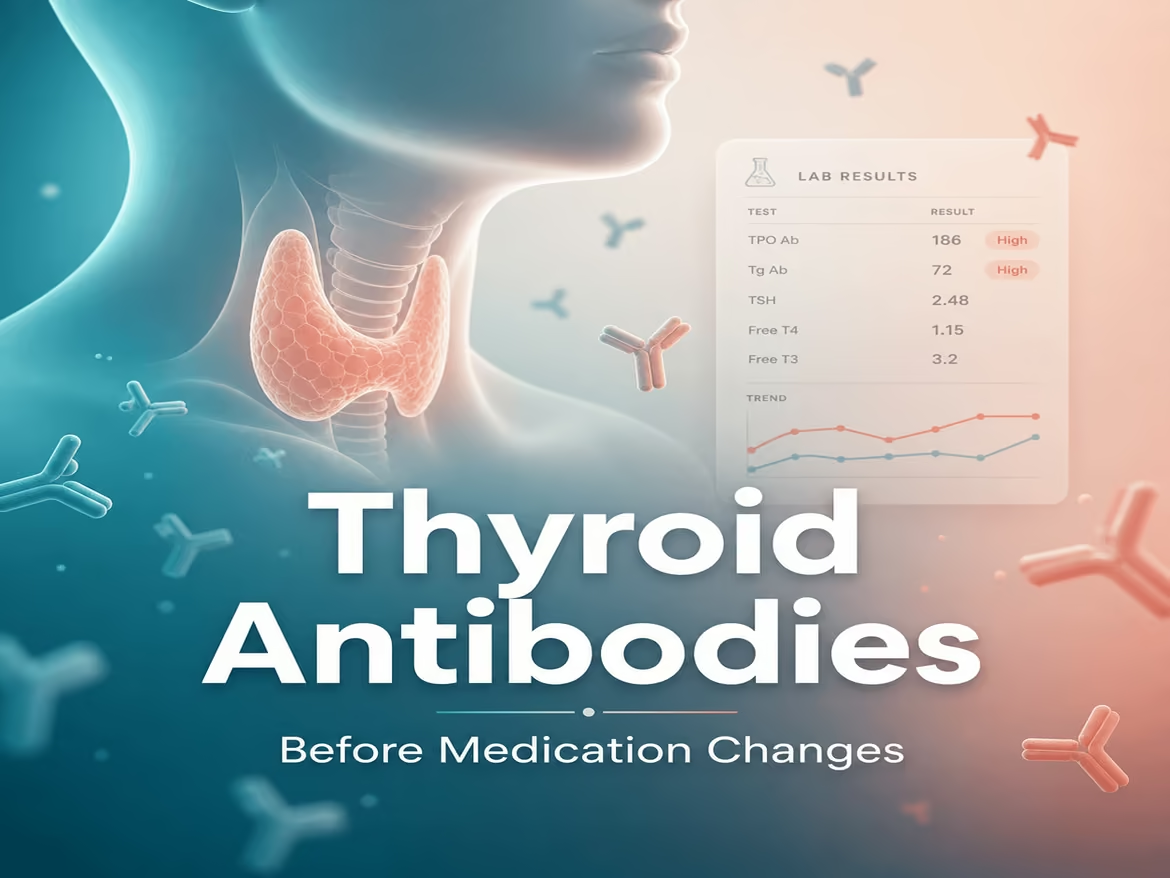
A key point that gets missed: antibodies can be high even when TSH, Free T4, and Free T3 are still in range. That’s why people can feel dismissed. “Your labs are normal.” Yes. But your immune system is not acting normal.
Another key point: antibody numbers do not map neatly to symptom severity. Some people have sky high antibodies and feel okay. Some have mildly elevated antibodies and feel terrible. So we use antibodies as a signal. A clue. Not a standalone diagnosis of how you should feel.
Why people jump to medication changes (and why it can backfire)
When you feel hypothyroid, it is tempting to keep increasing medication until symptoms improve. Sometimes that’s exactly what’s needed. But sometimes symptoms are being driven by something else and increasing thyroid hormone only adds a new problem.
Common “looks like hypothyroid” drivers that can coexist with autoimmune thyroid disease:
- Low iron or low ferritin
- Low B12 or folate
- Vitamin D deficiency
- Poor sleep, sleep apnea
- Chronic stress with cortisol dysregulation
- Blood sugar swings, insulin resistance
- Under eating or over training
- Perimenopause and hormone shifts
- Gut inflammation, food sensitivities, celiac
- Medication timing issues or absorption problems
- Inflammation and infections that ramp up immune activity
So you increase levothyroxine and for a week or two you feel a little better. Then you feel wired, anxious, your heart races, you cannot sleep. Or your TSH is “perfect” but you still feel exhausted and inflamed. That is the loop.
Before you change medication, you want to check whether the issue is dose, absorption, conversion, or something adjacent.
Step 1: Make sure you are not missing the basic thyroid labs
If you only have a TSH, you do not have enough information for a medication decision.
At minimum, before changing dose, talk with your clinician about:
- TSH
- Free T4
- Free T3
Often helpful, depending on the situation:
- Reverse T3 (more nuanced, not always necessary, but can be useful in certain patterns of stress, inflammation, calorie restriction, chronic illness)
- TPOAb and TgAb (if Hashimoto’s is suspected or to track trend)
- TRAb or TSI (if hyperthyroid patterns, postpartum thyroiditis, or fluctuating symptoms)
And one practical thing: if you are taking biotin, stop it for a few days before thyroid labs (your clinician will guide timing) because biotin can interfere with immunoassays and make results look falsely better or worse.
Step 2: Check if you are actually absorbing your medication
This sounds basic. But it is huge.
Levothyroxine absorption is easily disrupted by timing, supplements, and gut issues.
Before increasing your dose, review these:
Medication timing
- Ideally taken on an empty stomach with water.
- Separate from food, coffee, and supplements. Many clinicians recommend 30 to 60 minutes before breakfast, or bedtime dosing several hours after food. Consistency matters more than perfection.
Common blockers
Separate thyroid medication from these by several hours (confirm with your clinician):
- Iron
- Calcium
- Magnesium
- Zinc
- Multivitamins
- Fiber supplements
- Antacids
- PPIs or H2 blockers (not always possible to stop, but it matters)
Gut issues
If you have chronic reflux, gastritis, H. pylori, celiac, chronic diarrhea or constipation, SIBO, or you are on long term acid suppression, absorption can be impaired. In those cases, dose changes may not fix symptoms because the real issue is how reliably medication gets into your system.
Sometimes switching formulation (tablet vs liquid vs softgel) helps. Sometimes addressing the gut helps more than any dose adjustment.
Step 3: Look at iron and ferritin before you touch thyroid hormone
This is one of the most common missing pieces.
Low ferritin can mimic hypothyroid symptoms and also reduce thyroid hormone conversion and function. You can have a “normal” hemoglobin and still have low ferritin.
Ask about:
- Ferritin
- Iron panel (serum iron, TIBC, saturation)
- CBC
If ferritin is low, you and your clinician can decide on diet changes, investigating heavy bleeding, gut blood loss, or iron supplementation. And yes, iron has to be separated from thyroid medication, so this becomes part of the plan.
Step 4: Check vitamin D, B12, folate, and selenium status thoughtfully
Autoimmune thyroid disease often travels with nutrient issues. Not because supplements are magic. But because immune regulation and thyroid physiology are nutrient dependent.
Common labs to discuss:
- 25 OH Vitamin D
- B12
- Folate
- Sometimes zinc, selenium, iodine status (with caution)
A few notes because this gets messy fast:
- Selenium can support thyroid antibody reduction in some people, but more is not better. Too much selenium is toxic. Do not self dose high amounts long term.
- Iodine is not a simple “take more” situation in Hashimoto’s. High iodine can worsen autoimmunity in some cases. If you are avoiding iodized salt, or taking high dose iodine supplements, you want this reviewed carefully.
- B12 deficiency is common, especially if you have autoimmune gastritis, low stomach acid, or long term metformin or acid blockers.
Fixing these does not replace thyroid medication if you need it. But it can dramatically change how you feel, and it can make medication dosing more stable.
Step 5: Assess inflammation and immune triggers (yes, this is where antibodies matter)
If antibodies are elevated, your immune system is activated against thyroid tissue. So the question becomes: what is driving immune activation in your body right now?
This is where a functional or integrative approach can be useful, as long as it stays grounded and individualized.
Common triggers to explore with your clinician:
Gluten and celiac screening
Hashimoto’s and celiac disease are associated. If you have GI symptoms, anemia, nutrient deficiencies, or a strong family history, discuss screening. Do not remove gluten right before testing unless your clinician instructs you, because it can affect results.
Gut health and permeability patterns
You do not need a million stool tests to start. Sometimes the basics matter first:
- bowel regularity
- reflux and bloating patterns
- food reactions
- history of infections or antibiotics
- consistent protein and fiber intake
But if symptoms persist, targeted testing can be helpful.
Chronic infections and immune load
EBV history, chronic sinus issues, dental infections, mold exposure, and other chronic inflammatory burdens can keep the immune system “on.” Not always. But worth considering if antibodies stay high and symptoms do not match thyroid labs.
Stress and sleep
I know. Everyone says this. But it is real.
High stress and poor sleep shift immune balance, worsen blood sugar, impair conversion, and intensify symptoms like anxiety, palpitations, and fatigue. If you change thyroid medication while your sleep is falling apart, you may misinterpret the result.
Step 6: Clarify what kind of thyroid medication problem you are trying to solve
Before you adjust medication, get specific. Which of these is true?
1) Your TSH is high and Free T4 is low
This often points to under replacement (or hypothyroidism not adequately treated). Dose adjustment may be appropriate.
2) Your TSH is “normal” but you feel terrible
Could be:
- low ferritin, nutrient issues
- sleep, stress, blood sugar
- poor absorption
- not enough Free T3 or poor conversion (not always)
- inflammation and autoimmune activity
- another diagnosis entirely
Medication changes might help. Or they might distract from the real issue.
3) Your TSH is suppressed and you feel anxious or wired
You may be over replaced. Or you may be sensitive to dose changes. Or you may have adrenal stress, caffeine overload, or perimenopause driving symptoms. You want data, not guesses.
4) Your labs swing up and down
Look hard at:
- dose consistency
- timing with supplements
- brand changes
- gut absorption
- postpartum changes
- thyroiditis patterns
Sometimes the “right dose” never feels right because the input is inconsistent.
Step 7: If antibodies are high, do not use them as the only reason to medicate
This is important.
In Hashimoto’s, antibodies can be elevated for years before the thyroid output drops. Many people do not need thyroid hormone until TSH and Free T4 indicate hypothyroidism, or symptoms plus labs show a clear pattern that your clinician agrees with.
Treating antibodies directly with thyroid hormone is not a standard approach. You treat hypothyroidism when it is present. You address immune drivers and inflammation to support antibody reduction, symptom improvement, and long term thyroid preservation.
Sometimes antibodies decrease. Sometimes they do not. The goal is you feeling better, your thyroid function being stable, and risk factors being addressed.
Step 8: Avoid the common self sabotage moves right before retesting labs
If you are about to recheck labs and consider a medication change, try not to do these in the week or two before testing:
- drastically changing your diet
- starting or stopping major supplements without telling your clinician
- starting high dose biotin
- changing your medication timing randomly
- missing doses and then doubling up
- suddenly adding tons of iodine or “thyroid support” blends
You want your labs to reflect your real baseline, not chaos.
Also, for some lab interpretations, it matters when you take your medication relative to blood draw. Different clinicians have different preferences. Ask and follow the same method each time so trends are meaningful.
Step 9: Build a simple, sane plan before you change anything
Here is what a “clean” pre medication change plan can look like, conceptually:
- Confirm the right thyroid labs (TSH, Free T4, Free T3, plus antibodies as needed).
- Fix medication timing and separation from supplements for at least a few weeks.
- Check ferritin, iron panel, vitamin D, B12, folate.
- Screen for celiac if appropriate. Consider gut work if symptoms point there.
- Stabilize sleep and caffeine. Basic blood sugar stability. Protein at breakfast. Boring, but it works.
- Then reassess symptoms and labs with your clinician and decide if medication change is still needed.
The point is not to delay care. The point is to avoid changing the dose when the real problem is absorption, deficiency, or immune activation.
When a medication change really is the right move
Sometimes you do all of the above and the answer is still. You need a change.
That might mean:
- adjusting levothyroxine dose
- switching brands due to fillers or consistency
- trying a different formulation for absorption
- in select cases, discussing combination therapy (T4 plus T3) with a clinician who is experienced and cautious
- evaluating for thyroiditis patterns or Graves’ if hyper symptoms appear
But it goes better when you have removed the obvious friction points first. Otherwise every change feels like a gamble.
A quick note if you are postpartum or in perimenopause
Two groups get blindsided:
- Postpartum: thyroiditis is common, antibodies can flare, labs can swing from hyper to hypo. Medication decisions can be time sensitive and need close follow up.
- Perimenopause: sleep changes, anxiety, palpitations, weight shifts, and cycle changes can mimic thyroid issues. You can absolutely have both. But you want to avoid attributing everything to TSH when hormones and stress physiology are clearly shifting.
If you are in either category, do not DIY this. Get eyes on the full picture.
If you want help tying all of this together
If you are stuck in that place where antibodies are high, symptoms are loud, and medication changes keep happening without a clear plan, this is exactly the kind of case an integrative approach is meant for.
Dr. Lisa Silvani’s practice at LisaSilvani.com focuses on stepping back and looking at thyroid function alongside gut health, immune balance, hormones, detox capacity, and energy metabolism. Not in a woo way. In a let’s get your data straight and build a plan you can actually follow way.
You can explore resources on the site and, if it feels like a fit, book a free consultation to talk through what is going on.
Let’s wrap this up
Thyroid antibodies are not just a lab curiosity. They are a flag that the immune system is involved.
But they are also not a direct instruction to change your thyroid medication.
Before changing dose, you want to:
- confirm you have the right thyroid labs, not just TSH
- make sure you are absorbing your medication consistently
- check ferritin and key nutrient deficiencies that mimic hypothyroid symptoms
- look for immune and gut triggers that keep antibodies elevated
- stabilize the basics so your next lab check actually means something
Then, if medication needs to change, it is a cleaner decision. Less guessing. Less whiplash. And usually, a faster path to feeling like yourself again.
FAQs (Frequently Asked Questions)
What do thyroid antibodies indicate and how do they affect thyroid health?
Thyroid antibodies are proteins produced by your immune system that target parts of your thyroid gland. They signal that your immune system is reacting against your thyroid, often indicating autoimmune thyroid conditions like Hashimoto’s thyroiditis or Graves’ disease. However, antibodies themselves don’t determine thyroid hormone levels or medication dose; they serve as clues to underlying immune activity that may affect your symptoms and thyroid function.
Why might my TSH levels look normal even if I have high thyroid antibodies and symptoms?
It’s common for individuals to have elevated thyroid antibodies while their TSH, Free T4, and Free T3 levels remain within the normal range. This means that despite a ‘normal’ lab result, the immune system is still active against the thyroid, which can cause symptoms such as fatigue, brain fog, weight changes, or anxiety. Therefore, normal TSH does not always mean your thyroid-related symptoms are not real or significant.
Why shouldn’t I rush to change my thyroid medication dose based on symptoms alone?
While adjusting levothyroxine can be life-changing for some, increasing or decreasing medication without thorough evaluation can backfire. Symptoms similar to hypothyroidism might be caused by other factors like nutrient deficiencies (iron, B12), vitamin D deficiency, poor sleep, stress-related cortisol imbalances, hormonal changes, gut inflammation, or medication absorption issues. Changing your dose prematurely may worsen symptoms or cause unstable lab results.
What key lab tests should I have before considering a change in my thyroid medication?
Before adjusting your medication dose, it’s important to have a comprehensive panel including at least TSH, Free T4, and Free T3. Depending on your situation, tests like Reverse T3 (to assess conversion and stress impact), TPO antibodies and thyroglobulin antibodies (for Hashimoto’s), and TSH receptor antibodies or TSI (for Graves’ disease) may also be helpful. Additionally, avoid biotin supplements for several days before testing as biotin can interfere with lab results.
How can I ensure proper absorption of my levothyroxine medication?
Levothyroxine absorption can be disrupted by food, supplements, and gut issues. Take it consistently on an empty stomach with water—ideally 30 to 60 minutes before breakfast or at bedtime several hours after eating. Separate it by several hours from iron, calcium, magnesium, zinc, multivitamins, fiber supplements, antacids, proton pump inhibitors (PPIs), or H2 blockers. If you have gut conditions like reflux or celiac disease, discuss these with your clinician as they may affect absorption.
What other factors besides thyroid hormone levels can cause hypothyroid-like symptoms?
Symptoms resembling hypothyroidism can arise from various conditions including low iron or ferritin levels, vitamin B12 or folate deficiency, vitamin D deficiency, poor sleep quality or sleep apnea, chronic stress leading to cortisol imbalance, blood sugar fluctuations and insulin resistance, hormonal changes during perimenopause, gut inflammation or food sensitivities such as celiac disease. Addressing these factors is crucial before altering thyroid medication.
References
- Biondi, B., & Cooper, D. S. (2018). The Clinical Significance of Subclinical Thyroid Dysfunction. New England Journal of Medicine, 378(2), 241-249. https://doi.org/10.1056/NEJMcp1708841
- McLeod, D. S., Cooper, D. S. (2012). The incidence and prevalence of thyroid autoimmunity. Endocrine, 42(2), 252–265. https://doi.org/10.1007/s12020-012-9705-8
- Jonklaas, J., Bianco, A.C., Bauer, A.J., et al. (2014). Guidelines for the Treatment of Hypothyroidism: Prepared by the American Thyroid Association Task Force on Thyroid Hormone Replacement. Thyroid, 24(12), 1670–1751. https://doi.org/10.1089/thy.2014.0028
- Wiersinga, W.M., Duntas, L., Fadeyev, V., Nygaard, B., Vanderpump, M.P.J. (2019). 2019 European Thyroid Association Guideline for the Management of Subclinical Hypothyroidism in Pregnancy and in Children — An Update to the 2015 ETA Guideline and the 2013 ATA Guideline: Executive Summary and Recommendations. European Thyroid Journal, 8(6), 275–285. https://doi.org/10.1159/000502436
- Stangierski, A., Lewandowski, K., & Lewiński, A. (2020). Role of micronutrients in thyroid function and autoimmunity: a narrative review with special emphasis on selenium and vitamin D status in Hashimoto’s thyroiditis patients. Endokrynologia Polska, 71(6), 639–647. https://doi.org/10.5603/EP.a2020.0094
- National Health Service (NHS UK). (2023). Thyroid disorders – Symptoms and causes. Retrieved from https://www.nhs.uk/conditions/thyroid-disease/
- Michael Ruscio, D.C., FACN, CNS – “Thyroid Testing and Autoimmune Thyroiditis: What You Should Know.” DrRuscio.com. Evidence-based insights on thyroid health with referenced studies.
- Fitzgerald, K.A., Hyman M.D., M.D., Integrative Approaches to Autoimmune Thyroid Disorders: Balancing Nutrition and Immune Health; Clinical Reviews in Endocrinology & Metabolism; Elsevier.
- Virili C., Centanni M. (2015). “Factors interfering with levothyroxine absorption” Best Practice & Research Clinical Endocrinology & Metabolism, 29(5):543-554 https://doi.org/10.1016/j.beem.2015.05.005
- Medici M., Timmermans S., Visser T.J., Peeters R.P.. (2014). “Thyroid hormone transporters and deiodinases: implications for hypothyroidism diagnosis.” Nature Reviews Endocrinology 10(7):470-80 https://doi.org/10.1038/nrendo.2014.67
- ScienceDirect (Elsevier). (2023). “Levothyroxine absorption variability in gastrointestinal disorders.” Available at: https://www.sciencedirect.com/science/article/pii/S0306453004001283
- MindBodyGreen Editorial Team (2022). “How Stress Impacts Your Thyroid Function.” Supported by scientific literature reviews.
- Springer Nature Communications Medicine (2022). “The impact of iron deficiency on thyroid metabolism and hypothyroidism symptoms.” https://www.nature.com/articles/s43856-022-00102-w
- National Institutes of Health (NIH) Office of Dietary Supplements – Fact Sheets for Vitamin D, Iron, Selenium, Vitamin B12: https://ods.od.nih.gov/factsheets/
- NHS UK – “Understanding autoimmune thyroid disease,” accessed June 2024: https://www.nhs.uk/conditions/hashimotos-thyroiditis/
- ScienceDirect Review Article: “Role of gut health in autoimmune thyroid disease” (2021) https://www.sciencedirect.com/science/article/pii/S266662352100023X

