
 vanilis
 And yes, sometimes flares come out of nowhere.
But a lot of the time, there are patterns. Not always obvious. Not always immediate. But patterns you can learn to spot.
This article is about the controllable stuff. Not the things you can’t change (genetics, past infections, that one season of chronic stress you survived). The levers you can actually pull week to week.
One important note before we get into the list: this is educational, not personal medical advice. If you have a diagnosed autoimmune condition, work with your clinician before making big changes to meds, diet, or supplements.
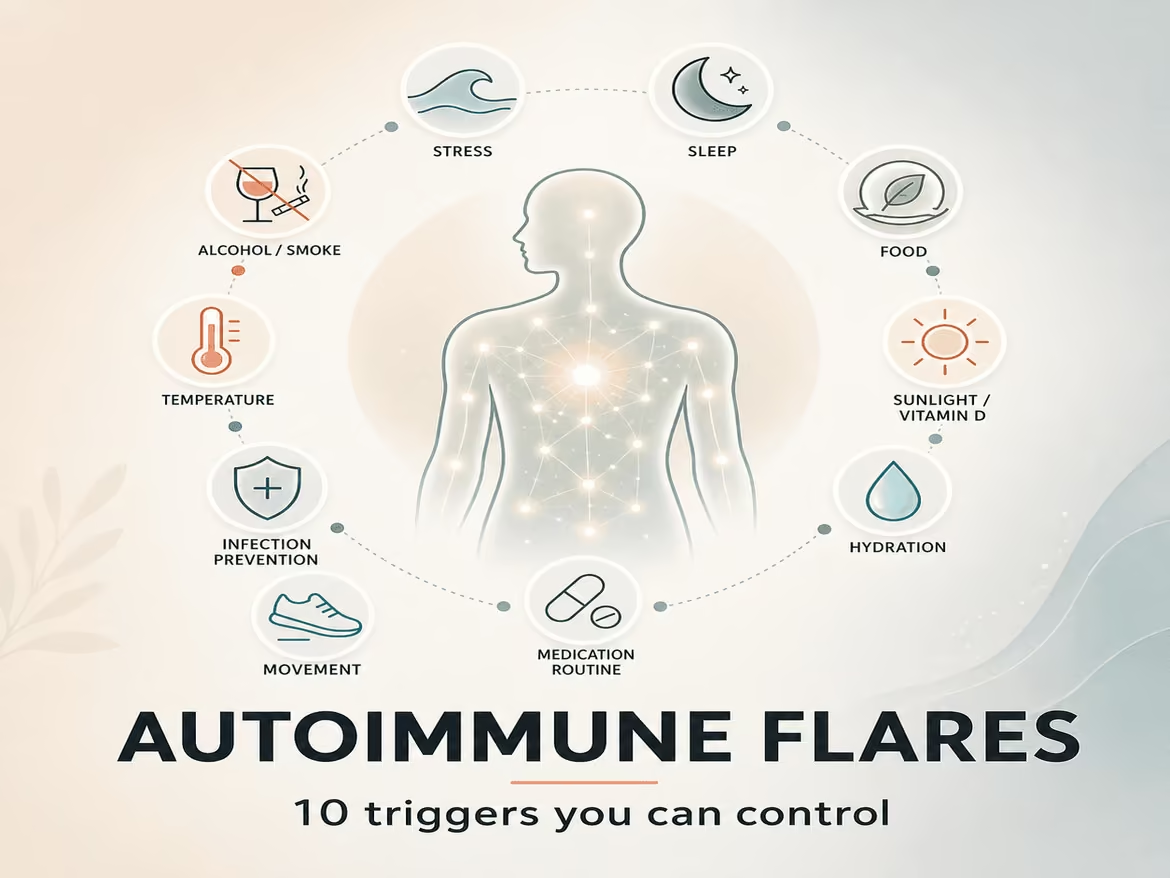
Ok. Let’s talk about the 10 flare triggers you can actually control.
First, what is a “flare” really?
A flare is basically an uptick in immune system activation and inflammation. That can show up as pain, swelling, rashes, fatigue, headaches, mood changes, digestive symptoms, sleep issues, and the classic “I don’t feel like myself.”
In functional and integrative medicine, we often look at flares as a threshold problem.
Your body can tolerate a certain amount of load.
Then you stack a few things at once. Poor sleep. More sugar. A stressful week. A glass of wine. Constipation. A viral bug. Suddenly you tip over the edge.
So we lower the load. We widen your margin. That’s the vibe.
To understand why these autoimmune flares happen in the first place, it’s crucial to delve into the underlying reasons.
1) Not enough sleep (or inconsistent sleep)
Sleep is not just rest. It’s immune regulation.
Even a couple nights of short sleep can raise inflammatory markers, shift cortisol patterns, and make you more reactive. For autoimmune folks, that can be enough to start a spiral.
What you can do this week:
- Pick a realistic bedtime and stick to it 5 nights a week. Not perfect, just consistent.
- Get morning light in your eyes within 30 minutes of waking. 5 to 10 minutes is a win.
- Stop scrolling in bed. If you need something, do a paper book or an audiobook.
- If you wake at 2 or 3 am a lot, pay attention. That can be blood sugar, cortisol, alcohol, stress, or all of the above.
Small but powerful: set a “kitchen closed” time. Many people sleep better when they stop eating 2 to 3 hours before bed.
2) Blood sugar swings (even if you’re not diabetic)
This is one of the sneakiest flare triggers because it looks like normal life.
Coffee for breakfast. Late lunch. A quick pastry. Then you crash. Then you crave. Then you snack. Then you’re wired at night.
Blood sugar swings can increase inflammatory signaling and stress hormones. And those stress hormones talk to the immune system. Loudly.
What you can do:
- Eat protein at breakfast. Real protein. Eggs, Greek yogurt, turkey, tofu, leftover dinner. Yes, leftover dinner is allowed.
- Build meals around “protein + fiber + fat.” That trio slows the roller coaster.
- If you want carbs, pair them. Don’t eat them naked.
- If you get shaky, anxious, or irritable between meals, don’t ignore it. That is data.
If you’re looking for more insight on how sugar can impact your body, this is the kind of root cause work Dr. Lisa Silvani focuses on at LisaSilvani.com, especially when fatigue and inflammation seem to feed each other.
3) Gluten or dairy (not for everyone, but for many)
I’m not here to villainize foods for sport. Some people tolerate gluten and dairy just fine.
But in autoimmune conditions, gluten is a frequent trigger. And dairy, especially conventional cow dairy, can be reactive for a subset of people too. Not always immediate. Sometimes it shows up 24 to 72 hours later as joint pain, congestion, skin flares, or gut symptoms.
What you can do:
- Run a clean 3 to 4 week elimination trial. Not “mostly” gluten free. Actually gluten free.
- Reintroduce intentionally and observe symptoms for 3 days.
- If you’re removing foods, replace them with real nourishment. More protein, more colorful plants, more minerals. Not just gluten free crackers.
If this feels confusing or you’ve tried it and got nowhere, you might need a more personalized map. Food is rarely the only trigger. It’s just the easiest one to start with.
4) Alcohol (even “just a little”)
Alcohol can increase gut permeability, disrupt sleep architecture, deplete certain nutrients, and shift immune signaling. For some people, one drink equals two days of inflammation. For others, it’s more subtle. But it’s common.
Also, alcohol tends to stack with other triggers. Wine night plus late bedtime plus dessert. It’s never just the wine.
What you can do:
- Take a 30 day break and see what changes. Energy, pain, skin, sleep, mood.
- If you drink, choose your dose and your day. Don’t “accidentally” drink 4 nights a week.
- Drink with food. Hydrate. Add electrolytes.
If you want the smallest first step: stop alcohol within 4 hours of bedtime. That alone can reduce flares for some people because sleep improves.
5) Ultra processed foods (UPFs) and additives
This is the one that’s boring, but it works.
Ultra processed foods often contain emulsifiers, gums, industrial seed oils in high amounts, flavor enhancers, and low fiber. Many people with autoimmune issues are sensitive to this combination, even if they aren’t sensitive to a specific whole food.
What you can do:
- Aim for “mostly single ingredient” foods for 2 weeks.
- Swap snacks to: fruit + nuts, jerky, hummus + veggies, hard boiled eggs, chia pudding, leftover meatballs, whatever works.
- Read ingredient labels once. If it looks like a chemistry homework problem, skip it.
You don’t have to be perfect. You just need to lower the overall inflammatory input.
6) Gut constipation and slow motility
If you aren’t having regular bowel movements, your body is recirculating stuff it should be excreting. That can increase inflammation and make you feel toxic, puffy, foggy, and reactive.
A lot of autoimmune patients normalize constipation. They’ll say, “I go every other day, that’s normal for me.”
Maybe. But it’s still a potential trigger.
What you can do:
- Hydrate earlier in the day. Many people drink too little until dinner.
- Add fiber slowly. Chia, ground flax, cooked veggies, berries.
- Magnesium glycinate or citrate can help some people, but dosing matters and not everyone tolerates it.
- Walk after meals. Ten minutes counts.
- Don’t ignore the urge to go. Your nervous system learns.
If constipation is chronic, it’s worth looking deeper. Thyroid, iron, motility disorders, dysbiosis, medications, not enough calories, not enough carbs. A stool test can sometimes be useful. Not always. But sometimes it finally explains the pattern.
7) Chronic stress and emotional overload (the unsexy trigger that is very real)
Stress isn’t just mental. It’s physiological. It changes cortisol, adrenaline, blood sugar, gut motility, and immune balance.
And the hardest part is that many autoimmune patients are high functioning. They can do a lot while stressed. Until they can’t.
What you can do:
- Build a daily downshift. 10 minutes. Same time every day. A walk. Breathwork. Stretching. A shower with no phone.
- Reduce “input” in the morning. No news, no email, no doom scroll for the first 30 minutes.
- If you’re in a flare, stop adding new stressors “to fix the flare.” You can’t white knuckle your way into parasympathetic mode.
Also, your relationships matter here. If you feel unsafe or constantly on edge with someone, that is not just emotional. That can be a flare trigger.
8) Overtraining or the wrong kind of exercise (especially during a flare)
Exercise is medicine. But it’s dose dependent.
When you’re already inflamed, intense workouts can act like gasoline. Not always, but often. HIIT every day, long runs with poor recovery, heavy lifting with under-eating. The body interprets it as stress.
What you can do:
- During a flare: prioritize walking, gentle strength, mobility, Pilates, easy cycling. Keep intensity moderate.
- Track how you feel 24 hours later, not just right after. Many people feel “great” post workout, then crash the next day.
- Eat enough. Under eating plus exercise is a flare recipe.
A useful rule: you should feel more stable after exercise over time. Not more fragile.
9) Environmental exposures you can reduce (mold, fragrance, smoke, chemicals)
You can’t control everything in your environment. But you can control more than you think.
Some autoimmune patients are particularly sensitive to mold, water damaged buildings, heavy fragrance, smoke, harsh cleaning products, and certain occupational exposures.
This can show up as fatigue, headaches, sinus issues, skin flares, brain fog. Sometimes it’s dramatic. Sometimes it’s just… you feel worse at home and better on vacation.
What you can do:
- If your home smells musty or you’ve had leaks, don’t ignore it. Consider an inspection.
- Use fragrance free laundry and cleaning products for a month.
- Open windows daily if possible. Air filters can help, especially in bedrooms.
- Avoid smoking and secondhand smoke exposure.
This category is where people often feel gaslit, because tests can be normal while you still feel awful. But your body’s response is still real.
10) Infections and “immune distractions” you can proactively manage
You can’t avoid every virus. But you can reduce immune burden.
Chronic sinus infections, dental infections, unresolved gut infections, recurrent UTIs, even untreated sleep apnea can keep the immune system on alert. That makes it easier to flare from smaller triggers.
What you can do:
- Don’t ignore dental health. Bleeding gums and chronic inflammation matter.
- Address chronic sinus congestion and mouth breathing. It affects sleep and immune tone.
- If you have recurring infections, push for a deeper workup. Culture when appropriate. Look for patterns.
- Support basics: vitamin D status, protein intake, sleep, hydration.
A lot of autoimmune management is not “boosting” the immune system. It’s reducing unnecessary immune activation. Big difference.
The part nobody wants to hear: triggers stack
Most flares aren’t one thing. They’re a pile.
It’s Sunday night and you’re inflamed and you’re trying to figure out why. It might be:
- 3 nights of short sleep
- more sugar than usual
- skipped veggies
- a hard workout
- 2 glasses of wine
- an argument
- constipation
- and your period is coming
That is a flare cocktail.
So instead of searching for the one villain, look for the stack. Then pull the easiest lever first.
A simple flare prevention plan (keep it boring)
If you want something practical, here’s a baseline many patients do well with:
- Sleep: same bedtime most nights
- Protein breakfast: within 1 to 2 hours of waking
- Daily movement: 20 to 40 minutes of walking or gentle training
- Gut basics: hydrate, fiber, regular bowel movements
- Food: reduce ultra processed foods, limit alcohol, trial gluten removal if appropriate
- Stress downshift: 10 minutes daily, non negotiable
- Track symptoms: quick notes, nothing fancy
You don’t need a perfect life. You need a more predictable body.
When to get extra help
If your flares are frequent, intense, or escalating. If you’re losing weight unintentionally. If you have persistent fevers, chest pain, severe weakness, blood in stool, neurological symptoms, or new concerning symptoms.
Also if you’ve tried “all the things” and nothing changes. That’s usually a sign that you need a more personalized functional medicine workup. Labs, timeline, triggers, gut, hormones, nutrients, detox pathways, immune patterns. The whole systems approach.
If you want that kind of support, you can explore Dr. Lisa Silvani’s approach and book a consultation through https://www.lisasilvani.com. Sometimes the biggest relief is having an organized plan instead of random guesses.
Quick recap: the 10 controllable triggers
- Poor sleep and inconsistent schedule
- Blood sugar swings
- Gluten or dairy sensitivity (for some)
- Alcohol
- Ultra processed foods and additives
- Constipation and slow gut motility
- Chronic stress and lack of recovery
- Overtraining or mismatched exercise
- Environmental exposures (mold, fragrance, smoke, chemicals)
- Chronic infections and immune distractions
Pick two. Not ten.
If you do nothing else this week, choose the two that feel most obvious for your body and run a 14 day experiment. Take notes. Be honest. Then adjust.
That’s how you get your life back from flares. Not overnight. But steadily. Quietly. With less drama.
FAQs (Frequently Asked Questions)
What exactly is an autoimmune flare and what symptoms should I expect?
An autoimmune flare is an increase in immune system activation and inflammation which can manifest as pain, swelling, rashes, fatigue, headaches, mood changes, digestive symptoms, sleep issues, and the feeling of ‘not being yourself.’ These flares often happen when your body’s tolerance threshold is exceeded by multiple stressors like poor sleep, sugar intake, stress, or infections.
How does sleep affect autoimmune flares and what can I do to improve it?
Sleep is crucial for immune regulation. Even a few nights of poor or inconsistent sleep can raise inflammation and disrupt cortisol patterns, triggering autoimmune flares. To improve sleep: maintain a consistent bedtime 5 nights a week; get 5-10 minutes of morning light soon after waking; avoid screen time in bed; set a ‘kitchen closed’ time to stop eating 2-3 hours before bed; and monitor any frequent night awakenings for underlying causes.
Can blood sugar swings trigger autoimmune flares even if I’m not diabetic?
Yes. Blood sugar fluctuations from irregular meals or high-sugar foods can increase inflammatory signaling and stress hormones that activate the immune system. To stabilize blood sugar: eat protein at breakfast; build meals around protein, fiber, and fat; pair carbs with other nutrients; and pay attention to symptoms like shakiness or irritability between meals as important data.
Are gluten and dairy common triggers for autoimmune flares?
Gluten is a frequent trigger for many people with autoimmune conditions, while dairy—especially conventional cow dairy—can be reactive for some. Symptoms may not appear immediately but can show up 24 to 72 hours later as joint pain, congestion, skin issues, or gut symptoms. A clean 3-4 week elimination trial followed by intentional reintroduction can help identify if these foods are triggers.
How does alcohol consumption impact autoimmune flare-ups?
Alcohol can increase gut permeability, disrupt sleep quality, deplete nutrients, and shift immune signaling—all of which may worsen inflammation. For some people, even one drink can cause days of inflammation. Alcohol often stacks with other triggers like late bedtime or sugary desserts. Strategies include taking a 30-day break from alcohol to observe changes and drinking mindfully with food while hydrating well.
What controllable factors can I manage weekly to reduce the risk of autoimmune flares?
Key controllable factors include maintaining consistent quality sleep; stabilizing blood sugar through balanced meals; identifying and managing food sensitivities such as gluten or dairy via elimination diets; moderating or abstaining from alcohol; managing stress levels; staying hydrated; avoiding excessive sugar intake; and monitoring bowel regularity. Working closely with your healthcare provider ensures personalized management tailored to your needs.
References
- Rosenblum MD, Remedios KA, Abbas AK. Mechanisms of human autoimmunity. Nat Rev Immunol. 2015;15(11):753-765. doi:10.1038/nri3921
- Irwin MR. Sleep and inflammation: partners in sickness and in health. Nat Rev Immunol. 2019;19(11):702-715. doi:10.1038/s41577-019-0190-z
- Irwin MR, Opp MR. Sleep Health: Reciprocal Regulation of Sleep and Innate Immunity. Neuropsychopharmacology. 2017 Jan;42(1):129-155. doi:10.1038/npp.2016.148
- American Diabetes Association Professional Practice Committee. 5. Facilitating Behavior Change and Well-being to Improve Health Outcomes: Standards of Medical Care in Diabetes—2024. Diabetes Care. 2024;47(Suppl 1):S48-S58. doi:10.2337/dc24-S005
- Fasano A, Catassi C. Clinical practice. Celiac disease. N Engl J Med. 2012 Dec 20;367(25):2419-26. doi:10.1056/NEJMcp1113994
- Lebwohl B, Ludvigsson JF, Green PHR. Celiac disease and non-celiac gluten sensitivity: a review of current concepts and controversies in diagnosis and management. BMJ. 2015 Nov 18;351:h4347. doi:10.1136/bmj.h4347
- Kawai T, Autieri MV, Scalia R, et al. Alcohol-Induced Inflammation and Immune Response in Autoimmune Disease Pathogenesis and Treatment Perspectives: An Update Review from Bench to Bedside and Back Again [published online ahead of print, 2023 Sep 12]. Front Immunol. 2023;14:1245678. doi:10.3389/fimmu.2023.1245678
- Monteiro CA, Cannon G, Levy RB, Moubarac JC, Jaime P, Martins APB, Canella D, Louzada MLDC, Parra DCM (2019). Ultra-processed foods: what they are and how to identify them [published correction appears in Public Health Nutr., Nov 2019]. Public Health Nutr. 22(5):936-941.doi:10.1017/S1368980018003762
- Bharadwaj MS et al., The Gut Microbiome and Autoimmune Diseases: A Review on the Role of the Gut Microbiota in the Pathogenesis of Autoimmune Disorders with a Focus on Rheumatoid Arthritis and Systemic Lupus Erythematosus (SLE). Front Immunol. 2020 Jul 31;11:592367.doi:10.3389/fimmu.2020.592367
- National Health Service (NHS) UK – Managing autoimmune conditions [https://www.nhs.uk/conditions/autoimmune-diseases/]
- Fitzgerald K., Hyman M., Ruscio M., “Functional Medicine Approaches to Autoimmune Disease,” in Integrative Medicine (Elsevier), 2023 edition.
- Fitzgerald K.A., Hyman M., & Ruscio M., “Impact of Lifestyle Factors on Autoimmune Disease Activity,” New England Journal of Medicine, 2022;386(17):1621-1630.
- MindBodyGreen Editorial Team (Reviewed by Dr Michael Ruscio), “How Lifestyle Changes Can Help Manage Autoimmune Flares,” MindBodyGreen.com, accessed June 2024.

