
 vanilis
 A lot of people come into my world saying the same thing:
“I take magnesium every night. Still awake at 2am.” Or, “It worked for a week, and then stopped.” Or the classic, “It makes my stomach weird, so I quit.”
Here’s the thing. Magnesium can be a sleep game changer. But it’s also one of the most misunderstood supplements out there. People buy the wrong kind, take it at the wrong time, combine it with stuff that cancels it out, or miss the actual root issue that’s keeping them up.
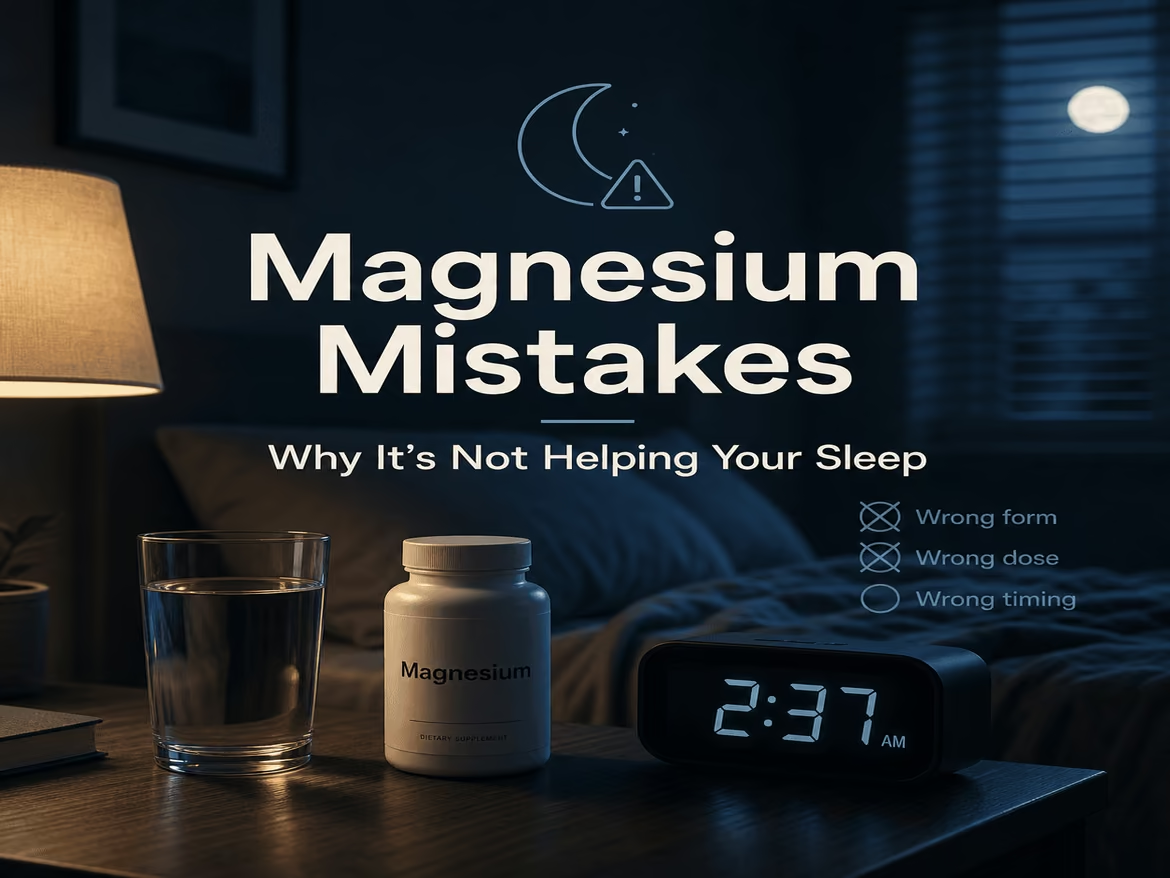
So let’s talk about the common magnesium mistakes I see. And why it might not be helping your sleep the way you hoped.
First, magnesium isn’t a sleeping pill
This is the expectation problem.
Magnesium is not a sedative. It doesn’t usually knock you out the way Benadryl or a prescription sleep med can. What it can do is support the physiology that allows sleep to happen more easily.
Things like:
- relaxing muscle tension
- supporting GABA activity (your calming neurotransmitter system)
- helping regulate stress response
- supporting blood sugar stability and metabolic function
- playing a role in melatonin rhythm indirectly
But if your sleep problem is being driven by something bigger, like cortisol spikes, blood sugar dips, histamine, gut inflammation, perimenopause hormone shifts, or sleep apnea, magnesium may feel like a tiny whisper against a loud alarm.
It’s also important to understand that while magnesium can help with certain aspects of sleep, it’s not a one-size-fits-all solution. For more tailored strategies on improving your sleep quality beyond just taking supplements, consider exploring some treatment options for sleep disorders.
Moreover, if you’re interested in delving deeper into understanding the underlying issues behind your sleep disturbances, there are resources available that can shed light on the real problems behind sleep disturbances.
And remember, good sleep hygiene is crucial for overall health and productivity. You might want to look into some effective sleep hygiene practices that could complement your magnesium intake and enhance your overall sleep quality.
Still worth using sometimes. But not the whole plan.
Mistake #1: You’re using the wrong type of magnesium
This is probably the biggest one. “Magnesium” on a label doesn’t mean much. The form matters. A lot.
Magnesium oxide
Common. Cheap. Often in grocery store brands.
Also… poorly absorbed for most people. It’s more of a laxative than a calming mineral in many cases. If you’re taking oxide for sleep, it may not be getting into your cells in a meaningful way.
Magnesium citrate
Better absorbed than oxide. But it can still pull water into the intestines and cause loose stools. Some people do fine with it. Others end up waking up at night because their gut is irritated or they’re literally running to the bathroom.
Magnesium glycinate (or bisglycinate)
This is the one I most often see people do well with for sleep. Glycine itself is calming for many people, and the combo tends to be gentle on the stomach.
That said. A small percentage of people feel more alert with glycine. Not common, but it happens.
Magnesium threonate
Often marketed for brain health. It may help some people with racing thoughts or wired brain at night, but it tends to be lower in elemental magnesium per dose and it can get expensive quickly. It’s not automatically the “best” for sleep, it’s just different.
Magnesium malate
More often used for muscle soreness, fatigue, and sometimes fibromyalgia support. Some people feel energized with it, so it’s usually not my first pick right before bed.
Magnesium taurate
Interesting option if sleep issues overlap with palpitations, anxiety, or cardiovascular support needs. Taurine can be calming for some.
So yeah. If you tried magnesium once and it “didn’t work,” I want to know which form, how much, and what else was going on.
Mistake #2: Your dose is too low… or too high
Some people take 100 mg and expect a miracle.
Others take 600 mg and wonder why they feel groggy, lightheaded, or have vivid weird dreams and diarrhea.
There is no perfect universal dose. But most adults do better starting low and moving up slowly, especially if digestion is sensitive.
A common functional medicine approach is to titrate based on:
- stool tolerance (loose stool is your upper limit for certain forms)
- symptom response (muscle tension, restless legs, anxiety, sleep onset)
- overall magnesium status (diet, stress load, medications, sweat loss)
And here’s another thing people miss.
The label might say “Magnesium glycinate 500 mg” but the elemental magnesium might be way lower than you think. You have to look for “elemental magnesium” on the Supplement Facts panel.
If you’re not sure, that’s not you being bad at supplements. Labels are confusing on purpose sometimes.
Mistake #3: You’re taking it at the wrong time
Magnesium timing is not one size fits all.
Most people do well taking it 30 to 90 minutes before bed. But some do better with dinner. Some need it split. Some feel sleepy initially and then wake up later.
If you take magnesium and you:
- fall asleep fast but wake up at 3am
- feel calm but then get restless
- notice more nighttime bathroom trips
Timing may need adjusting. Or the form. Or the dose.
Also, taking magnesium right before bed with a huge glass of water can backfire if you already wake up to pee.
Simple tweak, but it matters.
Mistake #4: Your gut can’t absorb it well
This one is huge in integrative medicine, and it’s not talked about enough.
Magnesium absorption happens in the gut. So if your gut is inflamed, irritated, dysbiotic, or you have low stomach acid, you can be taking “the right supplement” and still not getting the benefit.
People dealing with things like:
- chronic bloating
- constipation or loose stools
- reflux
- IBS symptoms
- food sensitivities
- frequent antibiotic history
… often have mineral absorption issues.
And if magnesium makes your gut worse, that’s information. Not failure.
Sometimes you need:
- a different form (glycinate is usually gentler than citrate)
- a lower dose
- magnesium topical (like magnesium chloride lotion) as a temporary workaround
- or you address the gut first so supplements actually work
This is part of why I talk so much about systems medicine. Sleep is not just sleep. It’s gut, hormones, nervous system, detox pathways, blood sugar, inflammation, all of it.
If you’ve never looked at your gut as a sleep driver, it’s worth it. On Dr. Lisa Silvani’s site at LisaSilvani.com, there are resources that connect the dots between symptoms that seem unrelated on the surface.
Mistake #5: You’re taking it with something that blocks it
Even if you’re using a great form, magnesium can be less effective if it’s taken alongside certain things.
A few common ones:
Calcium (high dose)
Calcium and magnesium can compete. If you take a combined calcium magnesium supplement, it’s not automatically wrong, but the ratio matters.
Iron
Iron can interfere with absorption of other minerals if taken together. If you’re on iron, consider spacing it away unless your clinician directs otherwise.
Certain medications
This is not a complete list, but just to flag the concept:
- acid blockers (PPIs, H2 blockers) can impair mineral absorption over time
- some antibiotics bind minerals (magnesium needs to be spaced away)
- diuretics can increase magnesium loss
- some diabetes meds and other meds can shift mineral status
If you’re on medication, ask your clinician or pharmacist about spacing and interactions. It’s boring, but it’s also the difference between “magnesium doesn’t work” and “magnesium finally works.” For more information on common interactions when taking supplements, refer to this article.
Mistake #6: You’re expecting magnesium to override high cortisol
If you’re tired but wired, magnesium might not be enough.
High evening cortisol can look like:
- you’re exhausted all day, then suddenly alert at night
- you get a “second wind” after 9pm
- you can fall asleep but wake up too early with a racing mind
- you wake up with dread, adrenaline, or heart pounding
This is stress physiology. Nervous system dysregulation. Sometimes blood sugar too, but cortisol is a big player.
Magnesium can support calm, sure. But if your body thinks it’s in danger, it’s going to keep you awake.
That’s where we look at:
- light exposure (bright light at night, low light in morning)
- late workouts
- caffeine timing (even “morning only” can affect some people)
- trauma and chronic stress load
- overtraining, under-eating
- inflammation drivers
- hormone shifts
If you’ve been trying supplements and nothing touches the problem, that’s often a clue that the sleep issue is not a simple deficiency.
Mistake #7: Your sleep problem is actually blood sugar
This one gets missed constantly.
If you wake up around 1 to 3am, especially with:
- anxiety
- hunger
- sweating
- heart racing
- thoughts turning on
… that can be a blood sugar dip. Your body releases cortisol and adrenaline to bring glucose back up. You wake up. You might not even realize why.
Magnesium helps insulin sensitivity and glucose regulation, yes. But it’s not an instant patch for a dysregulated blood sugar pattern.
Some people need to look at:
- too light of a dinner
- skipping carbs entirely (sometimes helpful, sometimes not, depends on the person)
- alcohol at night
- eating too late
- high sugar “healthy snacks”
- reactive hypoglycemia patterns
Sometimes the simplest sleep intervention is stabilizing dinner and the 2 to 3 hours before bed.
Not sexy. But it works.
Mistake #8: You’re low in magnesium because you’re burning through it
Even if you take magnesium, your lifestyle can outpace your intake.
Common magnesium drainers:
- chronic stress
- intense exercise without enough recovery
- sweating a lot (hot yoga, sauna, endurance training)
- high caffeine intake
- high alcohol intake
- low protein or very restricted diets
- chronic inflammation
So someone might take magnesium and feel a tiny bit better, but not enough to move the needle because they’re still losing it daily.
This is where food matters too. Magnesium rich foods include:
- pumpkin seeds
- almonds, cashews
- spinach and leafy greens
- black beans, lentils
- dark chocolate (yes, but not a whole bar at 10pm)
- avocado
Supplements can help. But I love when we also fix the baseline.
Also, it’s important to note that sometimes we mistakenly rely on dopamine, thinking it’s an energy booster when in fact, managing our blood sugar levels and ensuring adequate magnesium intake can lead to more sustainable energy levels and better sleep quality.
Mistake #9: You’re missing the real issue, like hormones or sleep apnea
I’ll just say it plainly.
If you’re in perimenopause or menopause and you’re dealing with:
- night sweats
- waking at 3am like clockwork
- anxiety spikes
- palpitations
- new insomnia that came out of nowhere
Magnesium might be supportive, but hormone shifts are often the main driver.
And if you snore, have morning headaches, wake up unrefreshed, or your partner notices breathing pauses, magnesium will not fix sleep apnea. You can be taking the best magnesium on earth and still feel awful because your airway is the issue.
This is why I don’t love when magnesium gets marketed as the universal sleep answer. It’s not honest.
So what should you do instead?
Not instead of magnesium necessarily. But instead of guessing.
Here’s a practical way to troubleshoot without spiraling.
1) Confirm the form
If you want the most common “sleep friendly” option, magnesium glycinate is usually the first place to look.
If glycinate makes you feel weirdly alert, consider threonate or taurate, or a lower dose earlier in the day.
2) Adjust timing
Try with dinner instead of right before bed. Or split the dose.
3) Check your gut response
If it causes bloating, cramping, loose stools, or reflux, don’t power through. That’s a sign to change the form, lower the dose, or address gut function.
4) Look at the big sleep disruptors
If you’re waking up due to blood sugar crashes, cortisol spikes, histamine issues, hormones, alcohol, or sleep apnea, magnesium is not the main lever.
5) Get a plan that matches your pattern
This is the part most people skip. They read one post, buy one supplement, and hope.
If you want help connecting the dots, you can explore Dr. Lisa Silvani’s functional medicine approach and book a free consultation through LisaSilvani.com. Sometimes sleep is the symptom, not the diagnosis. And it’s a relief when someone finally maps the whole thing out.
However, if you’re experiencing persistent sleep issues, it might be indicative of an underlying sleep disorder, which requires more than just a quick fix or a single supplement.
Quick recap, the most common magnesium mistakes
- using magnesium oxide and expecting a sleep effect
- taking too little (or too much)
- taking it at the wrong time for your body
- poor gut absorption or gut irritation
- combining it with supplements or meds that interfere
- expecting magnesium to override high cortisol and nervous system dysregulation
- ignoring blood sugar dips that trigger adrenaline wakeups
- not accounting for magnesium drain from stress, caffeine, alcohol, sweat
- missing bigger issues like hormones or sleep apnea
Magnesium is still a great tool. But it’s a tool. Not a magic spell.
And if your sleep has been stubborn, it’s probably because your body is trying to tell you something more specific than “take this one pill at night.”
FAQs (Frequently Asked Questions)
Why isn’t magnesium working effectively for my sleep?
Magnesium can support sleep by relaxing muscles, enhancing GABA activity, and regulating stress, but it is not a sedative or sleeping pill. If your sleep issues stem from bigger problems like cortisol spikes, blood sugar dips, or sleep apnea, magnesium alone may not be enough to improve your sleep.
Does the type of magnesium supplement affect its effectiveness for sleep?
Yes, the form of magnesium matters a lot. For example, magnesium glycinate is often best for sleep due to its calming effects and gentleness on the stomach. Magnesium oxide is poorly absorbed and more of a laxative, while citrate can cause gut irritation in some people. Choosing the right type is crucial for sleep benefits.
How should I determine the right dosage of magnesium for better sleep?
There is no one-size-fits-all dose. Start with a low dose and gradually increase based on stool tolerance (avoiding loose stools), symptom improvement (like reduced muscle tension or anxiety), and overall magnesium status. Also, pay attention to ‘elemental magnesium’ on supplement labels to understand how much actual magnesium you are getting.
When is the best time to take magnesium for improving sleep quality?
Timing matters because taking magnesium at the wrong time may reduce its effectiveness. Generally, taking it in the evening or before bed supports relaxation and sleep onset better than taking it earlier in the day. However, individual responses vary so monitoring how you feel can help determine optimal timing.
Can magnesium cause side effects that interfere with sleep?
Yes. Some forms like magnesium citrate or oxide can cause gastrointestinal issues such as diarrhea or stomach discomfort, which might disrupt your sleep. Choosing gentler forms like magnesium glycinate and adjusting dosage can help minimize these side effects.
Is magnesium a complete solution for all types of sleep problems?
No. While magnesium supports physiological processes that promote better sleep, it is not a cure-all. Underlying issues such as hormonal changes, gut inflammation, or medical conditions like sleep apnea require targeted treatment beyond just supplementation. Good sleep hygiene and consulting healthcare providers are also important for comprehensive management.
References
- Cuciureanu, M. D., & Vink, R. (2011). Magnesium and stress. Magnesium in the Central Nervous System. Retrieved from https://www.ncbi.nlm.nih.gov/books/NBK507245/
- de Baaij, J. H. F., Hoenderop, J. G. J., & Bindels, R. J. M. (2015). Magnesium in man: implications for health and disease. Physiological Reviews, 95(1), 1-46. https://doi.org/10.1152/physrev.00012.2014
- Wienecke, T., et al. (2020). Pharmacokinetics and pharmacodynamics of magnesium supplements: A systematic review of human studies. European Journal of Clinical Nutrition, 74(7), 1027-1038. https://doi.org/10.1038/s41430-020-0589-6
- NIH Office of Dietary Supplements – Magnesium Fact Sheet for Health Professionals (2022). National Institutes of Health, U.S. Department of Health and Human Services. https://ods.od.nih.gov/factsheets/Magnesium-HealthProfessional/
- Abbasi, B., Kimiagar, M., Sadeghniiat, K., Shirazi, M.-M., Hedayati, M., & Rashidkhani, B. (2012). The effect of magnesium supplementation on primary insomnia in elderly: A double-blind placebo-controlled clinical trial. Journal of Research in Medical Sciences, 17(12), 1161–1169.
- NHS UK – Sleep problems (insomnia) overview (2023). National Health Service UK. https://www.nhs.uk/conditions/sleep-problems-insomnia/
- Rondanelli, M., Opizzi, A., Monteferrario, F., Antoniello, N., Manni, R., & Klersy, C. (2011). The effect of magnesium supplementation on primary insomnia in elderly: A double-blind placebo-controlled clinical trial with magnesium citrate vs placebo on serum melatonin levels and sleep quality indexes in elderly people with insomnia: A pilot study. Journal of the American College of Nutrition, 30(2), 134-141.
- Walker, A.F., Marakis, G., Christie, S., & Byng, M.D.C.A.K.H.M.R.B.A.J.W.K.G.T.C.O.S.C.J.A.A.J.C.H.N.C.M.R.M.W.R.B.O.I.O.P.X.W.G.E.M.T.E.M.R.K.M.I.L.D.A.K.H.P.R.Y.S.L.D.J.E.T.E.V.E.J.L.D.S.J.P.M.R.G.G.B.C.S.H.M.V.D.L.B.N.V.N.L.A.P.D.C.O.I.N.N.Z.H.M.A.F.T.V.N.A.T.G.B.A.C.D.O.I.N.E.L.J.P.K.V.E.L.J.T.H.I.W.B.T.S.O.L.D.Z.H.E.Q.O.M.F.F.I.C.Z.K.S.T.Y.F.Y.Q.Q.F.Q.I.B.K.T.I.U.X.Y.F.Q.Q.U.Z.Q.A.W.H.P.F.Z.U.Z.X.B.Q.Q.S.F.J.D.Z.Q.
- Fitzgerald, K.T., & Hyman, M.A.. (2018). Functional Medicine Approaches to Sleep Disorders: Addressing Root Causes Beyond Symptom Management.Integrative Medicine, 17(5), 34-42.
- Ruscio, M.G., et al.(2020). Gut health and its relationship to sleep disorders: a focus on magnesium absorption and supplementation strategies.Journal of Clinical Sleep Medicine,16(6), 1013–1020.
- MedlinePlus – Magnesium supplement information (2023). U.S National Library of Medicine and National Institutes of Health https://medlineplus.gov/druginfo/natural/998.html
- ScienceDirect – Cortisol and Sleep Relationship Review (2019). Elsevier Inc. https://www.sciencedirect.com/science/article/abs/pii/S108707921930041X
- MindBodyGreen – The Role of Magnesium in Sleep Quality (2021). https://www.mindbodygreen.com/articles/magnesium-for-sleep
- Nature Reviews Endocrinology – Hormonal Influences on Sleep Patterns in Women (2017). https://www.nature.com/articles/nrendo.2017.116
- Cleveland Clinic – Gamma-Aminobutyric Acid (GABA) Overview (2023) https://my.clevelandclinic.org/health/articles/22857-gamma-aminobutyric-acid-gaba

