
 dr. Lisa Silvani
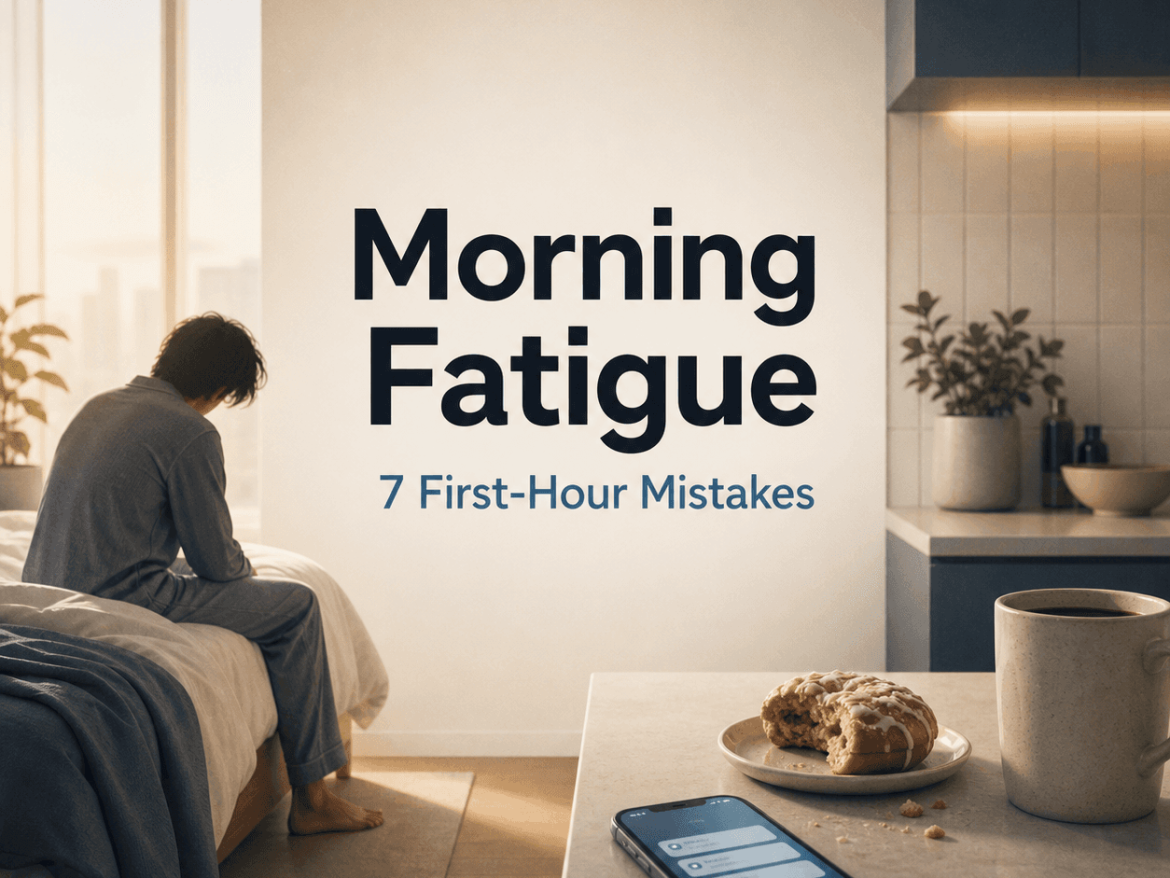
 Not the dramatic, I cannot get out of bed kind (though sometimes it is). More like… you wake up, you technically slept, and yet your body feels heavy. Your brain feels wrapped in cotton. You get moving, but it is like you are pushing a shopping cart with a wobbly wheel through your own kitchen.
And here is the part that trips people up. They assume the answer is always “sleep more.”
Sometimes, sure. But a lot of the time the problem is what happens right after you wake up. The first hour.
Because your body is doing a whole handoff in the morning. Cortisol should rise naturally (that is not a bad word, it is a normal rhythm). Blood sugar should stabilize. Hydration should come back online after the overnight fast. Your nervous system is deciding if today is a safe day or a sprint from a tiger day. And your gut, your thyroid, your adrenals, your liver detox pathways, all the systems functional medicine likes to talk about, they are not separate departments. They are a group project.
So if the first hour is chaotic, your energy often follows that chaos.
Below are 7 common mistakes I see people make in the first hour that quietly create morning fatigue. And I am not saying you need to become a perfect wellness robot. Please do not. Just… pick one or two to fix and see what shifts.
1) You check your phone before your body even knows it is awake
This one is everywhere because it is so normal now it barely registers.
Alarm goes off. You reach for your phone. Notifications. News. Emails. Instagram. A quick scroll that turns into 12 minutes. And suddenly your brain is in reaction mode before your feet hit the floor.
The issue is not moral. It is physiology.
That immediate flood of information can spike stress chemistry, pull you into decision fatigue, and set your nervous system to “busy” instead of “steady.” And if you already struggle with anxiety, poor sleep, blood sugar swings, burnout, perimenopause, or just being a human in 2026, that stress signal hits harder.
What to do instead (still realistic):
- If you can, keep the phone off the bed. Even across the room helps.
- Give yourself 10 to 20 minutes before you open anything with words. Bathroom, brush teeth, open blinds, drink water, stretch, stare into space. Boring. Perfect.
- If you use your phone as an alarm, consider switching to a basic alarm clock. Or at least keep the phone in “sleep” mode with notifications silenced until a set time.
This one change alone can make mornings feel less like you are already behind.
2) You don’t hydrate, then you try to “coffee” your way out of it
Overnight you lose water through breathing and, obviously, through being alive. Mild dehydration in the morning is common, and dehydration can feel like fatigue, brain fog, and even low mood.
Then coffee happens. Coffee is a diuretic for some people, and more importantly it can blunt the fact that your body is asking for fluids first. So you get a temporary lift, but you are still running low.
A simple fix:
- Drink water early. Not as a wellness flex, just as basic biology.
- Aim for 12 to 20 ounces in the first hour. If that feels like too much, start with 8 ounces and build.
- If you wake up with headaches, dizziness when you stand, or strong cravings for salty foods, you might do better adding electrolytes (or a pinch of sea salt and a squeeze of lemon). Not everyone needs that, but many people with fatigue do.
And yes, you can still have coffee. Just do water first. Your body will usually reward you.
3) You start the day with a blood sugar rollercoaster (even if you think you “eat healthy”)
This is a big one in functional medicine because blood sugar instability is one of the fastest ways to create fatigue. Not just later in the day. In the morning too.
Here is what it can look like:
- You wake up, you are not hungry, so you skip breakfast.
- Or you have something that is basically fast carbs: toast, cereal, a muffin, granola, fruit-only smoothie, a fancy coffee drink.
- Your blood sugar spikes.
- Insulin rises to bring it down.
- Then you dip. And that dip often feels like… morning fatigue. Shaky. Irritable. Foggy. Like you need more coffee but it does not really work.
A steadier breakfast (does not have to be complicated):
- Protein + fiber + healthy fat.
- Think eggs with veggies. Greek yogurt with chia seeds and berries. Leftover salmon and greens. A smoothie with protein powder plus nut butter plus fiber (chia/flax) and not just fruit.
- If you are skipping breakfast because you are doing intermittent fasting, you might still do fine. Or you might be forcing a stressed metabolism to run on fumes. This is very individual. If fasting makes you wired then tired, or you crash hard mid morning, that is a clue.
If you want a quick self check, Dr. Lisa Silvani has a “Metabolizm” quiz on her site at lisasilvani.com that can help you see whether your symptoms match a metabolism and energy imbalance pattern. It is a useful starting point, not a label.
4) You go from sleeping to sitting, with zero light and zero movement
Your body is designed to take cues from the environment. Morning light is one of the strongest cues you can give your brain to set circadian rhythm, cortisol timing, and melatonin timing later at night.
When people wake up in dim light, stay inside, sit immediately, and basically live in artificial lighting until noon, the brain gets a weak “daytime” signal. And that can contribute to feeling groggy longer, plus it can mess with sleep quality later. Which becomes… the next morning’s fatigue.
You do not need a 5am bootcamp. You need a small signal.
Try this:
- Open blinds as soon as you can. Let the room get bright.
- Ideally get outdoor light in your eyes within 30 minutes of waking. Even 5 minutes helps. 10 minutes is better. Cloudy days still count.
- Add gentle movement. Walk to the mailbox. Do a few squats. Stretch your calves and hips. Put on music and move like a person waking up, not a person training for the Olympics.
This is one of those annoying recommendations that works because it is so basic.
5) You hit snooze (and you think it gives you more rest)
Snooze sleep is usually not high quality sleep. It is fragmented, and it can make your brain feel more foggy because you keep restarting sleep cycles without finishing them.
Also, if you are snoozing for 30 to 60 minutes, that is a huge chunk of time. It often means you are waking at a time your body did not plan to wake. Or you are not getting enough sleep. Or you have sleep disruption that is not being addressed.
Try this instead:
- Set the alarm for the time you actually need to get up.
- Put the alarm across the room so you have to stand.
- If you are consistently unable to wake without snoozing, do not shame yourself. Get curious. That pattern often correlates with sleep apnea, poor sleep quality, blood sugar dysregulation overnight, alcohol use, late night screens, iron issues, thyroid dysfunction, or chronic stress. Sometimes it is as simple as going to bed earlier. Sometimes it is not.
If you feel like you are doing “everything right” and mornings are still brutal, that is often where a deeper medical and functional medicine workup is worth it.
6) You use caffeine as a replacement for nutrients (and sometimes even as a replacement for breathing)
Caffeine is not the enemy, but it is a tool. And like any tool, it can hide problems.
If you wake up and immediately slam coffee on an empty stomach, a few things can happen:
- Cortisol is already rising naturally in the morning, and caffeine can push that higher.
- Some people get jittery, anxious, or have a mid morning crash.
- It can irritate the gut, especially if you are prone to reflux or loose stools.
- If you are already depleted, caffeine can feel like borrowing energy at a high interest rate.
A more supportive caffeine routine:
- Delay caffeine 60 to 90 minutes after waking if you can. Even 30 minutes helps. (Not a strict rule, just an experiment.)
- Eat something with protein before coffee, or at least alongside it.
- If coffee makes you tired later, consider reducing the dose, switching to half caff, or trying green tea for a while.
And this is a weird one but real. Some people basically do not breathe deeply in the morning. They are shallow breathing, shoulders up, phone in hand. That alone can keep you in a stressed state. Before you reach for caffeine, try 10 slow breaths. In through the nose. Longer exhale. It is not magical. It is just a nervous system reset.
7) You ignore what morning fatigue is trying to tell you (because you’ve normalized it)
This is the quiet mistake. The one that keeps people stuck for years.
If your first thought most mornings is “I need to push through,” you can end up treating fatigue like a personality trait instead of a symptom.
Morning fatigue can be connected to things like:
- Low iron or ferritin (even with “normal” hemoglobin)
- B12 or folate issues
- Vitamin D deficiency
- Thyroid dysfunction (including subclinical patterns)
- Blood sugar dysregulation and insulin resistance
- Perimenopause and menopause hormone shifts
- Sleep apnea or upper airway resistance
- Chronic stress and HPA axis dysregulation (yes, your stress response system)
- Gut issues and inflammation
- Food sensitivities that create sluggishness
- Medications or supplements taken at the wrong time
- Alcohol, even “just a little” at night, for some people
- Mold exposure or environmental токсins, depending on the situation
- Depression, anxiety, and nervous system overload
It is not that every tired person has a major condition. But if you wake up exhausted most days, that is data.
A better approach is: run the basics, look at patterns, and get help if it is not improving.
If you want that kind of root cause approach, this is literally what Dr. Lisa Silvani’s practice focuses on, especially for fatigue, metabolism, and chronic symptoms. You can learn more or book a free consultation through her site at https://www.lisasilvani.com. Sometimes you just need a plan that is tailored, not another generic checklist.
If you want something you can actually follow tomorrow, here is a version that does not require a new personality.
Minute 0 to 5
- Get up. No snooze.
- Bathroom.
- Drink a glass of water.
Minute 5 to 15
- Open blinds or step outside for light.
- Do 2 to 5 minutes of gentle movement. Stretch, walk, anything.
Minute 15 to 45
- Protein forward breakfast (or at least protein first).
- If you want coffee, have it after water and ideally after food.
Minute 45 to 60
- Only now check email and messages if you can.
- Or do one calm task before the digital flood.
Do that for a week and see what changes. Energy is often less about one magic supplement and more about stacking small signals in the right order.
Morning fatigue is not always about sleep quantity. A lot of it is about rhythm. Hydration, light, blood sugar, stress signals, caffeine timing, and the nervous system’s first impression of the day.
Pick one mistake from this list. Fix it for 7 days. Then add another.
And if you have been tired for a long time, like years, and your mornings feel like you are dragging your body uphill every day, it is worth taking it seriously. Your body is not being dramatic. It is trying to communicate.
FAQs (Frequently Asked Questions)
Why do I feel fatigued in the morning even after a full night’s sleep?
Morning fatigue often happens not just because of how much you slept, but what happens right after you wake up. Your body is adjusting cortisol levels, blood sugar, hydration, and nervous system signals. If this ‘handoff’ hour is chaotic—like checking your phone immediately or skipping hydration—it can cause that heavy, foggy feeling even after sleeping.
How does checking my phone first thing in the morning affect my energy levels?
Checking your phone right after waking floods your brain with information and stress signals before your body is fully awake. This spikes stress chemistry and decision fatigue, setting your nervous system to ‘busy’ instead of ‘steady.’ For better mornings, try delaying phone use for 10-20 minutes and keep it away from your bed if possible.
Can dehydration cause morning fatigue and how can I fix it?
Yes, mild dehydration from overnight water loss can cause fatigue, brain fog, and low mood. Drinking 12 to 20 ounces of water within the first hour of waking helps rehydrate your body. If you experience headaches or dizziness upon standing, adding electrolytes like sea salt and lemon can be beneficial. Coffee should come after water to avoid masking dehydration.
Why does my breakfast choice impact my morning energy?
Eating fast carbs like toast or sugary drinks causes blood sugar spikes followed by dips that lead to shakiness, irritability, and brain fog—classic signs of morning fatigue. A balanced breakfast with protein, fiber, and healthy fats (e.g., eggs with veggies or Greek yogurt with chia seeds) stabilizes blood sugar and sustains energy throughout the morning.
Is skipping breakfast a good idea if I want to avoid morning fatigue?
Skipping breakfast can work for some people practicing intermittent fasting but may cause energy crashes in others by forcing a stressed metabolism to run on empty. Listen to your body’s signals; if fasting makes you wired then tired or causes mid-morning crashes, consider adjusting your eating pattern for better energy balance.
How do light exposure and movement affect my morning alertness?
Your body relies on environmental cues like natural morning light to regulate circadian rhythms and hormone timing (cortisol and melatonin). Waking up in dim light without movement or exposure to sunlight weakens these signals, prolonging grogginess and potentially disrupting sleep quality later. Getting outside or near bright windows soon after waking can boost alertness.
References
- Buxton, O. M., & Marcelli, E. (2010). Short and long sleep are positively associated with obesity, diabetes, hypertension, and cardiovascular disease among adults in the United States. Social Science & Medicine, 71(5), 1027-1036. https://doi.org/10.1016/j.socscimed.2010.05.041
- Winger, G., & Kallestad, H. (2020). Cortisol awakening response and its relation to stress in healthy individuals: A systematic review. Psychoneuroendocrinology, 115, 104627. https://doi.org/10.1016/j.psyneuen.2020.104627
- NHS UK. (2023). Dehydration: Symptoms, causes, and treatment. Retrieved from https://www.nhs.uk/conditions/dehydration/
- Ludwig, D. S., & Hu, F. B. (2012). Dietary carbohydrates: Role in blood sugar regulation and metabolic health. The New England Journal of Medicine, 367(14), 1338-1341. https://doi.org/10.1056/NEJMcibr1201376
- St-Onge, M.-P., Wolfe, S., Sy, M., Shechter, A., & Hirsch, J. (2016). Sleep restriction increases the neuronal response to unhealthy food in normal-weight individuals: A functional magnetic resonance imaging study. The American Journal of Clinical Nutrition, 95(4), 818-824. https://doi.org/10.3945/ajcn.113.074043
- Czeisler, C.A., & Gooley, J.J. (2007). Sleep and circadian rhythms in humans: Implications for health and disease management at work and home environments.Nature Reviews Neuroscience, 8(7), 521-529.
- Hyman M., & Fitzgerald K., (2018). The Blood Sugar Solution: The UltraHealthy Program for Losing Weight, Preventing Disease, and Feeling Great Now! Rodale Books.
- National Institute for Health and Care Excellence (NICE). (2021). Managing symptoms of fatigue in adults with complex conditions: evidence-based guidelines.
- Harvard Health Publishing (2021). How light exposure affects your body clock and sleep quality.[Harvard Medical School]. Retrieved from https://www.health.harvard.edu/staying-healthy/how-light-affects-your-body-clock-and-sleep-quality