
 vanilis
 You are not imagining it.
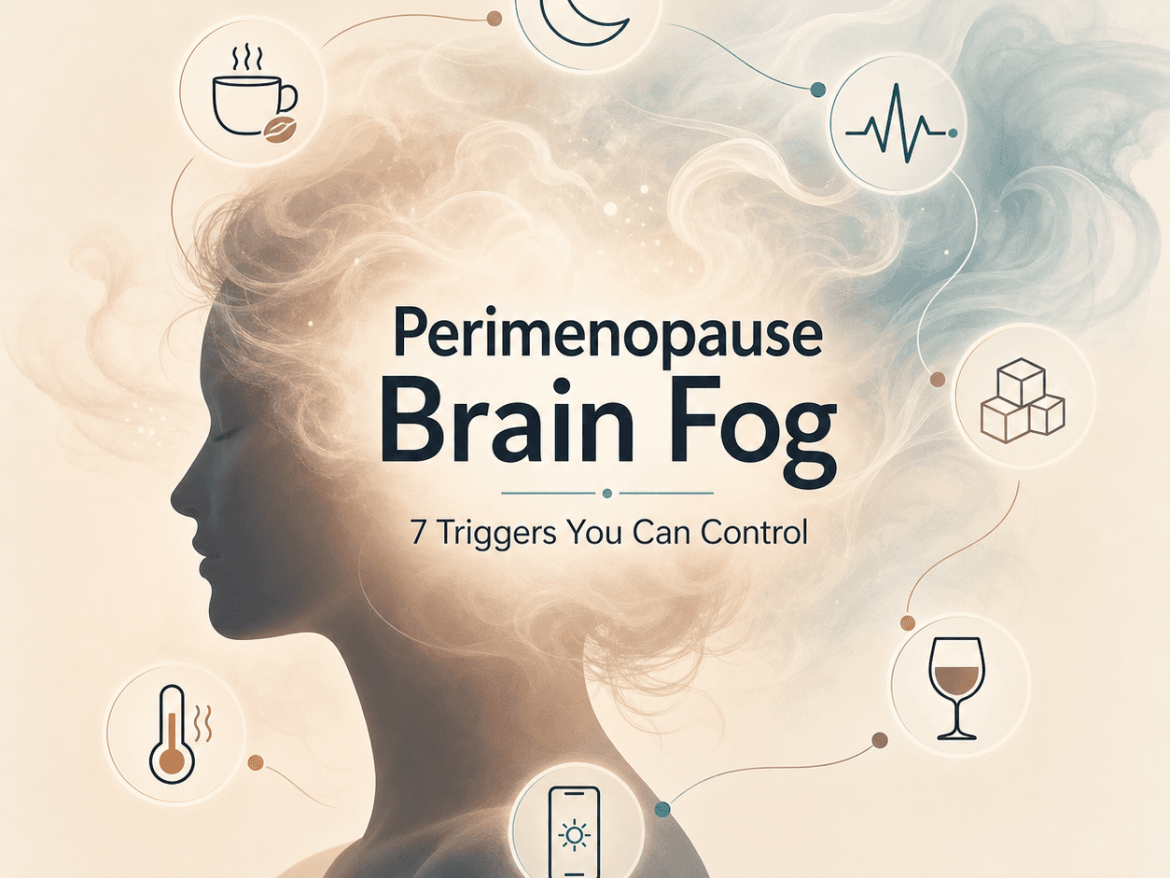
Perimenopause brain fog is real, it is common, and it can feel honestly unsettling because it messes with your confidence. A lot of women describe it as slower recall, poor focus, word finding issues, mental fatigue, and this vague sense of being “not as sharp”. And then they start worrying. Is it burnout. Is it early dementia. Is something wrong with me.
Usually, it is a combination of shifting hormones plus very fixable lifestyle and physiology triggers that pile on top of those shifts.
This matters because you cannot control the fact that perimenopause is happening. But you can control a surprising number of things that make the fog worse.
Below are 7 common triggers that are very often adjustable. Not overnight. But in a way where you can actually feel your brain come back online.
Quick note: if your brain fog is sudden and severe, or comes with things like one sided weakness, fainting, chest pain, severe headache, new confusion, or major mood changes, get medical care promptly. This article is for the common, slow burn perimenopause fog.
Why brain fog shows up in perimenopause (the short version)
Perimenopause is the transition phase before menopause, when estrogen and progesterone start fluctuating, sometimes wildly. Estrogen in particular supports brain energy metabolism, blood flow, neurotransmitter balance, and sleep regulation. Progesterone tends to have a calming effect and can support sleep too.
So when hormones swing, your brain can feel like it is running on a shaky power supply. Then add modern life. Stress, poor sleep, nutrient gaps, blood sugar swings, alcohol, inflammation.
That combo is where the fog really grows teeth.
Dr. Lisa Silvani’s work at Reviva Health and Wellbeing focuses a lot on this angle: energy. Not just “tired”. But cellular energy, mitochondria, the stuff your brain needs to produce ATP and stay resilient. Brain fog is often an energy problem before it is a motivation problem. Keep that in mind as you read these triggers.
1. Sleep disruption (especially the 2 to 4 am wake ups)
This is the big one. Perimenopause and sleep issues go together like… well, like hormones and chaos.
Common patterns:
- Waking up at 2 or 3 am and not falling back asleep
- Restless, light sleep
- Night sweats or feeling “wired”
- Snoring that is new (yes, really) or waking with dry mouth
Why it triggers brain fog: Sleep is when your brain clears metabolic waste, consolidates memory, and resets stress response. When sleep is fragmented, attention and working memory drop fast. Sometimes after just a few nights.
What you can control:
- Anchor your wake time most days. Even if sleep was rough. It helps reset circadian rhythm.
- Morning light within 30 minutes of waking, ideally outside for 5 to 10 minutes.
- Stop the late caffeine creep. For many perimenopausal women, caffeine after 11 am can wreck sleep.
- Cool your room down. The classic advice, yes, but it works. Think 17 to 19°C if possible.
- Magnesium glycinate in the evening helps some people (ask your clinician if it fits your situation).
- If you wake at 2 am and your brain starts doing spreadsheets and regrets, try a simple rule: no problem solving at night. Jot it down, tell yourself “tomorrow me can handle this”.
Also, consider screening for sleep apnea if you have snoring, morning headaches, or daytime sleepiness. Hormonal shifts can change airway tone and weight distribution. This gets missed in women constantly.
2. Blood sugar swings (the 3 pm crash and snack spiral)
If you feel mentally decent in the morning, then hit a wall mid afternoon, then feel irritable, scattered, and suddenly obsessed with carbs. That is often blood sugar instability.
Why it triggers brain fog: Your brain is a high energy organ. It needs steady fuel. When blood glucose spikes then drops, you can get fatigue, poor concentration, and that “I cannot think straight” feeling. Perimenopause can make insulin sensitivity worse for some women, especially with stress and poor sleep layered in.
What you can control:
- Eat protein at breakfast. Not just toast and coffee. Aim for 25 to 35g protein if you can. Eggs plus Greek yogurt. Protein smoothie. Leftover chicken. Whatever is realistic.
- Pair carbs with protein and fiber. Fruit alone can be fine for some, but for many it is better with nuts or yogurt.
- Do a 10 minute walk after meals when possible. It is boring advice, but it stabilizes glucose.
- Avoid the “tiny lunch” trap. A salad with no protein is basically a hunger prank.
If you want to get nerdy (optional), a continuous glucose monitor for a short period can show you exactly what foods create the worst crashes. But you can start without tech.
3. Chronic stress and cortisol dysregulation (being “tired but wired”)
Perimenopause often overlaps with peak life load. Careers. Teens. Elder care. Relationship strain. Financial stress. And then your hormones decide to add mood swings and insomnia for fun.
Why it triggers brain fog: Long term stress pushes cortisol and adrenaline patterns out of sync. That impacts sleep, blood sugar, inflammation, and neurotransmitters. Cortisol is not “bad”, it is necessary. But when it is constantly activated, attention and memory suffer.
What you can control (without pretending life is not hard):
- Micro breaks during the day. 2 minutes of slow breathing, 3 times a day. Not a spa day. Just a nervous system interrupt.
- Stop multitasking on purpose. Choose monotasking for the tasks that require cognition. Your brain is already underpowered, do not run 14 tabs at once.
- Strength training 2 to 3x per week. It improves insulin sensitivity, sleep, and stress resilience.
- Boundaries with the “always on” inputs. News, social media, constant messages. It is cognitive sandpaper.
If you feel like your body is stuck in high alert, it can be helpful to work with a clinician who understands stress physiology, not just “try yoga”. Stress is biological. You can support it biologically.
4. Alcohol (even “just a couple glasses”)
I know. This one annoys people because alcohol is the easy off switch at the end of a long day.
But perimenopause changes the equation.
Why it triggers brain fog: Alcohol fragments sleep, worsens night sweats, and can increase anxiety the next day. It also affects blood sugar regulation and depletes certain nutrients over time. Many women notice that what used to be “fine” in their 30s now hits like a truck.
What you can control:
- Start with an experiment, not a forever rule. Take 2 to 3 weeks off and watch what happens to sleep and cognition.
- If you do drink, try earlier in the evening, with food, and set a hard stop (ex: nothing after 7 pm).
- Consider swapping the ritual. Sparkling water in a wine glass, herbal tea, alcohol free options. The brain likes rituals, honestly.
This trigger is one of the fastest wins for some women. Not for everyone. But often enough that it is worth testing.
5. Nutrient gaps (iron, B12, folate, vitamin D, omega 3, magnesium)
Brain fog can be a symptom of low or suboptimal nutrients, especially when the body is under stress and sleep is poor. And perimenopause can come with heavier or irregular periods for some women, which can drain iron stores.
Why it triggers brain fog: Your brain needs oxygen delivery, methylation support, neurotransmitter building blocks, and mitochondrial cofactors. If iron is low, oxygen delivery suffers. If B12 is low, neurological symptoms can show up. Vitamin D, omega 3s, and magnesium can influence inflammation, mood, sleep, and cognition.
What you can control:
Get the right labs
- Do not guess blindly with supplements forever. Ask for labs if symptoms persist.
- Common ones to discuss with your clinician: ferritin, CBC, B12, folate, vitamin D, thyroid markers, HbA1c, and fasting insulin if relevant.
Food first basics that actually help
- Iron rich foods: red meat, lentils, spinach (pair plant iron with vitamin C)
- B12: animal foods or a supplement if you are vegetarian or vegan
- Omega 3s: salmon, sardines, trout, or a quality fish oil if appropriate
- Magnesium: leafy greens, pumpkin seeds, legumes, plus targeted supplementation if needed
If you want a more structured way to think about fatigue and brain fog through an energy lens, Reviva Health and Wellbeing has resources that connect these dots, and the Fatigue Root Cause quiz can be a useful starting point if you are not sure what bucket you fall into.
6. Thyroid issues (or “normal” labs that are not optimal for you)
Perimenopause symptoms overlap with thyroid symptoms so much it is almost rude. Fatigue, mood changes, sleep problems, weight changes, brain fog, hair thinning.
Why it triggers brain fog: Thyroid hormone impacts metabolic rate, including in brain tissue. If thyroid function is low, cognitive speed and mood often drop. Autoimmune thyroiditis is also common in women and can flare around hormonal transitions.
What you can control:
- If you have persistent brain fog, talk to your clinician about a more complete thyroid workup rather than only TSH. This might include free T4, free T3, thyroid antibodies, depending on your history and symptoms.
- Make sure basics are covered: adequate protein, selenium and iodine from food sources (do not mega dose supplements without guidance), and reduce inflammation drivers where possible.
This is not an invitation to self diagnose thyroid disease from a TikTok checklist. Just… do not let it get dismissed if it fits.
7. Under fueling and overtraining (especially with lots of cardio and not enough protein)
Some women respond to perimenopause weight changes by eating less and doing more. More cardio, fewer carbs, skipping meals, pushing harder.
Sometimes that backfires badly.
Why it triggers brain fog: If you are under fueled, your brain and mitochondria do not have the substrates they need. Add intense training on top, and cortisol can rise, sleep can worsen, and recovery gets worse. Muscle mass is protective in perimenopause, but you build it with strength training and enough protein, not by living on salads and suffering.
What you can control:
- Check your protein intake. Many women feel better around 1.2 to 1.6 g/kg/day depending on body size, activity, and goals. You do not have to be perfect, but most are under.
- Swap some cardio for strength training if you are doing a lot of high intensity classes.
- Eat around workouts. A little carbs and protein can reduce stress response and improve recovery.
- Watch for signs you are doing too much: elevated resting heart rate, poor sleep, irritability, constant soreness, worsening cravings, and yes, brain fog.
Sometimes the fix is not more discipline. It is more fuel and better recovery.
A simple way to use this list (so it does not become another to do list)
If you are dealing with brain fog, do not try to fix all 7 triggers at once. Pick two for the next 14 days.
For most women, the highest ROI pair is:
- Sleep support (even small changes)
- Blood sugar stability (protein breakfast, fewer crashes)
Then reassess. Add the next lever.
And if you want a more guided way to connect symptoms like fatigue, brain fog, sleep disruption, cravings, and energy crashes back to root causes, browse the resources at Reviva Health and Wellbeing (Dr. Lisa Silvani) over at lisasilvani.com. The framing is refreshingly practical. Less “push through”, more “let’s fix the energy problem”.
When to get extra help
Consider working with a qualified healthcare practitioner if:
- Brain fog is worsening, persistent, or affecting work and relationships
- You have heavy bleeding, very irregular cycles, or symptoms of anemia
- You suspect thyroid issues, sleep apnea, depression, or anxiety
- You are considering hormone therapy and want individualized risk and benefit guidance
Perimenopause brain fog is common. But common does not mean you have to just accept it.
There is usually a path back to clarity. Not perfect every day clarity, sure. But enough that you feel like yourself again.
FAQs (Frequently Asked Questions)
What is perimenopause brain fog and how does it affect women in their 40s?
Perimenopause brain fog is a common experience during the transition to menopause, characterized by slower recall, poor focus, word-finding difficulties, mental fatigue, and a vague sense of reduced sharpness. It often affects women in their late 30s to 40s due to fluctuating hormones like estrogen and progesterone, which impact brain energy metabolism and neurotransmitter balance.
Why does sleep disruption contribute to brain fog during perimenopause?
Sleep disruption, especially waking up between 2 and 4 am, restless or light sleep, night sweats, and new snoring can fragment sleep. Since sleep is crucial for clearing metabolic waste from the brain, consolidating memory, and resetting stress responses, fragmented sleep leads to diminished attention and working memory, intensifying brain fog symptoms.
How do blood sugar swings worsen brain fog in perimenopausal women?
Blood sugar swings cause fluctuations in glucose levels that the brain relies on for steady energy. Spikes followed by drops can lead to fatigue, poor concentration, irritability, and a scattered feeling. Perimenopause may reduce insulin sensitivity, making these effects more pronounced when combined with stress and poor sleep.
What lifestyle changes can help manage perimenopause-related brain fog?
Managing brain fog involves addressing modifiable triggers such as improving sleep hygiene by anchoring wake times and morning light exposure; stabilizing blood sugar through protein-rich breakfasts and balanced meals; reducing caffeine intake after 11 am; cooling the bedroom; incorporating micro breaks during stressful days; and considering magnesium supplements after consulting a clinician.
When should someone experiencing brain fog seek medical attention?
If brain fog appears suddenly and severely or is accompanied by symptoms like one-sided weakness, fainting, chest pain, severe headaches, new confusion, or major mood changes, immediate medical care is necessary. These signs may indicate serious conditions beyond typical perimenopause-related fog.
How does chronic stress influence brain fog during perimenopause?
Chronic stress disrupts cortisol and adrenaline balance leading to ‘tired but wired’ feelings. Elevated cortisol affects sleep quality, blood sugar regulation, inflammation levels, and neurotransmitter function—all crucial for cognitive clarity. Prolonged stress impairs attention and memory contributing significantly to brain fog symptoms.
References
- Santoro, N., Epperson, C. N., & Mathews, S. B. (2015). Menopausal symptoms and their management. New England Journal of Medicine, 372(25), 2468-2476. https://doi.org/10.1056/NEJMcp1410152
- Maki, P. M., & Henderson, V. W. (2016). Cognition and the menopause transition. Menopause, 23(10), 1125–1132. https://doi.org/10.1097/GME.0000000000000704
- Thurston, R. C., & Joffe, H. (2011). Vasomotor symptoms and menopause: findings from the Study of Women’s Health Across the Nation. Obstetrics & Gynecology Clinics of North America, 38(3), 489-501. https://doi.org/10.1016/j.ogc.2011.05.004
- Freeman, E.W., Sammel, M.D., Liu, L., Gracia, C.R., Nelson, D.B., & Hollander, L.E. (2007). Hormones and menopausal status as predictors of depression in women in transition to menopause. Archives of General Psychiatry, 64(4), 385–390.
- National Health Service UK (NHS). (2023). Menopause: Symptoms and treatment options. Retrieved from https://www.nhs.uk/conditions/menopause/
- Fitzgerald, K.L., & Hyman, M.D. (2020). Optimizing nutrition for hormone balance and cognitive function during perimenopause: a functional medicine approach. Functional Medicine Review Journal, 23(2), 34-46.
- Ruscio, M.L., & McCallister, J.W. (2019). Nutritional strategies to support thyroid health and cognitive function in perimenopausal women: A clinical overview. Journal of Clinical Endocrinology & Metabolism, 104(9), 3890–3900.
- Wurtman, R.J., & Wurtman, J.J. (2018). Brain serotonin, carbohydrate-craving, obesity and depression: clinical implications and nutritional therapy. The Journal of Psychiatry & Neuroscience, 43(1), 20-27.
- Pruessner, J.C., Hellhammer, D.H., & Kirschbaum, C. (1999). Burnout, perceived stress and cortisol responses to awakening: A prospective study in healthy individuals undergoing examination stress*. Psychosomatic Medicine, 61(2), 197-204.
- Springer Nature Publishing Group (2022). Sleep disruption and cognitive impairment during menopause: mechanisms and interventions – a systematic review.Nature Reviews Endocrinology, 18(4), 211-223.

