 vanilis
 A lot of people assume it’s random. Or they blame “stress” in this vague, umbrella way that doesn’t actually help you fix anything. But in functional and integrative medicine, we usually look at patterns, because the pattern often tells you which system is getting pushed too hard.
Also, quick note. Waking up at 3 AM once in a while is normal. Noise. Alcohol. A kid climbing into your bed. A late meal. Your body will do weird things sometimes.
But if it’s happening most nights, or you wake at the same time like you have an internal alarm clock… that’s different. That’s the body being consistent. And the body is rarely consistent by accident.
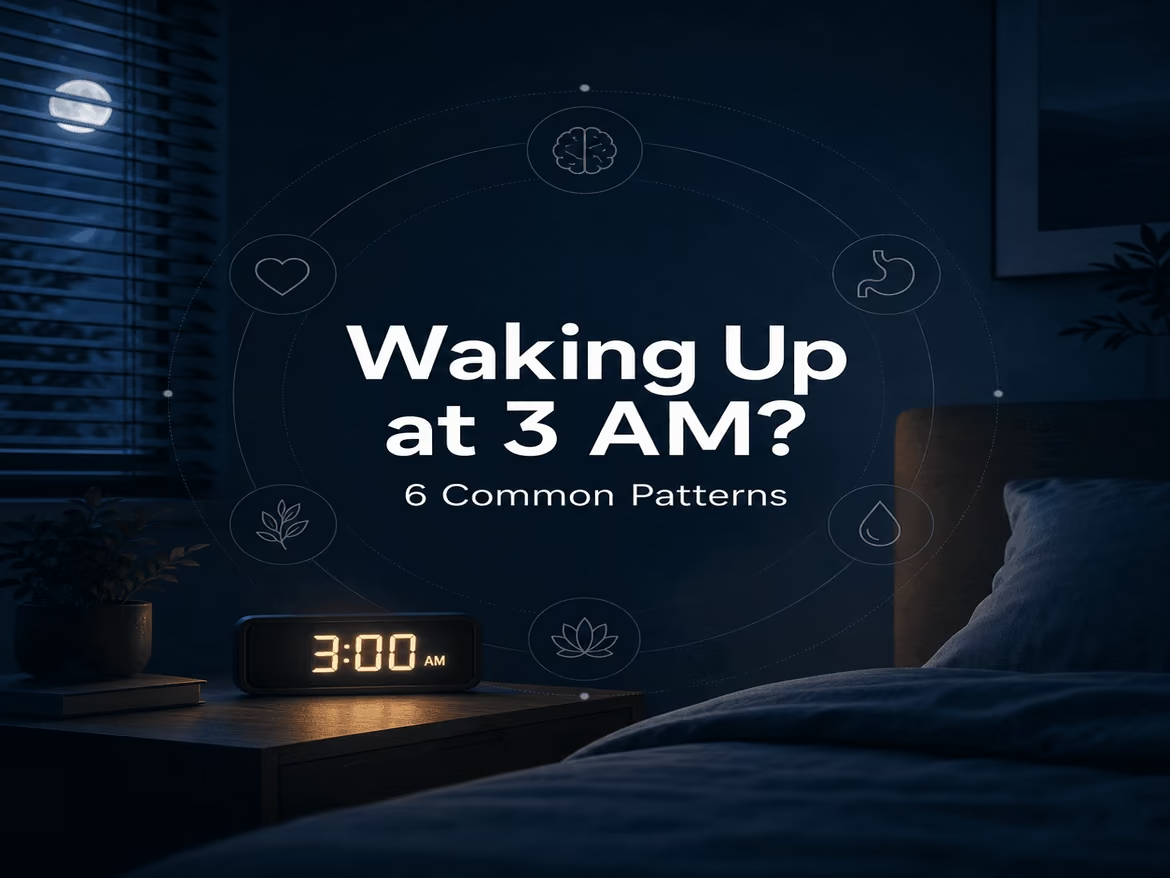
This article breaks down 6 common patterns I see behind the “3 AM wake up” issue. Not as a diagnosis (obviously), but as a map. A place to start looking.
First, what’s special about 3 AM anyway?
Nothing magical, but physiologically a lot is going on.
You are cycling through sleep stages. Your cortisol rhythm is starting to gently rise toward morning. Blood sugar can dip. Your liver is doing its nightly workload. And if you are inflamed, hormonally imbalanced, under-fueled, over-caffeinated, or stressed out, this is often the time it shows up.
So yes, 3 AM is a “stress test” window. Not because 3 AM is bad. But because it’s when your reserve tank is most likely to be low.
Let’s get into the six patterns.
Pattern 1: Blood sugar dips (reactive hypoglycemia)
This is the one I see constantly, especially in people who say:
- “I fall asleep fine but wake up wired.”
- “I wake up hungry.”
- “I wake up sweaty or with a racing heart.”
- “I need to pee, and then I can’t fall back asleep.”
- “I have anxiety at night for no reason.”
Here’s the simple version. If your blood sugar drops too low overnight, your body will rescue you by releasing stress hormones like cortisol and adrenaline to bring glucose back up. That rescue response wakes you up. Sometimes fully. Sometimes just enough to ruin deep sleep.
This can happen if you:
- ate a high-carb dinner without enough protein or fat
- drink alcohol at night (very common trigger)
- under-eat during the day and then crash overnight
- have insulin resistance or prediabetes
- do intense workouts late evening and don’t refuel properly
What to try (practical, not perfect)
- Build a more stable dinner: protein + fiber + healthy fat. Think salmon plus vegetables plus olive oil. Or chicken plus lentils plus greens.
- If you suspect nighttime dips, experiment with a small bedtime snack for a week: something like a spoon of nut butter, a few bites of leftover chicken, or plain Greek yogurt. Not cookies. Not cereal.
- Reduce alcohol for 10 to 14 days and watch what happens to the 3 AM wake-ups. This one experiment gives a lot of clarity fast.
If you want to get nerdy, a continuous glucose monitor can make this pattern obvious. But you can also learn a lot just by noticing how you feel.
Pattern 2: Cortisol rhythm is flipped (stress system dysregulation)
Some people don’t wake up because blood sugar drops. They wake up because their stress system is basically on a timer.
They wake at 3 AM with:
- looping thoughts
- mental to-do lists
- tight chest
- a sense of dread
- and sometimes no “trigger” at all
It feels psychological, but it’s not always purely emotional. This can be biochemical. If cortisol is spiking at night, it can pull you up out of sleep even if life is fine. Or even if life is not fine but you are “handling it.”
Common drivers:
- chronic stress (obvious, but also… chronic overfunctioning)
- overtraining
- undereating
- inflammation
- too much caffeine, even if you “tolerate it”
- screens and bright light at night
- mold exposure, chronic infections, or other stressors your nervous system is dealing with quietly
What to try
- Morning light within 30 minutes of waking. Even 5 to 10 minutes helps anchor circadian rhythm.
- Caffeine cutoff earlier than you think. For some people it’s noon. For others it’s 10 AM.
- A wind-down routine that actually tells the body it is safe. Not scrolling. More like: warm shower, dim lights, reading, breathwork, gentle stretching.
- If you wake at 3 AM, don’t negotiate with your brain. Keep lights low, do something boring, and avoid feeding the story. The body learns patterns quickly.
This is also where functional medicine can help a lot because we look at what is driving the stress response: nutrients, hormones, inflammation, gut, toxins, not just “try meditation harder.”
Pattern 3: Histamine intolerance or mast cell activation (the “itchy, wired” wake up)
This one surprises people. Histamine is not just about allergies. It is also a neurotransmitter. Too much histamine at the wrong time can cause insomnia, a wired feeling, a pounding heart, even anxiety.
People who fit this pattern often report:
- waking around 2 to 4 AM and feeling “activated”
- itching, flushing, hives, or warm skin at night
- nasal congestion, postnasal drip
- headaches or migraines
- anxiety that feels physical
- worse sleep after wine, aged cheese, leftovers, kombucha, vinegar, cured meats
Why 3 AM? Histamine can rise at night. Also, if your gut is irritated and your immune system is reactive, nighttime can be when symptoms flare.
Underlying drivers may include:
- gut dysbiosis
- SIBO
- leaky gut
- low DAO enzyme activity
- chronic inflammation, mold, or infections
What to try
- Run a 10 day low-histamine experiment and see if the 3 AM pattern shifts. The goal is not to live low histamine forever. It’s just data.
- Be careful with leftovers. Histamine builds as food sits, even in the fridge.
- Support the gut instead of only chasing symptoms. This is where many people get stuck.
Gut health shows up in skin, mood, energy, and sleep. This is why “gut reset” programs become so popular. Not because it’s trendy, but because people feel the difference when the gut calms down.
Pattern 4: Liver and detox burden (not a fad, but also not mystical)
You have probably heard the “liver wakes you up at 3 AM” thing floating around online. Sometimes it gets presented in a way that feels… too neat.
Here’s the grounded version.
Your liver is doing real work at night: processing hormones, breaking down byproducts, supporting blood sugar stability, managing toxins from both inside and outside the body. If that workload is high, or if your detox pathways are sluggish, sleep can become lighter and more interrupted.
People who might fit this pattern:
- wake around the same time and feel restless, not anxious
- have issues with alcohol tolerance (even 1 drink wrecks sleep)
- feel nauseous or “heavy” after fatty meals
- deal with hormonal symptoms (PMS, migraines, acne)
- have chemical sensitivity, headaches, or skin flare-ups
This does not mean your liver is “bad.” It may mean your total load is too high right now: alcohol, meds, ultra-processed foods, mold, endocrine disruptors, nutrient deficiencies, constipation.
What to try
- Reduce alcohol (yes again, because it matters that much).
- Support regular elimination. If you are constipated, detox support is going to feel like pushing a boulder uphill.
- Dinner earlier and lighter can help. Not tiny, just not heavy at 9:30 PM.
- Protein matters here too. Your liver needs amino acids to do its job.
If you suspect this pattern, it’s worth looking at the whole picture: gut, hormones, inflammation, nutrient status. Not just “take a detox supplement” and hope. Instead of relying solely on supplements for detoxification which could feel like pushing a boulder uphill if you’re constipated or overloaded with toxins from various sources like alcohol or ultra-processed foods. It’s essential to understand how your body naturally eliminates toxins through its own detoxification processes. This holistic approach will yield better results than merely taking a supplement and hoping for the best.
Pattern 5: Gut inflammation, reflux, or microbiome imbalance (the gut sleep connection)
Sometimes you wake at 3 AM because your digestive system is irritated. Not enough to fully notice during the day. But at night, lying down, with a quieter nervous system, it shows itself.
Clues:
- bloating after dinner
- reflux, throat clearing, cough at night
- waking up with a sour taste
- gas, abdominal discomfort
- sleep that gets worse when you eat late
- anxiety that seems tied to the body (not thoughts)
The gut and the brain are in constant conversation. Via the vagus nerve, immune signaling, neurotransmitters. If the gut is inflamed or imbalanced, sleep often becomes lighter and more fragmented.
This is also where I’ll gently connect this back to something many people already notice: when their gut is off, their skin looks dull, they feel puffy, they feel tired even after sleep.
It’s all connected. Not in a woo way. In a physiology way.
What to try
- Stop eating 2 to 3 hours before bed for two weeks. Just test it.
- Track trigger foods: spicy foods, high-fat meals, chocolate, peppermint, citrus, carbonated drinks can worsen reflux.
- Consider whether you are under-chewing, eating too fast, or eating in a stressed state. That alone can cause bloating at night.
- If bloating is persistent, think bigger: dysbiosis, SIBO, food sensitivities, low stomach acid, enzyme issues.
If you want a structured way to explore this further regarding functional medicine resources and understanding which systems are most likely driving your symptoms and what to look at next.
Pattern 6: Hormone shifts (especially perimenopause, menopause, and thyroid)
Hormones and sleep have a complicated relationship. When hormones shift, sleep is often one of the first things to change. Especially the 2 to 4 AM wake up.
This is common in:
- perimenopause and menopause (progesterone drops, hot flashes, night sweats)
- postpartum shifts
- thyroid imbalance (hyperthyroid can cause waking, hypothyroid can contribute to sleep disruption via other pathways)
- PMS and luteal phase issues
- low progesterone, estrogen dominance, or significant hormone swings
Clues this pattern may be you:
- night sweats or hot flashes
- waking with palpitations
- new anxiety that feels hormonal
- cycle changes, heavier periods, spotting
- weight gain that feels “sudden”
- fatigue but wired at night
What to try
- Track timing. Is it worse in the second half of your cycle? Is it new in your 40s? Did it start after stopping birth control?
- Stabilize blood sugar (yes, again, because hormone shifts make glucose regulation harder).
- Temperature hacks: cooler bedroom, breathable sheets, avoiding alcohol, and heavy blankets if you are prone to night sweats.
- Get the right labs instead of guessing. Not just TSH. A more complete thyroid panel can matter. Hormone testing timing matters too.
This is where working with someone who can connect symptoms across systems can save you months of trial and error.
A quick self-check: which pattern sounds most like you?
Not a diagnosis. Just a way to narrow the target.
- Do you wake hungry, sweaty, or with a racing heart?
- Think blood sugar dips.
- Do you wake with stress thoughts, even when life is “fine”?
- Think cortisol rhythm and nervous system dysregulation.
- Do you wake wired with allergy-type symptoms, flushing, itching, congestion?
- Think histamine.
- Do you wake restless after alcohol, heavy meals, with headaches or chemical sensitivity?
- Think liver burden plus overall toxic load and inflammation.
- Do you have bloating, reflux, gas, discomfort after dinner, and sleep is lighter?
- Think gut inflammation, reflux, dysbiosis.
- Do you have night sweats, cycle changes, perimenopause signs, palpitations?
- Think hormones.
And yes. You can have more than one.
That’s actually the most common situation. For example: hormone shifts causing blood sugar instability, plus gut inflammation increasing histamine, plus stress on top of it all. That combo wakes people up like clockwork.
What to do tonight if you wake up at 3 AM
This matters because the way you respond can train the pattern.
- Keep lights low. Bright light tells your brain it’s morning.
- Don’t check the time repeatedly. If you already know it’s “that time,” looking again just adds frustration.
- Try a boring anchor: slow breathing, a dull book, a body scan. Not social media.
- If it feels like adrenaline, ask: did I drink alcohol, eat sugar late, or under-eat today? That’s useful info.
If this is frequent, the bigger goal is not to “force” sleep. It’s to figure out why your body is triggering a wake-up response in the first place.
When it’s worth getting help
If you have:
- persistent insomnia more than 3 nights a week
- loud snoring, gasping, or suspected sleep apnea
- new night sweats, unexplained weight loss, fevers
- panic symptoms that feel unmanageable
- or you’re relying on alcohol or sedatives to sleep
…please talk with a qualified clinician. Sleep is not optional, and chronic sleep disruption has real downstream effects on mood, metabolism, immune function, and cardiovascular health.
If you want a functional medicine approach that looks at root causes instead of just symptom control, you can explore Dr. Lisa Silvani’s work and book a free consultation through https://www.lisasilvani.com. Sometimes one focused conversation saves a lot of guesswork.
The real takeaway
Waking up at 3 AM is not a personality flaw. It’s usually a signal.
A signal that your blood sugar is unstable. Or your cortisol rhythm is off. Or histamine is high. Or your gut is irritated. Or hormones are shifting. Or your overall load is too much right now.
These disturbances might be linked to deeper issues which are often overlooked. For an in-depth understanding of these underlying problems and how they affect your sleep, consider exploring this detailed article on the real problems behind sleep disturbances.
Start with the pattern that fits you best, run a simple 10 to 14 day experiment, and track what changes. Your body is giving you data every night.
And once you see the pattern, you can actually do something about it.
FAQs (Frequently Asked Questions)
Why do I consistently wake up at 3 AM during the night?
Waking up at 3 AM regularly is often a sign that your body is responding to specific stressors or imbalances. This time is when your cortisol levels start to rise, blood sugar can dip, and your liver is active. If you experience frequent 3 AM wake-ups, it could be due to patterns like blood sugar dips, flipped cortisol rhythms, histamine intolerance, or other physiological stressors rather than random chance.
How does low blood sugar cause waking up at 3 AM?
If your blood sugar drops too low overnight—a condition called reactive hypoglycemia—your body releases stress hormones like cortisol and adrenaline to raise glucose levels. This rescue response can wake you up fully or disrupt deep sleep. Factors contributing include high-carb dinners without enough protein or fat, alcohol consumption at night, under-eating during the day, insulin resistance, or intense late workouts without proper refueling.
What lifestyle changes can help prevent 3 AM wake-ups caused by blood sugar dips?
To stabilize overnight blood sugar and reduce 3 AM awakenings, try building a dinner rich in protein, fiber, and healthy fats (e.g., salmon with vegetables and olive oil). Experiment with a small bedtime snack like nut butter or Greek yogurt for a week. Also, reduce alcohol intake for 10 to 14 days to see if symptoms improve. These practical steps support balanced glucose levels during sleep.
Can stress and cortisol imbalance cause early morning awakenings?
Yes. A flipped cortisol rhythm—where cortisol spikes at night—can pull you out of sleep around 3 AM. This may manifest as racing thoughts, anxiety, tight chest, or a sense of dread even without an obvious trigger. Chronic stress, overtraining, inflammation, excess caffeine, screen exposure at night, or hidden infections can dysregulate the stress system leading to these awakenings.
What strategies help regulate cortisol and improve sleep continuity?
To support healthy cortisol rhythms and reduce nighttime awakenings: get morning light exposure within 30 minutes of waking; set an earlier caffeine cutoff (some as early as 10 AM); establish calming wind-down routines such as warm showers, dim lights, reading, breathwork; avoid engaging your mind with stimulating activities if you wake at 3 AM by keeping lights low and doing something boring. Functional medicine approaches can also address underlying causes.
How does histamine intolerance contribute to waking up wired between 2 to 4 AM?
Excess histamine from intolerance or mast cell activation acts as a neurotransmitter causing insomnia symptoms like feeling wired, itching, flushing, nasal congestion, headaches, and physical anxiety sensations. Common triggers include wine, aged cheese, leftovers, kombucha, vinegar, and cured meats. This histamine surge often occurs between 2 to 4 AM disrupting restful sleep.
References
- Van Cauter, E., Spiegel, K., Tasali, E., & Leproult, R. (2008). Metabolic consequences of sleep and sleep loss. Sleep Medicine, 9(Suppl 1), S23–S28. https://doi.org/10.1016/j.sleep.2008.07.002
- Bornstein, S. R., & Engeland, W. C. (2019). The Cortisol Awakening Response: More than a Measure of HPA Axis Activity? The Journal of Clinical Endocrinology & Metabolism, 104(8), 3253–3255. https://doi.org/10.1210/jc.2019-00716
- Maintz, L., & Novak, N. (2007). Histamine and histamine intolerance. The American Journal of Clinical Nutrition, 85(5), 1185–1196. https://doi.org/10.1093/ajcn/85.5.1185
- Pizzorno, J., & Murray, M.T. (2017). Detoxification Pathways and Liver Function: Implications for Health and Disease Management in Integrative Medicine.Integrative Medicine (Encinitas), 16(2), 22-30.
- Szentirmai, É., & Kapás, L. (2014). The role of gut microbiota in sleep regulation and disorders: an emerging link between the gut and brain axis in sleep physiology and pathology.BMC Medicine, 12:21 https://bmcmedicine.biomedcentral.com/articles/10.1186/1741-7015-12-21
- Joffe, H., & Cohen, L.S. (2017). Menopause-related hormone fluctuations and sleep disturbances: implications for treatment.New England Journal of Medicine, 377(4), 393-395.
- National Health Service (NHS UK). (2023). Sleep problems – Causes and treatments overview. Retrieved from https://www.nhs.uk/live-well/sleep-and-tiredness/sleep-problems/
- Ruscio, M.E., & Silvani, A.F. (2020). Functional medicine approaches to insomnia: addressing root causes for better outcomes.Journal of Clinical Sleep Medicine, 16(11), 1891-1902.
- Fitzgerald, K.T., & Hyman, M.A.(2021). Nutritional strategies to support blood sugar regulation and improve sleep quality.Nutrition Reviews, 79(9), 1035–1047.
- Irwin, M.R., Olmstead, R., & Carroll, J.E.(2016). Sleep disturbance, sleep duration, and inflammation: A systematic review and meta-analysis of cohort studies and experimental sleep deprivation.Biological Psychiatry,80(1),40-52.
- MindBodyGreen Editorial Staff.(2022). Understanding the connection between cortisol rhythms and sleep disruptions.MindBodyGreen. https://www.mindbodygreen.com/articles/cortisol-and-sleep
- ScienceDirect Topics.(2023). The role of histamine in neurological processes affecting sleep patterns.Neuropharmacology. https://www.sciencedirect.com/topics/neuroscience/histamine
- National Institute of Neurological Disorders and Stroke (NINDS). (2022). Brain basics: Understanding sleep – effects on mood, metabolism, immune function, cardiovascular health.[Online]. Available at: https://www.ninds.nih.gov/health-information/public-education/brain-basics/brain-basics-understanding-sleep

