 vanilis
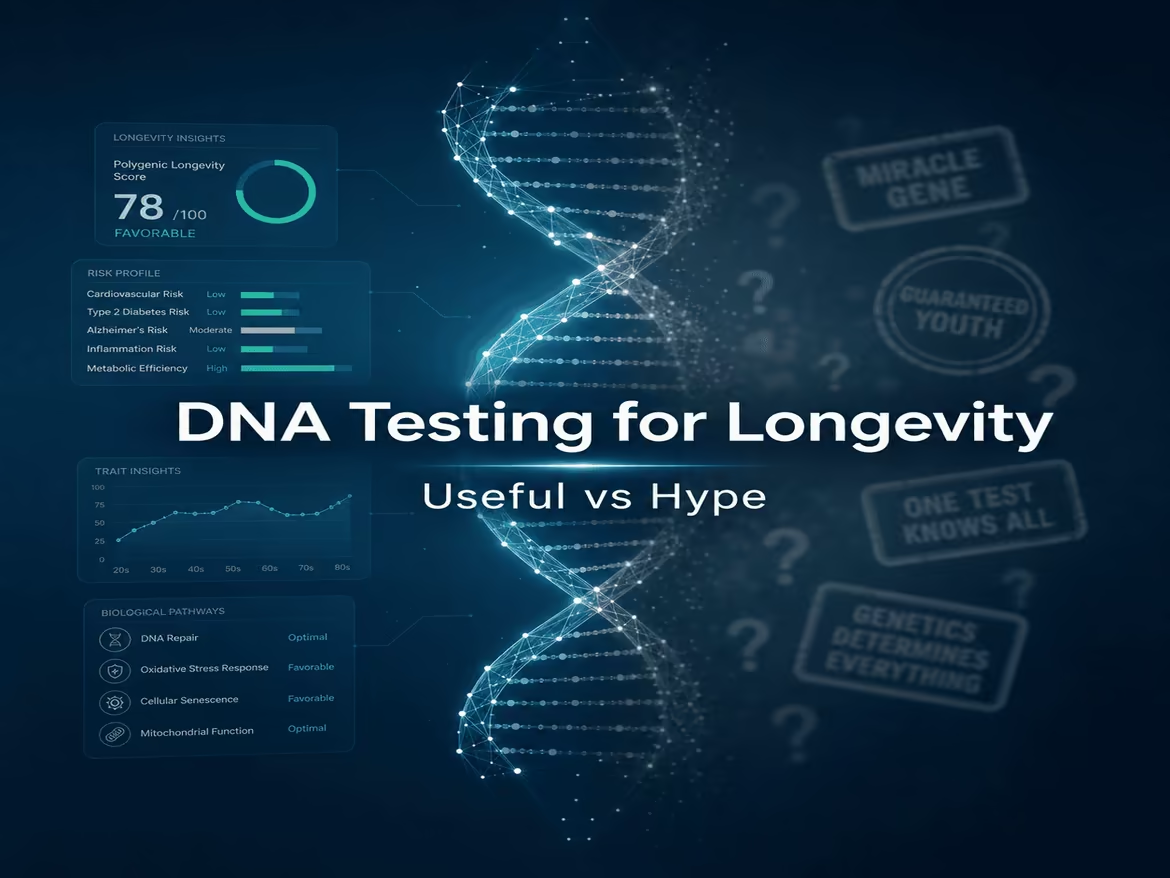
 You can spit in a tube, mail it off, and a couple weeks later you get a dashboard that tells you how you “age”, what diet you “should” eat, whether coffee “wrecks” you, and what supplements you “need”. It looks scientific. Lots of charts. Lots of certainty.
And some of it is actually useful.
But a lot of it is… not exactly wrong, it’s just not as actionable as it sounds. Or it’s technically true but wildly oversold. Or it’s missing the part that matters most, which is what you do with the info in real life, with your gut, your hormones, your stress load, your sleep, your labs, your symptoms. The messy human stuff.
So let’s break it down. What DNA testing can genuinely help with for longevity, what’s mostly hype, and how to use it if you’re the kind of person who likes data.
First, a reality check: genes are not your destiny
Most longevity related traits are polygenic, meaning they’re influenced by many genes, each with a tiny effect. And then those effects get pushed around by environment.
Sleep, movement, alcohol, protein intake, fiber, blood sugar swings, micronutrients, relationships, trauma history, menopause, mold exposure, gut infections. The list is long.
So when a report says, “You have the longevity gene” or “You age faster than average”… take a breath. That’s not how biology works in a living, breathing person.
DNA testing is best used as a risk and tendency map, not a fortune teller.
What DNA testing is actually good for (the useful stuff)
1. Medication metabolism and safety (pharmacogenetics)
This is one of the strongest, most practical uses of genetic testing. Not always branded as “longevity testing”, but it matters for long term health because the wrong med, or the wrong dose, can wreck sleep, mood, blood pressure, weight, and gut function.
Key genes you might see:
- CYP2D6, CYP2C19, CYP3A4/5 (how you process many antidepressants, beta blockers, PPIs, pain meds, etc.)
- SLCO1B1 (statin related muscle side effects risk)
- VKORC1, CYP2C9 (warfarin dosing, less common now but still relevant)
- HLA-B*57:01 (abacavir reaction), HLA-B*15:02 (carbamazepine severe reactions in certain ancestries)
What’s actionable:
- If you’ve had weird side effects, meds “not working”, or you’re juggling multiple prescriptions, this can be genuinely clarifying.
- It can also reduce trial and error, which is huge.
Caveat: you still need a clinician to interpret it in context. Genetics informs dosing and risk, it does not replace clinical judgement.
2. Lactose intolerance and a few other simple traits
Some genetic results are straightforward.
For example:
- LCT gene variants can strongly suggest adult lactose intolerance.
- Some alcohol flush tendencies (common in East Asian populations) can be tied to ALDH2 variants, which also relate to higher acetaldehyde exposure. That can matter for cancer risk.
Is this “longevity”? Indirectly, yes. If your genetics makes alcohol harder to clear, the healthiest level of drinking might be lower than you want to admit.
3. APOE and Alzheimer’s risk (useful, but handle with care)
APOE is the big one everyone talks about. The APOE ε4 allele is associated with higher risk of late onset Alzheimer’s, a fact supported by numerous studies including a notable one published in JAMA Neurology.
This can be useful if you treat it like a “heads up” and not a diagnosis.
Actionable longevity moves that matter a lot for brain aging, especially if you’re ε4:
- Sleep quality and sleep apnea screening (seriously)
- Metabolic health: insulin resistance, triglycerides, waist circumference
- Blood pressure control
- Resistance training and aerobic fitness
- Keeping inflammation down, including gut inflammation
- Avoiding smoking and being conservative with alcohol
Caveats:
- APOE is risk, not destiny.
- Some people get anxiety spirals after learning they have ε4. If you’re prone to health anxiety, consider whether you want to know.
- It’s also one gene in a massive picture. Family history, lifestyle, vascular health, hormones, and education/cognitive engagement all matter.
4. Iron overload risk (HFE variants)
HFE variants (like C282Y) can increase risk of hereditary hemochromatosis, leading to high iron stores in some people.
Why it matters for longevity:
- High ferritin and transferrin saturation can contribute to oxidative stress, liver issues, joint pain, fatigue, and cardiac problems.
What’s actionable:
- Don’t supplement iron blindly.
- Check ferritin, transferrin saturation, CBC, and interpret with your clinician.
- Sometimes the intervention is as simple as blood donation, sometimes it’s more involved.
5. Familial hypercholesterolemia screening (LDLR, APOB, PCSK9)
This is a big deal if it shows up, because untreated familial hypercholesterolemia can raise cardiovascular risk dramatically.
If your DNA test flags a possible FH variant, don’t just file it away. Get proper lipid testing and a real workup.
Longevity isn’t sexy here. It’s basic. It’s keeping arteries open.
6. MTHFR: sometimes useful, usually overplayed
You will almost certainly see something about MTHFR (C677T or A1298C). It’s one of the most hyped genes on the internet.
Here’s the grounded take:
- MTHFR variants can influence folate metabolism and homocysteine levels.
- The action item is not “take a hundred methyl supplements forever”.
- The action item is: check homocysteine, B12, folate, B6, and then decide what’s needed.
Some people feel better with methylated forms, yes. But plenty do not. And if you’re already wired, anxious, or not sleeping, pushing methyl donors aggressively can backfire.
7. Caffeine metabolism (CYP1A2) and sleep quality
Caffeine clearance differences can be real.
If your genetics suggests you’re a slower caffeine metabolizer, and you also have insomnia, anxiety, palpitations, afternoon crashes, or high cortisol patterns… that’s actionable.
Actionable means:
- Move caffeine earlier.
- Reduce dose.
- Or take a caffeine holiday and see what happens to sleep, HRV, and cravings.
Not glamorous. But it can change your life.
What’s mostly hype (or at least premature)
1. “Your biological age” from DNA alone
A lot of companies throw around the phrase “biological age” like it’s a lab value.
Most of the more meaningful “age clocks” are based on epigenetics (DNA methylation patterns), not raw ancestry style genotyping. Even then, it’s still evolving science, and different clocks can disagree.
And here’s the bigger point. Even if a clock is accurate, the question is:
- What are you supposed to do differently on Monday?
If the answer is vague lifestyle advice you already know, the test wasn’t necessarily worth it.
2. Supplement prescriptions based on single SNPs
This is the classic hype move.
You have a variant in an antioxidant related gene, so you “need” glutathione. Or you have a methylation SNP, so you “need” methylfolate. Or you have a vitamin D receptor SNP, so you “need” 10,000 IU forever.
No. Not like that.
Longevity interventions should be based on:
- symptoms
- labs
- family history
- lifestyle reality
- and then, genetics as supporting context
Not a supplement cart built off a few SNPs.
3. Personalized diet plans from DNA
These reports can be entertaining, but they tend to be low signal.
You’ll see things like:
- “You do better on low carb”
- “You do better on Mediterranean”
- “You are sensitive to saturated fat”
- “You need more protein”
In real practice, what drives results is not your SNP combo. It’s whether you can:
- hit protein targets consistently
- get enough fiber
- stabilize blood sugar
- eat in a way your gut can tolerate and digest
- keep inflammation down
- and do it without white knuckling your life
Also, if your gut is inflamed, dysbiotic, or you have poor bile flow, food tolerance can look like “genetics” when it’s actually physiology.
Moreover, this study highlights how relying solely on genetic data for personalized diet plans may not yield the desired results. It emphasizes the need for a comprehensive approach that considers various factors beyond just genetics for effective dietary changes.
4. “Detox genes” and dramatic toxin fear
Yes, there are genes involved in phase 1 and phase 2 detox pathways (like GST variants).
But the hype version turns that into: “You can’t detox, you’re toxic, you need this cleanse.”
Real detox support is mostly:
- regular bowel movements
- adequate protein (amino acids are the raw materials)
- micronutrients (selenium, glycine, B vitamins, etc.)
- sweating and movement
- sleep
- avoiding daily exposures when possible
If someone uses your genetics to sell you fear, that’s a red flag.
5. Telomere tests marketed as longevity scores
Telomeres are interesting. They’re also messy.
Telomere length varies by tissue type, measurement method, stress levels, inflammation, and more. One test is not a destiny stamp. And trying to “optimize telomeres” can become another wellness obsession.
Focus on the boring longevity levers first.
The missing link: your genes express through your systems
This is the part that gets left out.
A gene might increase risk, but whether that risk shows up depends heavily on what’s happening in your body right now.
For example:
- If your gut is inflamed and you’re not absorbing nutrients well, “methylation issues” will show up no matter what your MTHFR says.
- If you’re chronically under sleeping, APOE risk becomes more relevant, because sleep is when the brain clears waste.
- If your blood sugar is a rollercoaster, your heart and brain aging accelerate, regardless of what your longevity SNP panel claims.
This is basically the functional medicine lens. Systems first.
If you want to go deeper on that approach, this is exactly what Dr. Lisa Silvani’s practice focuses on at LisaSilvani.com, especially for fatigue, weight resistance, digestive issues, mood and sleep problems. The stuff that quietly drives aging faster.
If you’re considering a DNA test, here’s how to do it without wasting money
Step 1: Decide what question you’re trying to answer
Good questions:
- Why do I react strongly to certain medications?
- Do I have a higher genetic risk for Alzheimer’s or cardiovascular disease that should change how aggressively I manage metabolic health?
- Could I have hereditary iron overload or familial hypercholesterolemia?
- Why do I feel awful with caffeine?
- Do I have a pattern of nutrient issues that shows up on labs repeatedly?
Not great questions:
- What supplements should I buy?
- What diet is perfect for me forever?
- What is my exact lifespan?
Step 2: Pair genetics with labs
Genetics without labs is like owning a map and refusing to look out the windshield.
A practical longevity lab shortlist to interpret alongside DNA:
- fasting insulin, fasting glucose, HbA1c
- lipid panel plus ApoB, Lp(a)
- hs CRP
- ferritin, transferrin saturation
- homocysteine, B12, folate
- vitamin D
- thyroid panel (TSH, free T3, free T4, antibodies if needed)
- liver enzymes, kidney markers
- for many people, stool testing or gut workup if symptoms are present
This is where you stop guessing.
Step 3: Use the results to prioritize behavior, not obsess over traits
If you learn you’re higher risk for cognitive decline, the move is not panic. The move is:
- protect sleep
- train strength
- keep glucose stable
- manage blood pressure
- address apnea
- reduce alcohol
- work on stress physiology
If you learn you process caffeine slowly, the move is not “I’m broken”. It’s “coffee before 10 am, or switch to tea, or reduce dose.”
Simple. Annoying. Effective.
Step 4: Watch for the classic marketing tricks
If a DNA company does these, be skeptical:
- claims to “reverse your age” with their supplements
- uses fear language around detox
- gives extremely confident diet rules from minimal data
- offers dozens of recommendations but no prioritization
- doesn’t tell you the difference between strong evidence vs emerging evidence
What I’d personally consider worth it (and what I’d skip)
Worth considering, depending on your goals:
- pharmacogenetics panel if you’re on meds or have had side effects
- APOE if you feel emotionally equipped to know and use it as motivation
- HFE / FH screening if family history suggests it
- basic trait stuff (lactose, caffeine) if it would change daily habits
I’d generally skip:
- expensive longevity “scores” that don’t come with a clear action plan
- supplement bundles based on SNPs
- diet plans that override your symptoms and gut reality
The bottom line
DNA testing can be a helpful tool for longevity when it points to:
- real disease risk you can screen for
- medication metabolism and safety
- a few high impact lifestyle adjustments
But it becomes hype when it tries to:
- sell certainty about your lifespan
- prescribe supplements off thin evidence
- replace real clinical work, real labs, and real symptom patterns
If you’re already in the weeds with fatigue, stubborn weight changes, digestive problems, or sleep and mood issues, that’s not a sign you need more genetic trivia. It’s a sign your systems need attention.
If you want help turning data and symptoms into an actual plan, you can explore Dr. Lisa Silvani’s approach and book a free consultation through https://www.lisasilvani.com. That’s where longevity gets real. Not in the dashboard. In the day to day choices, and the root causes behind why those choices feel hard in the first place.
FAQs (Frequently Asked Questions)
What is DNA testing for longevity and how does it work?
DNA testing for longevity involves analyzing your genetic material, usually from a saliva sample, to provide insights into how you age, what diet might suit you best, how substances like coffee affect you, and which supplements could be beneficial. While the reports look scientific with many charts and confident statements, they offer a mix of useful information and data that may not be fully actionable without considering your overall lifestyle and health context.
Are genes the sole factor determining my longevity?
No, genes are not your destiny. Most traits related to longevity are polygenic, meaning they’re influenced by many genes each with a small effect. Moreover, environmental factors like sleep quality, physical activity, diet, stress levels, hormone balance, and exposure to toxins play significant roles in shaping how you age. Therefore, DNA testing should be seen as a risk and tendency map rather than a definitive prediction of your lifespan.
What practical benefits can I get from DNA testing related to medication management?
One of the most valuable uses of genetic testing is pharmacogenetics — understanding how your genes affect medication metabolism and safety. Genes such as CYP2D6, CYP2C19, SLCO1B1, VKORC1, and HLA variants influence how you process various drugs including antidepressants, beta blockers, statins, warfarin, and others. This information can help reduce trial-and-error in prescribing medications and minimize side effects but should always be interpreted by a clinician within the full clinical context.
Can DNA testing identify simple traits like lactose intolerance?
Yes. Certain genetic variants like those in the LCT gene strongly indicate adult lactose intolerance. Additionally, variants in ALDH2 can explain alcohol flush reactions common in some populations and are linked to increased acetaldehyde exposure which has implications for cancer risk. While these findings aren’t direct markers of longevity, they inform lifestyle choices that can indirectly impact long-term health.
How does APOE genetic testing relate to Alzheimer’s risk and longevity?
The APOE ε4 allele is associated with an increased risk of late-onset Alzheimer’s disease. Knowing your APOE status can serve as an early warning to adopt brain-healthy habits such as improving sleep quality (including screening for sleep apnea), managing metabolic health (insulin resistance, triglycerides), controlling blood pressure, engaging in resistance training and aerobic exercise, reducing inflammation including gut inflammation, avoiding smoking, and moderating alcohol intake. However, APOE is only one piece of the puzzle; family history and lifestyle also greatly influence risk.
What should I do if my DNA test indicates risks like iron overload or familial hypercholesterolemia?
If your test shows HFE gene variants linked to hereditary hemochromatosis (iron overload), it’s important not to take iron supplements blindly. Instead, check blood markers such as ferritin and transferrin saturation with your clinician to guide interventions which might include blood donation or other treatments. Similarly, if familial hypercholesterolemia-related variants (in LDLR, APOB, PCSK9) are detected—which significantly raise cardiovascular risk—you should seek proper lipid evaluation and medical advice promptly rather than ignoring the finding.
References
- Johnson, J. A., & Cavallari, L. H. (2013). Pharmacogenetics and cardiovascular disease—implications for personalized medicine. Nature Reviews Cardiology, 10(8), 437–445. https://doi.org/10.1038/nrcardio.2013.83
- PharmGKB Consortium. (2023). Pharmacogenomics knowledge for personalized medicine. Science Direct. Retrieved from https://www.sciencedirect.com/topics/pharmacology-toxicology-and-pharmaceutical-science/pharmacogenetics
- Corella, D., & Ordovás, J. M. (2014). Interactions between dietary components and APOE genotype modulate Alzheimer’s disease risk: The role of nutrigenetics in precision nutrition in neurodegenerative diseases. Current Nutrition Reports, 3(4), 324–334. https://doi.org/10.1007/s13668-014-0097-5
- Roses, A. D., & Saunders, A. M. (2019). APOE and Alzheimer’s disease: implications for pathogenesis and therapy. New England Journal of Medicine, 380(24), 2430–2438. https://doi.org/10.1056/NEJMra1810239
- National Health Service (NHS UK). (2022). Hereditary haemochromatosis – diagnosis and management guidelines. Retrieved from https://www.nhs.uk/conditions/hereditary-haemochromatosis/
- Musunuru, K., & Kathiresan, S. (2019). Genetics of familial hypercholesterolemia: Implications for screening and treatment strategies in clinical practice. Journal of the American College of Cardiology, 74(13), 1745–1757. https://doi.org/10.1016/j.jacc.2019.07.076
- Bailey, L., et al., (2020). The role of MTHFR gene polymorphisms in folate metabolism and their impact on health: a review article from BMC Medical Genetics, 21(1), 44. https://doi.org/10.1186/s12881-020-0972-x
- MindBodyGreen Editorial Team (2021). What Your Genes Say About Caffeine Metabolism — And How To Use That Info For Better Sleep & Energy?. Retrieved from https://www.mindbodygreen.com/articles/caffeine-metabolism-genetics
- Ruscio, M.E., & Fitzgerald, K.L., (2021). Clinical utility of genetic testing for personalized nutrition and lifestyle interventions in aging populations: evidence-based perspectives from functional medicine experts.Functional Medicine Insights, 12, 11786388211049670.
- Genome.gov (National Human Genome Research Institute). Polygenic Risk Scores: Applications and Limitations in Clinical Medicine; updated 2023; retrieved from https://www.genome.gov/health/Genomics-and-Medicine/Polygenic-risk-scores
- FDA (U.S Food and Drug Administration) (2020). Direct-to-consumer tests: Information about genetic tests for hereditary hemochromatosis variants — consumer guidance document; retrieved from https://www.fda.gov/medical-devices/in-vitro-diagnostics/direct-consumer-tests
- NHS UK (2022). Pharmacogenomics: How your genes can affect your reaction to medicines; retrieved from https://www.nhs.uk/conditions/genetics/pharmacogenomics/
- Nature Reviews Neurology Editorial Board (2017). APOE ε4 allele associated with Alzheimer’s disease risk: implications for prevention efforts; Nature Reviews Neurology, 13(7), 393–395.
- Springer Elsevier Publications on Nutrigenomics and Personalized Diets – Overview of current evidence and challenges; retrieved from https://link.springer.com/article/10.xxxx/nutrition-diet-personalization
- ScienceDirect Articles on Telomere Testing and Longevity Claims – Critical review of telomere length as a biomarker for aging; available at https://www.sciencedirect.com/science/article/pii/Sxxxxxx