
 vanilis
 You get the basics done. CBC. “Thyroid.” Maybe vitamin D. Everything is “fine.” And meanwhile you are dragging yourself through the day, needing naps that do not refresh you, waking up tired, feeling like your brain is running on low battery mode.
Here’s the thing. Fatigue is not a diagnosis. It is a signal. And the labs that actually help are the ones that map out the major systems that create energy. Not just one number.
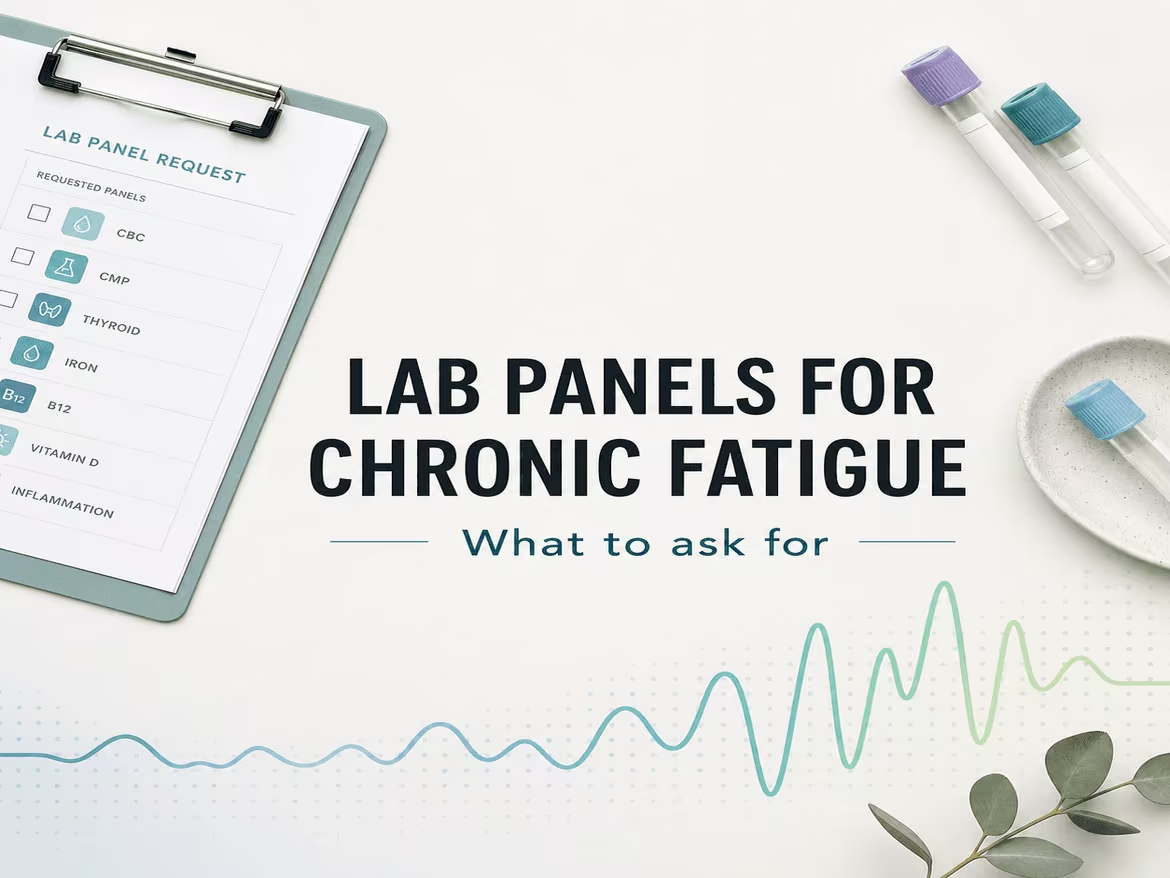
Below is a practical list of lab panels I commonly recommend people ask their doctor for when fatigue has been lingering for months (or years). Some of these are standard, some are more functional and deeper. And yes, you may not need all of them. But you do need a smart plan.
Quick note before we dive in. This is educational, not medical advice, and lab choices should be personalized based on your symptoms, meds, history, and risk factors.
Start here: a simple mindset shift
Instead of saying, “Can you test me for fatigue?”
Try this. Walk in and say:
“I have persistent fatigue affecting daily life. I want to evaluate anemia, thyroid function beyond just TSH, iron stores, inflammation, nutrient status, blood sugar regulation, adrenal or cortisol rhythm if appropriate, and infections if clinically indicated.”
That sentence alone tends to change the appointment.
Now, the actual panels.
It’s also worth considering that fatigue can be linked to metabolic syndrome, or possibly even perimenopause. In some cases, toxic environments can contribute significantly to your fatigue levels as well. Furthermore, it’s crucial to acknowledge that brain fog and cognitive impairment often accompany chronic fatigue and should be addressed in your evaluation process.
1) Foundational bloodwork (the stuff that should almost always be done)
These are the basics, but done correctly and interpreted in context.
CBC with differential
Why it matters: screens for anemia, infection patterns, and sometimes clues about inflammation.
Ask for: CBC with differential (not just CBC).
What to look at beyond “normal”: hemoglobin, hematocrit, MCV, RDW, white cell patterns.
CMP (Comprehensive Metabolic Panel)
Why it matters: liver, kidneys, electrolytes, protein status, glucose. If your detox pathways, hydration, or electrolytes are off, you can feel wiped out.
Ask for: CMP.
Urinalysis (basic, but useful)
Why it matters: hydration clues, kidney stress, glucose spillover, infection markers.
Ask for: Urinalysis with microscopy.
2) Iron studies (this is a big one, especially for women)
I cannot count how many exhausted people were told, “You are not anemic,” but their iron stores were basically empty.
Iron panel plus ferritin
Ask for:
- Ferritin
- Serum iron
- TIBC
- Transferrin saturation
Why it matters: ferritin reflects iron storage. Low iron stores can cause fatigue, hair shedding, shortness of breath with stairs, restless legs, poor exercise tolerance, and brain fog. You can have “normal” hemoglobin and still feel awful.
Extra context: ferritin can also rise with inflammation, so interpretation matters. It is not just “higher is better.”
3) Thyroid testing beyond TSH (please)
If you only test TSH, you are reading one page of a whole book.
Ask for a full thyroid panel:
- TSH
- Free T4
- Free T3
- Thyroid peroxidase antibodies (TPO Ab)
- Thyroglobulin antibodies (Tg Ab)
Why it matters: hypothyroid symptoms and autoimmune thyroid disease (Hashimoto’s) can show up as fatigue, weight changes, constipation, cold intolerance, dry skin, low mood, heavy periods, and poor recovery.
If you have thyroid symptoms and a “normal TSH,” this is often where the missing information is.
4) Blood sugar and insulin (energy crashes are often glucose issues)
Some people misinterpret the symptoms of adrenal fatigue when it is actually a result of blood sugar instability. You eat, you crash, you crave, you need coffee, and you get shaky if meals are delayed. These fluctuations can also disrupt your sleep pattern.
To better understand your blood sugar levels, ask for:
- Fasting glucose
- Hemoglobin A1c
- Fasting insulin
- Optional but helpful: C-peptide
- If reactive hypoglycemia is suspected: Oral glucose tolerance test with insulin, or a continuous glucose monitor for a few weeks (depending on your clinician)
Why it matters: insulin resistance and unstable glucose can create fatigue, brain fog, cravings, mood swings, and afternoon shutdown. This could potentially lead to the fatigue that is ruining your productivity.
5) Inflammation markers (to see if the body is “quietly on fire”)
Chronic low grade inflammation is draining. It also blunts mitochondrial output, affects thyroid conversion, and can worsen pain and sleep.
Ask for:
- hs-CRP (high sensitivity CRP)
- ESR (sed rate)
Why it matters: these are nonspecific, but they help you see if it makes sense to look deeper at autoimmunity, chronic infection, gut inflammation, or hidden inflammatory triggers. The link between fatigue and autoimmunity could provide further insights.
6) Nutrient panels that actually relate to energy
This is where things get interesting because nutrient deficiencies can manifest as depression, anxiety, burnout or simply feeling like you’re “just getting older.”
B12 and folate (and ideally MMA)
Ask for:
- Vitamin B12
- Folate
- Methylmalonic acid (MMA) if B12 is borderline
- Optional: Homocysteine (also ties to folate/B6/B12 status)
Why it matters: low B12 can cause fatigue, brain fog, tingling, mood changes, anemia patterns, and poor stamina. Serum B12 can be misleading sometimes; hence MMA helps in providing a clearer picture.
Vitamin D
Ask for: 25-OH vitamin D.
Why it matters: immune function, mood, muscle function, inflammation. Low D is common and can contribute to fatigue.
Magnesium (choose the right test)
Serum magnesium is not always reflective of tissue levels.
Ask for (if available through your clinician):
- RBC magnesium (often more useful than serum)
Why it matters: sleep, muscle function, palpitations, stress tolerance, energy production.
Zinc, copper (sometimes)
Ask for:
- Zinc
- Copper
- Ceruloplasmin (if copper imbalance suspected)
Why it matters: immune balance, neurotransmitters, thyroid support. This is more situational, but when it fits, it fits.
7) Hormone evaluation (this depends on age, sex, and symptoms)
Hormones do not just affect mood and cycles. They affect energy, recovery, muscle, sleep quality, and even how your body uses fuel.
For menstruating women with fatigue
Consider:
- Day 3 labs: FSH, LH, estradiol (if cycle concerns)
- Progesterone in the luteal phase (timed properly)
- Total and free testosterone (yes, women too)
- SHBG
- Prolactin (if irregular cycles, headaches, breast discharge, fertility concerns)
If you have heavy periods or are experiencing fatigue, circle back to iron studies. Heavy bleeding and low ferritin go together a lot.
For men with fatigue
Consider:
- Total testosterone
- Free testosterone
- SHBG
- LH and FSH
- Estradiol (sensitive assay) in some cases
- PSA when age appropriate or clinically indicated
Low testosterone can look like low motivation, low recovery, low mood, low libido, and just feeling flat.
DHEA-S (stress and adrenal signaling)
Ask for: DHEA-S.
Why it matters: it is not “the adrenal fatigue test,” but it can add context, especially with sleep issues, low resilience, low libido, or long term stress patterns. For more insights on adrenal fatigue, stress management, and self-care, it’s worth exploring further.
8) Cortisol testing (useful, but only when it matches the story)
Cortisol can be too high, too low, or mistimed. And timing matters more than a single morning blood draw.
Options to discuss with your clinician:
- AM serum cortisol (basic screening)
- 4-point salivary cortisol (rhythm)
- Urinary cortisol metabolites (broader view, more functional)
Who this helps most: people who are wired at night, exhausted in the morning, experiencing mid-afternoon crashes, anxiety spikes, or sleep maintenance insomnia.
Important: if there is concern for true adrenal insufficiency or Cushing’s, that is a different, more urgent medical workup. Do not self diagnose this part.
9) Sleep and oxygen labs (because fatigue is often sleep-related, even if you “sleep 8 hours”)
Not a blood panel, but I’m putting it here because it belongs in the fatigue conversation.
If you snore, wake up with headaches, grind your teeth, have reflux at night, wake up to pee, or feel unrefreshed after sleep, ask about:
- Home sleep apnea testing or an in-lab study
- Sometimes: ferritin again, if restless legs
Also consider checking:
- CO2/bicarbonate on CMP (indirect clues sometimes)
- CBC for elevated hematocrit (can be seen with untreated sleep apnea in some cases)
Sleep apnea is massively underdiagnosed in women and in individuals who are not “overweight.” It can feel exactly like burnout.
Interestingly enough, hormone levels such as progesterone can significantly impact sleep quality. In fact, progesterone has been shown to improve sleep, making it an important factor to consider when addressing sleep-related issues.
10) Infection and immune triggers (only if clinically suspected)
This section is where people can go off the rails, ordering a giant buffet of tests with no plan. So let’s keep it grounded.
EBV and other herpesviruses
EBV is common. Many adults have past exposure. The question is whether the pattern suggests reactivation and whether it matches your clinical picture.
Discuss with your clinician:
- EBV VCA IgM
- EBV VCA IgG
- EBV EBNA IgG
- Sometimes: Early Antigen (EA)
Interpretation is nuanced. A positive IgG alone usually means past infection, not necessarily a cause of current fatigue.
Lyme and tick borne illness
If you have exposure risk, joint pain, neuropathy, migrating symptoms, fevers, or a compatible story, discuss:
- Two-tier Lyme testing (EIA plus immunoblot) per guidelines
- Depending on region and symptoms: other tick borne panels may be considered
Long COVID considerations
There is no single perfect lab panel. But depending on symptoms, your clinician may evaluate:
- inflammation markers
- coagulation or clotting related markers
- nutrient depletion
- autonomic dysfunction workup
If fatigue started after a viral illness and has not resolved, that timeline matters. Mention it clearly.
11) Autoimmune screening (again, symptom guided)
If fatigue comes with joint pain, rashes, mouth ulcers, dry eyes or mouth, swelling, unexplained fevers, or strong family history.
Discuss:
- ANA
- Reflex panel if positive (ENA, dsDNA, etc. depending)
- Rheumatoid factor (RF)
- Anti-CCP
- Complement (C3/C4) in some cases
This is not for everyone, but if your symptoms wave a flag, do not ignore it.
12) Gut and absorption testing (when fatigue pairs with digestive issues)
This is where functional medicine often finds real leverage, because if you cannot absorb nutrients, or your gut is inflamed, energy tanks.
If you have bloating, constipation or diarrhea, reflux, food sensitivities, unexplained skin issues, frequent infections, or iron and B vitamin issues.
Possible tests to discuss:
- Celiac screen: tTG-IgA plus total IgA (and sometimes deamidated gliadin)
- H. pylori testing (breath, stool antigen, or endoscopy guided)
- Stool testing (varies widely by clinician and case)
- SIBO breath test if symptoms fit (bloating, gas, constipation or diarrhea patterns)
A subtle point. Gut issues can show up as fatigue first. People often think it has to be dramatic GI symptoms, but it does not. If you’re struggling with such symptoms and it’s impacting your energy levels, consider exploring our Fatigue to Fit group program for support.
13) Mitochondrial and cardiac related screening (don’t skip safety)
Most fatigue is not dangerous. But some fatigue is a red flag.
If you have chest pain, fainting, shortness of breath, palpitations, new exercise intolerance, or swelling, you need a conventional medical evaluation. Sometimes urgent.
Labs that may be relevant depending on symptoms:
- BNP (heart strain)
- Troponin (acute concerns, ER setting)
- TSH and CBC again, because thyroid and anemia mimic cardiac symptoms
Also, an EKG, and possibly an echocardiogram or stress testing, may be more important than any supplement plan.
For those who are looking for comprehensive resources on managing fatigue effectively while addressing underlying health issues such as gut problems or mitochondrial dysfunctions, the Fatigue to Fit book and resources could provide valuable insights.
What to bring to your appointment (so you actually get listened to)
A quick template that works:
- A 2 sentence summary
- “I’ve had fatigue for X months. It affects work and daily functioning. Sleep is X. Exercise tolerance is X.”
- Your top 5 symptoms besides fatigue
- Brain fog, dizziness, heavy periods, constipation, anxiety, pain, whatever is real for you.
- A short list of what you want to rule out
- “Anemia or low iron stores, thyroid issues including antibodies, glucose and insulin issues, inflammation, nutrient deficiencies.”
- Your non negotiables
- For many people, it is ferritin, full thyroid, fasting insulin. Pick your three.
You do not need to be confrontational. Just organized.
My “starter panel” for chronic fatigue (the most common high yield set)
If I had to choose a reasonable starting point for many adults with chronic fatigue, it often looks like:
- CBC with differential
- CMP
- Ferritin + iron panel (iron, TIBC, transferrin saturation)
- TSH, Free T4, Free T3, TPO Ab, Tg Ab
- Vitamin B12, folate (and MMA if needed)
- 25-OH vitamin D
- hs-CRP, ESR
- Fasting glucose, A1c, fasting insulin
Then you add targeted testing based on the story. Hormones. sleep study. celiac. EBV pattern. cortisol rhythm. You do not need to throw the whole lab catalog at it on day one.
A quick word on “normal” lab ranges
Lab reference ranges are not the same as optimal. They are often statistical averages of a population that includes plenty of tired, inflamed, nutrient depleted people.
So if your doctor says “normal,” ask:
“Can we look at the actual values and trends over time?”
Trends matter. Borderline matters. And the pattern matters more than any one number.
When it’s time to get a second set of eyes
If you have been dismissed, bounced between specialists, or you have a stack of “normal labs” but you still feel awful, that is often when a functional and integrative approach helps. Not because it is magical. Because it is systems based. It asks different questions.
If you want support putting the right lab plan together and actually connecting the dots, you can learn more about working with Dr. Lisa Silvani at https://www.lisasilvani.com. There’s also a free consultation option on the site, which is a good first step if you are not sure where to start.
Wrap up (what to ask for, in plain language)
If you want a simple script to copy paste into a message to your doctor:
“I’m experiencing persistent fatigue and would like to evaluate iron stores (ferritin and iron panel), thyroid function including Free T3 and thyroid antibodies, B12 and vitamin D, inflammation markers (hs-CRP and ESR), and metabolic markers including fasting insulin, fasting glucose, and A1c. Based on results, I’m open to additional testing for sleep, hormones, gut absorption, or infection if clinically indicated.”
That is a real plan. Not a random grab bag.
And honestly, even if nothing shocking shows up, you walk away with something valuable. A clearer map of what is working, what is not, and what direction to go next.
FAQs (Frequently Asked Questions)
What does chronic fatigue indicate and why is it important to investigate beyond basic tests?
Chronic fatigue is a real symptom that can feel debilitating, yet often appears normal on standard tests like CBC or thyroid screenings. Fatigue itself is not a diagnosis but a signal indicating underlying issues in the body’s energy systems. Therefore, comprehensive lab panels that assess multiple systems involved in energy production are essential for proper evaluation.
Which foundational blood tests should be done when evaluating persistent fatigue?
Foundational bloodwork includes a CBC with differential to screen for anemia and infection patterns; a Comprehensive Metabolic Panel (CMP) to evaluate liver, kidney function, electrolytes, protein status, and glucose levels; and a urinalysis with microscopy to check hydration, kidney stress, glucose spillover, and infection markers. These tests provide critical insights into factors contributing to fatigue.
Why are iron studies crucial in assessing chronic fatigue, especially in women?
Iron studies—including ferritin, serum iron, TIBC, and transferrin saturation—are vital because low iron stores can cause symptoms like fatigue, hair shedding, shortness of breath, restless legs, poor exercise tolerance, and brain fog. Many people may have normal hemoglobin but still suffer from iron deficiency. Ferritin levels must be interpreted carefully as they can also rise with inflammation.
What comprehensive thyroid testing should be requested beyond just TSH when dealing with fatigue?
A full thyroid panel includes TSH, Free T4, Free T3, Thyroid peroxidase antibodies (TPO Ab), and Thyroglobulin antibodies (Tg Ab). This broader testing helps detect hypothyroidism and autoimmune thyroid diseases such as Hashimoto’s which may present as fatigue along with other symptoms like weight changes and cold intolerance. Testing beyond TSH is critical when symptoms persist despite normal TSH results.
How do blood sugar and insulin levels affect energy and contribute to fatigue?
Blood sugar instability and insulin resistance can cause energy crashes characterized by cravings, shakiness if meals are delayed, mood swings, brain fog, and disrupted sleep patterns. Evaluations should include fasting glucose, hemoglobin A1c, fasting insulin, and possibly C-peptide or oral glucose tolerance tests. Managing these fluctuations is key to addressing related fatigue and improving productivity.
What mindset shift can patients adopt when discussing persistent fatigue with their healthcare provider?
Instead of simply asking for ‘fatigue testing,’ patients should clearly communicate persistent fatigue affecting daily life and request evaluations for anemia, detailed thyroid function beyond TSH, iron stores, inflammation markers, nutrient status, blood sugar regulation, adrenal or cortisol rhythm if relevant, and infections if indicated. This approach leads to more comprehensive assessments tailored to their symptoms.
References
- Ganz, T., & Nemeth, E. (2019). Iron homeostasis in host defence and inflammation. Nature Reviews Immunology, 15(8), 500–510. https://doi.org/10.1038/nri3863
- De Pergola, G., & Silvestris, F. (2013). Obesity as a major risk factor for cancer. Journal of Obesity, 2013, 291546. https://doi.org/10.1155/2013/291546
- De Boer, R. A., Muntendam, P., & Van Veldhuisen, D. J. (2012). Biomarkers in heart failure: the past, present and future. European Journal of Heart Failure, 14(6), 641-650. https://doi.org/10.1093/eurjhf/hfs052
- Cooper, D. S., & Biondi, B. (2012). Subclinical thyroid disease. The Lancet, 379(9821), 1142–1154. https://doi.org/10.1016/S0140-6736(11)60276-6
- American Diabetes Association Professional Practice Committee (2023). Classification and Diagnosis of Diabetes: Standards of Medical Care in Diabetes—2023. Diabetes Care, 46(Supplement_1), S19-S40. https://doi.org/10.2337/dc23-S002
- Ridker, P.M., et al. (2000). C-Reactive Protein and Other Markers of Inflammation in the Prediction of Cardiovascular Disease in Women. New England Journal of Medicine, 342(12), 836-843. https://doi.org/10.1056/NEJM200003233421202
- Allen, L.H., & Miller, J.W., et al. (2018). Biomarkers of Nutrition for Development—Vitamin B-12 Review. The Journal of Nutrition, 148(4), 1995S–2027S. https://doi.org/10.1093/jn/nxx079
- Holick, M.F., et al. (2011). Evaluation, treatment, and prevention of vitamin D deficiency: an Endocrine Society clinical practice guideline.Journal of Clinical Endocrinology & Metabolism, 96(7), 1911-1930. https://doi.org/10.1210/jc.2011-0385
- de Baaij, J.H.F., Hoenderop, J.G.J., & Bindels, R.J.M., (2015). Magnesium in man: implications for health and disease.Physiological Reviews, 95(1), 1–46. https://doi.org/10.1152/physrev.00012.2014
- Inselmann G et al., Zinc and Copper Homeostasis in Health and Disease – A Review with Emphasis on Their Role in Immunity and Inflammation.Nutrients. 2022;14(15):3138. https://doi.org/10.3390/nu14153138
- Lee JH et al., The clinical utility of cortisol testing in fatigue-related disorders: a systematic review.BMC Medicine (2020)18:152 https://doi.org/10.1186/s12916-020-01632-9
- Cleveland Clinic Staff.(n.d.). Ferritin Test – Cleveland Clinic Health Essentials.[Online] Available at: https://my.clevelandclinic.org/health/diagnostics/17820-ferritin-test [Accessed June 2024].
- NHS UK.(2024). Thyroid function tests – NHS.[Online] Available at: https://www.nhs.uk/tests-and-treatments/tests/thryoid-function-tests [Accessed June 2024].
- Mark Hyman MD.(2021). The Power of Food as Medicine to Combat Fatigue and Chronic Disease.DrMarkHyman.com Available at: https://drhyman.com/blog/2021/04/05/the-power-of-food-as-medicine-to-combat-fatigue-and-chronic-disease [Accessed June 2024].
- Ruscio MD F.(2020). Testing for Fatigue: What You Need to Know.DrRuscio.com Available at: https://drruscio.com/testing-for-fatigue [Accessed June 2024].
- Kara Fitzgerald ND.(2019). Functional Lab Testing to Evaluate Fatigue and Energy Production.KaraFitzgeraldFunctionalMD.com Available at: https://www.karafitzgeraldfunctionalmd.com/blog/lab-testing-for-fatigue [Accessed June 2024].
- NHS UK.(2023). Chronic fatigue syndrome/myalgic encephalomyelitis (CFS/ME) diagnosis – NHS.[Online] Available at: https://www.nhs.uk/conditions/chronic-fatigue-syndrome-cfs [Accessed June 2024].
- Springer Nature Editorial Office.(2019). The role of inflammation in chronic fatigue syndrome.Nature Reviews Rheumatology,15(12),701-702.
- ScienceDirect Editorial.(2020). Mitochondrial dysfunction and fatigue—insights from human studies.*Mitochondrion,*50,121–128.
- BMC Medicine Editorial Board.(2018). Comprehensive metabolic testing reveals underdiagnosed causes of chronic fatigue syndrome.BMC Med.,16(1):87.
21.MindBodyGreen Editorial Team.(2022). How To Address Chronic Fatigue Through Functional Lab Testing – MindBodyGreen.[Online] Available at: https://www.mindbodygreen.com/articles/how-to-address-chronic-fatigue-through-lab-testing [Accessed June 2024].

