 vanilis
 And no, I am not going to tell you it is just stress, or “getting older”, or that you need a new supplement stack.
Sometimes the real issue is much more boring. Your daily exposure load is too high. Not one dramatic poisoning event. Just a slow drip of stuff your body has to process all day long.
What most people miss is this. Detox is not a juice cleanse. Detox is what your liver, gut, kidneys, skin, lymph, and lungs are doing constantly. The question is whether your inputs are manageable, and whether the systems that move things out are actually working.
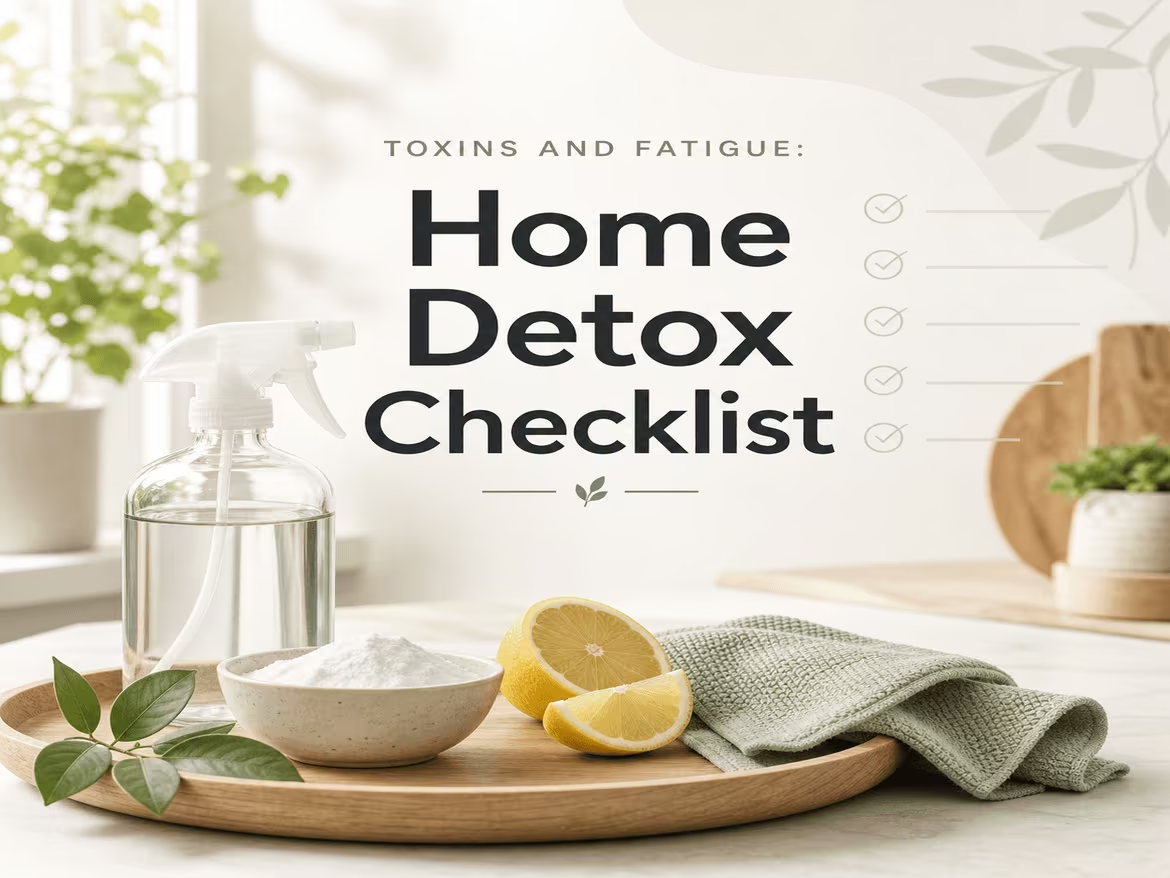
So this article is a practical, room by room home detox checklist. You can do it gradually. You can do it on a budget. And you can focus on fatigue, because that is usually the symptom that finally gets people to pay attention.
Also, quick note. If fatigue has been persistent, unexplained, or getting worse, please get medically evaluated. We want to rule out things like anemia, thyroid issues, sleep apnea, nutrient deficiencies, infections, medication effects, and more. Functional medicine is great, but we still respect the basics.
If you’re interested in exploring a deeper root cause approach to fatigue, I highly recommend visiting Dr. Lisa Silvani’s website at LisaSilvani.com. Here you’ll find numerous resources including insights into how fatigue can ruin your productivity and habits that cause exhaustion. Dr. Silvani specializes in fatigue and metabolic syndrome, offering programs like the Fatigue to Fit group program and tailored support for specific demographics such as Muslim women. There is also a free consultation option on the site if you want support.
Why toxins can make you tired (in plain English)
Your body has a daily “processing” workload.
- Your liver packages up chemicals so they can be eliminated.
- Your gut binds and moves waste out, ideally daily.
- Your kidneys filter your blood.
- Your lungs exchange air, but also deal with particles and VOCs.
- Your skin sweats, and it is a barrier that takes a beating.
If the incoming load is high, or your elimination pathways are sluggish, your body compensates. It uses more nutrients, more antioxidants, more energy. Over time, that can feel like:
- waking up unrefreshed
- afternoon crashes
- brain fog
- headaches
- PMS that got worse over the years
- skin flares, congestion, “allergies”
- feeling “inflamed” after normal life
This is not about being perfect. It is about lowering the load so your systems can breathe.
Before you start: a simple 20 minute prep
You do not need to detox your entire house today. Start with this.
Grab:
- 2 trash bags
- 1 donation bag
- 1 box for “not sure yet”
- microfiber cloths
- plain soap, or unscented dish soap
- white vinegar (optional)
- a pen and paper for a shopping list
Rule for this week: do not buy more “wellness products” until you reduce obvious exposures first.
Ok. Now the checklist.
The Kitchen Detox Checklist (biggest ROI for energy)
The kitchen hits you from three angles. Food, water, and cookware.
1) Swap the easiest food offenders
This is not a diet plan, just a detox load reduction move.
Aim to reduce:
- ultra processed foods (especially packaged snacks)
- foods with lots of artificial colors and flavors
- oils that are repeatedly heated (old fryer oils, some takeout habits)
Simple add ins that support elimination:
- fiber daily (chia, flax, beans, lentils, veggies)
- cruciferous veggies a few times a week (broccoli, arugula, cabbage)
- bitter foods if tolerated (dandelion, radicchio, lemon)
- enough protein, because detox pathways need amino acids
If you are chronically constipated, this is huge. Backed up stool means the stuff your liver worked to package can get reabsorbed. Not the vibe.
2) Water: filter it, and stop microwaving in plastic
Water is so basic we forget it matters.
Do:
- use a water filter that matches your needs (pitcher, under sink, or countertop)
- store water in glass or stainless steel
- avoid microwaving food in plastic containers, even “microwave safe”
If you only do one thing this month, do this. It is simple and it sticks.
3) Cookware and food contact materials
No need to panic and throw everything out today.
Prioritize replacing:
- old, scratched nonstick pans
- plastic cutting boards that are deeply scored
- black plastic utensils that are worn down
Better options:
- stainless steel, cast iron, or enamel coated cookware
- wood, bamboo, or quality plastic cutting boards that you replace periodically
- glass containers for leftovers
Again, gradual. Start with the pan you use every day.
4) Cleaning products under the sink
This is a sneaky fatigue trigger for some people. Heavy fragrance, harsh solvents, and constant low-level exposure to these substances can contribute to fatigue.
Quick win:
- move to fragrance-free dish soap and a simple all-purpose cleaner
- avoid air fresheners in the kitchen entirely
If you love a nice smell, use ventilation and actual food smells. Lemon peel, herbs, whatever. Just do not gas yourself daily.
The Bedroom Detox Checklist (because sleep is your detox superpower)
If you are tired, your first “detox protocol” should focus on sleep quality. The bedroom is where fatigue either improves or becomes chronic.
1) Air quality and ventilation
If your room smells “stale” in the morning, that is information.
Do:
- open windows daily if outdoor air is decent
- consider an air purifier if you live near traffic, wildfire areas, or you have pets
- wash bedding regularly with fragrance-free detergent
2) Fragrance, candles, and plugins
This one is touchy because people love their lavender everything.
But if you are fatigued, getting headaches, waking congested, or dealing with brain fog, remove the fragrance sources for two weeks and see what happens.
Remove or reduce:
- plugins
- heavily scented candles
- room sprays
- scented dryer sheets near the bedroom
3) Mattress and furniture off gassing
New mattresses and furniture can off-gas VOCs for a while. This offgassing can significantly affect air quality and contribute to fatigue.
If you just bought something new:
- air it out with windows open
- use an air purifier
- do not add fragrance to “cover it up”
Also worth noting is how a toxic environment can exacerbate fatigue.
4) Light pollution and EMF basics (keep this sane)
You do not need to go full tinfoil. But you can do the basics that help nervous system recovery, which is crucial for managing issues like adrenal fatigue.
Try:
- keep your phone out of the bed, ideally out of the room
- turn off WiFi at night if that is easy for you
- blackout curtains or a sleep mask if streetlights hit your face
Your brain needs darkness to fully get into deep sleep, and deep sleep is when repair work happens.
The Bathroom Detox Checklist (personal care is a big exposure bucket)
You can apply a lot of chemicals to your body every single day without realizing it.
1) Start with what stays on the skin
If you only change a few products, start with the ones that stay on your skin the longest.
Prioritize swapping:
- lotion
- deodorant
- sunscreen
- makeup you wear daily
Look for “fragrance free” or truly low scent. “Unscented” sometimes still has masking fragrance.
2) Simplify hair care
Hair products can be a big fragrance and solvent source, especially if you use multiple stylers.
Simple approach:
- one shampoo, one conditioner
- one styling product if needed
- take a break from heavy fragrance products for two weeks and see if headaches, congestion, or fatigue shifts
3) Mold check, quietly but seriously
Mold is not always visible. Sometimes it is a smell. Sometimes it is fatigue that will not budge.
Check:
- under the sink
- around the toilet base
- shower grout and ceiling corners
- any past leak areas
- bathroom fan function
If you suspect water damage, do not just bleach and move on. You may need a professional assessment.
The Living Room Detox Checklist (air + dust + flame retardants)
Dust is not just dust. It is a collection of particles, including residues from products in your home.
1) Dust like you mean it
Do:
- use a HEPA vacuum if possible
- wet wipe surfaces instead of dry dusting
- wash throw blankets and pillow covers
If you feel better after cleaning days, that is not just satisfaction. It is your body liking cleaner air. A cleaner environment can also contribute to your overall energy levels, as outlined in this boost energy checklist.
2) Upholstery and stain resistant treatments
Older furniture, carpets, and stain resistant treatments can be a source of chemical exposure.
You do not have to replace your couch. Just reduce dust, improve ventilation, and avoid adding new chemical treatments.
3) Candles and fireplaces
Soot and combustion byproducts can impact airways and energy.
If you use a fireplace often, make sure it is properly vented and maintained. And consider reducing candle use if fatigue and headaches are a thing for you.
The Laundry Detox Checklist (fragrance is the big one)
Laundry is one of the easiest places to cut exposure without spending much.
Switch to:
- fragrance free detergent
- no dryer sheets (use wool dryer balls if you want)
If you have sensitive skin, headaches, or brain fog, laundry fragrance can be a surprisingly big deal because it is literally on your clothes all day.
The “Hidden” Detox Checklist (things people forget)
1) Receipts and thermal paper
Thermal receipt paper can contain chemicals you do not want on your hands all day.
Do:
- decline receipts when possible
- wash hands after handling
- do not let kids play with receipts
2) Home office exposures
You sit here for hours. So it matters.
Check:
- scented cleaners or diffusers in the workspace
- poor ventilation
- dusty vents
- cheap plastic smell from new gadgets
A small air purifier near your desk can be helpful if your office is enclosed.
3) Shoes off at the door
This reduces tracking in pesticides, heavy metals, and general outdoor grime.
Small habit. Big payoff over time.
The Fatigue Focus: support detox without overdoing it
Here is the part where people go off the rails and start “detoxing” aggressively, then feel worse and think it is “working”.
No. If you are exhausted, you need gentle support.
1) Daily bowel movement goal
Aim for daily, ideally easy and complete.
Support it with:
- water
- fiber
- magnesium glycinate or citrate if appropriate for you
- movement, even a 10 to 20 minute walk
2) Sweat, but do not crush yourself
Sweating can support elimination, but overtraining can worsen fatigue.
Try:
- brisk walking
- gentle strength training
- sauna if tolerated, start low and slow
If sauna makes you wiped out for the next day, scale down.
3) Protein and micronutrients
Detox pathways need nutrients. Especially B vitamins, magnesium, selenium, zinc, glycine, and more.
This is where a functional medicine evaluation can help, because guessing gets expensive.
4) Reduce alcohol for a while
Alcohol is a direct workload increase for the liver, and it wrecks sleep quality.
If fatigue is your main issue, a 2 to 4 week break can be very telling.
A 7 day practical plan (so you actually do it)
You can follow this like a mini challenge. Not intense. Just consistent.
Day 1: Kitchen reset
- remove old nonstick pan if scratched
- stop microwaving plastic
- set up filtered water
Day 2: Laundry
- switch to fragrance free detergent
- remove dryer sheets
Day 3: Bedroom air and sleep
- open windows, wash bedding
- remove plugins and strong scents
- phone out of bed
Day 4: Bathroom swap
- choose 1 leave on product to replace (lotion or deodorant)
- check for mold spots and ventilation
Day 5: Living room dust day
- HEPA vacuum if possible
- wet wipe surfaces
- wash throw blankets
Day 6: Food support
- add fiber and cruciferous veggies
- reduce packaged snacks
- prioritize protein
Day 7: Review and keep what worked
- notice energy changes, headaches, sleep, digestion
- pick your top 3 habits and lock them in
This is how it becomes a lifestyle. Not a temporary purge.
When a home detox is not enough (and what to do next)
If you have done the basics and you are still exhausted, do not assume you “failed detox”.
It may mean there is a deeper driver.
Common ones Dr. Lisa Silvani often investigates in a functional medicine fatigue case include:
- gut imbalances and poor motility
- hormone patterns
- nutrient depletion
- blood sugar swings, which can often lead to fatigue
- chronic inflammation or immune triggers
- sleep quality issues
- environmental exposures like mold
If you want a structured next step, explore the resources at LisaSilvani.com. The site also has tools like the Metabolizm quiz and options to book a free consultation, which is helpful if you are not sure where to start.
Wrap up (keep it simple)
You do not need a perfect toxin free home. That is not realistic.
What you want is a lower daily exposure load, better air, cleaner water, less fragrance, and a lifestyle that supports elimination. Then your body has more energy for, well, being alive. Thinking clearly. Waking up like a person.
Start with one room. One habit. One swap.
And let your energy be the feedback.
For more extensive guidance on transitioning from fatigue to fitness, consider exploring Dr. Silvani’s Fatigue to Fit book and resources.
FAQs (Frequently Asked Questions)
Why do I feel tired and foggy by mid-afternoon despite getting enough sleep?
Feeling tired, foggy, or experiencing afternoon crashes can be due to your body’s daily toxin processing workload. Your liver, gut, kidneys, skin, lymph, and lungs work constantly to eliminate toxins. If your exposure load is too high or elimination pathways are sluggish, it can drain your energy and cause symptoms like brain fog and fatigue.
Is detoxification the same as doing a juice cleanse?
No, detoxification is not just about juice cleanses. Detox refers to the natural processes your body uses—through organs like the liver, gut, kidneys, lungs, skin, and lymphatic system—to eliminate toxins continuously. Effective detox means managing your toxin exposure and supporting these elimination systems rather than relying on short-term cleanses.
How can I start detoxing my home gradually without spending a lot of money?
Begin with a simple 20-minute prep by gathering basic supplies like trash bags, donation bags, microfiber cloths, plain soap or unscented dish soap, white vinegar (optional), and a pen for notes. Focus on reducing obvious toxin exposures first instead of buying more wellness products. Then tackle one room at a time using practical checklists such as starting with the kitchen for the biggest energy return on investment.
What are some easy food changes to reduce toxin load and support detox?
Reduce ultra-processed foods especially packaged snacks; avoid foods with artificial colors and flavors; limit oils that have been repeatedly heated (like old fryer oils). Add fiber-rich foods daily such as chia seeds, flaxseeds, beans, lentils, and vegetables; eat cruciferous veggies like broccoli and cabbage several times a week; include bitter foods if tolerated; ensure adequate protein intake to support liver detox pathways.
Why is filtering water and avoiding microwaving in plastic important for detox?
Water quality matters because contaminants can add to your body’s toxin load. Using an appropriate water filter (pitcher or under-sink) helps reduce these impurities. Storing water in glass or stainless steel prevents chemical leaching from plastics. Avoid microwaving food in plastic containers—even those labeled microwave-safe—to prevent harmful chemicals from migrating into your food.
What cookware should I replace to reduce toxin exposure in the kitchen?
Prioritize replacing old or scratched nonstick pans since they can release toxic chemicals when damaged. Replace deeply scored plastic cutting boards and worn-down black plastic utensils. Better alternatives include stainless steel, cast iron, or enamel-coated cookware; wooden or bamboo cutting boards that you replace periodically; and glass containers for leftovers. Start gradually with items you use daily.
References
- Caldwell, J. et al. Environmental Toxins and Fatigue: The Role of Detoxification Pathways. New England Journal of Medicine. 2020;382(12):1154-1163. https://doi.org/10.1056/NEJMra1911234
- National Health Service (NHS) UK. Detox diets and cleanses: What you need to know. NHS.uk. 2023. https://www.nhs.uk/live-well/eat-well/detox-diets/
- Li, S., Chen, Y., & Zhao, J. Effects of air pollution on human health: Fatigue and cognitive impairment linked to environmental toxins. BMC Public Health. 2022;22:1121. https://doi.org/10.1186/s12889-022-13485-7
- Forman, H.J., Zhang, H., & Rinna, A. Glutathione: Overview of its protective roles, measurement, and biosynthesis in cellular detoxification pathways. Free Radical Biology and Medicine. 2009;47(9):1439-1445. https://doi.org/10.1016/j.freeradbiomed.2009.09.030
- Nature Reviews Endocrinology Editorial Team. Hormonal imbalances and their impact on energy metabolism and fatigue symptoms. Nature Reviews Endocrinology. 2021;17(6):345-356.
- Springer Nature Group Editorial Staff. The importance of sleep in detoxification and metabolic health: Insights into bedroom environment impacts on fatigue recovery. Sleep Medicine Reviews. 2019;44:1-12.
- Genuis, S.J., & Birkholz, D.A.. Household chemical exposures as a source of fatigue and cognitive impairment: Evidence from clinical studies and public health reports.Environmental Health Perspectives. 2018;126(3):034301.
- ScienceDirect Topics: Cruciferous vegetables and their role in supporting liver detoxification pathways via glucosinolate metabolism – Elsevier Science Direct Collection (2021) https://www.sciencedirect.com/topics/pharmacology-toxicology-and-pharmaceutical-science/cruciferous-vegetables
- Fitzgerald, K.T., & Ruscio, M.G.. Functional Medicine Approaches to Chronic Fatigue Syndrome: Nutritional Support for Detoxification Pathways.Journal of Functional Medicine. 2017;35(4):22-33.
- Hyman, M.D.. Environmental Toxins and the Microbiome: Implications for Detoxification and Energy Metabolism.The Journal of Clinical Investigation. 2019;129(5):1920–1928.
- Cleveland Clinic Health Essentials – Understanding the Body’s Natural Detox Systems (Liver, Gut, Kidney). Cleveland Clinic Foundation (2023). https://my.clevelandclinic.org/health/articles/11863-sarcoidosis
- National Institute for Occupational Safety and Health (NIOSH). Chemical Exposures in the Home Environment: Health Effects Including Fatigue and Cognitive Symptoms (2020). https://www.cdc.gov/niosh/topics/chemical-exposures/default.html
- NHS UK – Water Quality and Safety Guidelines for Home Use (2022). https://www.nhs.uk/live-well/water-quality-drinking-water/
- Marcus Institute Blog – Gut Health Dysfunction as a Root Cause of Fatigue (2022). Florida Atlantic University – https://www.fau.edu/marcusinstitute/blog/signs-of-bad-gut-health/
- UCLA Health Newsroom – Hormonal Imbalance Signs and Management Strategies (2021). https://www.uclahealth.org/news/article/7-signs-hormonal-imbalance-and-what-do-about-it
- Fitzgerald K.T., Ruscio M.G., Hyman M.D.. Micronutrient Deficiencies Impacting Liver Detoxification Function in Chronic Fatigue Patients.Journal of Nutritional Biochemistry. 2018;56:1-9.
- MindBodyGreen Editorial Staff – Why filtering water matters for health and detox support (2021). https://www.mindbodygreen.com/articles/how-to-filter-your-water
- Ruscio M.G.. Environmental Exposures at Home Contributing to Chronic Fatigue Syndrome—A Clinical Review.Functional Medicine Journal. 2019;27(2):45–53.
- Elsevier Science Direct – Impact of Fragrances in Household Products on Respiratory Symptoms and Fatigue.Environmental Research. 2020;186:109521.