 vanilis
 A pounding headache after leftovers. Random hives from a meal you have eaten a hundred times. Waking up at 3 am wide awake, heart kind of thumping, brain buzzing. Maybe bloating too, or anxiety out of nowhere, or a runny nose that feels like allergies but your allergy panel looks normal.
Histamine intolerance sits in that frustrating space where you keep getting told, “It’s probably stress,” or “Just take an antihistamine,” or my favorite, “Your labs are fine.” And yet your body keeps reacting.
This is a plain English, real life starter guide. Not medical advice, but enough to help you connect dots and know what to do next.
So what even is histamine?
Histamine is a natural chemical your body uses for a bunch of normal jobs:
- Immune signaling (inflammation, allergy type reactions)
- Stomach acid production (digestion)
- Brain signaling (wakefulness, attention, mood)
- Blood vessel tone (why flushing and headaches can happen)
You make histamine. You also take in histamine from food. And you are supposed to break down extra histamine so it does not build up.
When breakdown cannot keep up with intake, you can get symptoms. That imbalance is what people usually mean when they say “histamine intolerance.”
Histamine intolerance vs allergies. Similar vibe, different mechanism
This part matters.
A classic food allergy is typically an IgE mediated immune response. Histamine intolerance is more like a bucket overflow problem.
- With an allergy, a tiny amount of the trigger can set things off.
- With histamine intolerance, you might tolerate something one day and react the next, depending on your “histamine load.”
That is why it feels unpredictable. And honestly kind of maddening.
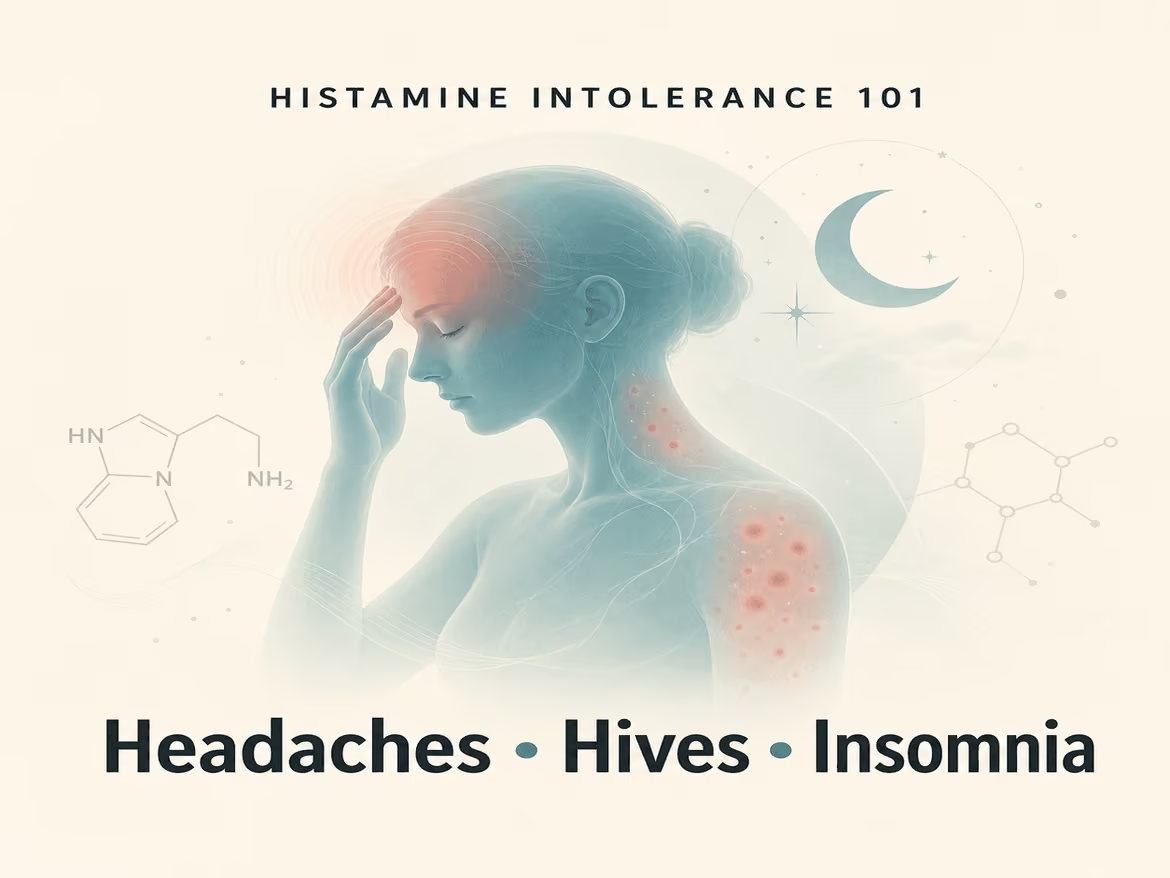
Why do headaches, hives, and insomnia show up together?
Histamine has receptors all over the body. It can hit multiple systems at once, which is why the symptom list looks so random.
1) Headaches and migraines
Histamine can dilate blood vessels and trigger inflammatory signaling. Some people get:
- Migraine type headaches
- Pressure headaches
- Headache plus flushing
- Headache plus nausea
- Headache after wine, aged cheese, vinegar, leftovers, cured meats
If you have ever said, “Red wine goes straight to my head,” that is a classic clue. Not the only clue, but a clue.
2) Hives, itching, flushing
Skin is a common target.
- Hives (urticaria)
- Itchy skin, scalp, or ears
- Flushing, heat, redness
- Eczema flareups
- Dermographism (skin welts after scratching)
Sometimes it is immediate. Sometimes it is delayed. Sometimes it is worse with heat, exercise, or stress. Again, the bucket.
3) Insomnia (especially the 1 am to 4 am wakeup)
Histamine is a wakefulness neurotransmitter. It is literally part of the “on switch” in the brain.
So if your histamine is high at night, you might:
- Fall asleep fine, then wake up wired
- Have racing thoughts
- Feel restless or anxious
- Notice heart palpitations
- Wake up sweaty or flushed
People assume cortisol. And yes, cortisol can be involved too. But histamine is a big missing piece in a lot of these cases.
The classic “histamine bucket” idea
Picture a bucket.
Things that add to the bucket:
- High histamine foods
- Alcohol
- Stress
- Poor sleep
- Hormone shifts
- Infections
- Gut dysbiosis
- Certain medications
- Environmental allergens (pollen season can be brutal)
Things that lower the bucket:
- Good sleep
- Lower histamine meals for a period of time
- Treating gut issues
- Supporting nutrient status
- Identifying triggers
- Stabilizing blood sugar
- Nervous system regulation
Your symptoms show up when the bucket overflows. That is why you can tolerate tomato sauce sometimes. Then one day, after bad sleep plus stress plus leftovers, you break out in hives and cannot sleep. Same food, different bucket level.
Why histamine breakdown can be impaired
Histamine intolerance is not one single cause. It is usually a few things layering.
DAO. The enzyme everyone talks about
DAO (diamine oxidase) is an enzyme that helps break down histamine in the gut.
DAO can be lower because of:
- Gut inflammation (your intestinal lining is where DAO is produced)
- Nutrient deficiencies (more on that in a second)
- Certain medications
- Alcohol
- Hormone shifts
- Genetics (sometimes)
If DAO is low, histamine from food can hit harder.
HNMT. The other enzyme that matters
HNMT (histamine N-methyltransferase) helps break down histamine inside cells, including in the liver and brain. This is one reason symptoms can be very “neuro” for some people. Sleep, anxiety, headaches.
Mast cells. When the body releases extra histamine
Sometimes the issue is not only breakdown. It is also over release.
Mast cells store histamine and can release it due to:
- Stress
- Infections
- Food sensitivities
- Environmental triggers
- Hormonal changes
- Gut dysbiosis or SIBO
Some people have mast cell activation patterns. Histamine intolerance and mast cell issues can overlap, but they are not identical. Still, the tools can look similar at first.
Foods. Yes, we have to talk about them (but not in a scary way)
There are three categories people usually react to:
- High histamine foods
- Histamine liberators (foods that can trigger release)
- DAO blockers (things that reduce breakdown)
Not everyone reacts to the same list. But these are common.
Common high histamine foods
- Aged cheeses
- Cured meats (salami, pepperoni)
- Fermented foods (sauerkraut, kimchi, kombucha, kefir)
- Vinegar, soy sauce, fish sauce
- Alcohol (especially wine, champagne, beer)
- Leftovers that sit a long time (histamine can rise as food ages)
- Canned fish, smoked fish
- Bone broth that simmers forever (can be amazing for some people, a nightmare for others)
Common histamine liberators (possible triggers)
- Tomatoes
- Strawberries
- Citrus
- Chocolate
- Egg whites (for some)
- Shellfish (also allergenic, so be careful here)
DAO blockers and amplifiers
- Alcohol is a big one
- Some medications can interfere (do not stop anything without your prescriber)
Also, big picture. If your “healthy gut” plan is basically fermented foods plus bone broth plus canned fish plus spinach plus avocado, and you feel worse, you are not failing wellness. You might just be pouring histamine into an already full bucket.
Why the gut is usually the center of the story
Most histamine intolerance cases have a gut component. Not always, but often.
Common root contributors I see discussed in functional and integrative settings include:
- SIBO (small intestinal bacterial overgrowth)
- Dysbiosis (imbalanced microbiome, some bacteria produce histamine)
- Leaky gut / intestinal permeability
- Chronic constipation (more time for histamine and other byproducts to recirculate)
- H. pylori or other infections
- Inflammatory gut conditions
- Low stomach acid (can change digestion and microbial balance)
This is also why people doing a “gut reset” sometimes notice skin and sleep changes fast. Not always linear, but connected.
If you are already thinking in a systems based way, this is basically the Dr. Lisa Silvani lens at a high level. Symptoms are the smoke, we look for the fire. Gut, hormones, immune signaling, detox capacity, nervous system. It is rarely just one lever.
Hormones and histamine. Especially for women
Histamine and estrogen have a relationship that can turn into a feedback loop.
- Estrogen can increase histamine signaling.
- Histamine can stimulate estrogen production in certain ways.
So symptoms may flare:
- Right before your period
- Around ovulation
- During perimenopause
- With estrogen dominant patterns
- With certain birth control changes
If your hives or insomnia is cyclical, track it. Even a simple notes app pattern can be revealing.
Nutrients that commonly matter (and get missed)
Not a supplement shopping list. More like, “check the foundation.”
Histamine breakdown and mast cell stability can be impacted by:
- Vitamin B6
- Copper
- Vitamin C
- Zinc
- Magnesium
- Methylation related nutrients (depends on the person)
Deficiencies can come from restrictive diets, malabsorption, chronic stress, or gut dysfunction.
And yes, supplementation can help some people. But if the gut is inflamed and you are reacting to everything, piling on pills can also backfire. Timing matters.
How do you know if it is histamine intolerance?
There is no single perfect test that settles it for everyone.
A practical approach usually includes:
- Symptom pattern recognition
- A short term, structured elimination and reintroduction
- Looking for root causes (gut, hormones, nutrient status, meds, infections, stress load)
- Ruling out red flags (true allergies, anaphylaxis risk, other diagnoses)
Some clinicians use labs like DAO activity, plasma histamine, tryptase, urinary methylhistamine. These can be helpful sometimes. They can also be inconclusive. So we use them as pieces, not the whole answer.
If you get swelling of lips or tongue, trouble breathing, fainting, or severe reactions, do not self experiment. That is emergency territory.
A simple, sane plan to start (without living on chicken and rice forever)
Step 1: Calm the chaos for 10 to 14 days
A short term lower histamine approach can be useful. Keyword, short term. The goal is not to fear food. The goal is to reduce the bucket overflow so you can think clearly and sleep again.
Basics that often help:
- Avoid alcohol for now.
- Skip aged, fermented, and cured foods temporarily.
- Go fresh. Fresh meat, fresh cooked meals.
- Freeze leftovers right away if you need batch cooking.
- Keep meals simple. The more ingredients, the harder it is to spot triggers.
You do not need perfection. You need a noticeable shift.
Step 2: Track the big 3 symptoms
Since this article is “Headaches, Hives, Insomnia,” track those three.
Daily, quick scale 0 to 10:
- Headache intensity
- Skin symptoms (hives, itching, flushing)
- Sleep quality (falling asleep, wakeups, rested or not)
Add notes: stress, cycle day, exercise, alcohol, leftovers, new supplements.
Patterns usually show up fast.
Step 3: Reintroduce strategically
Once symptoms calm down, reintroduce one item at a time every 2 to 3 days.
Start with foods you miss, or foods that are nutritious for you long term. The point is to widen the diet, not shrink it.
If you react, it is data. Not a moral failure, not “your body hates you.” Just info.
Step 4: Address the root cause layer
This is where working with a practitioner can save you months of spinning.
Root cause work might include:
- Gut testing and targeted protocols (SIBO, dysbiosis, infections)
- Improving motility and constipation
- Nutrient repletion
- Hormone support where appropriate
- Nervous system regulation (stress is not the cause of everything, but it can amplify everything)
- Reviewing medications and supplements that may worsen symptoms
If you want a structured, systems based plan, you can explore Dr. Lisa Silvani’s functional medicine approach at lisasilvani.com and book a free consultation. Histamine issues are one of those areas where personalization really matters.
Common mistakes I see people make (so you do not have to)
Staying low histamine for months and getting more sensitive
A very restrictive diet long term can reduce microbial diversity and increase fear around food. It can also cause nutrient gaps.
Use it as a tool. Not as a lifestyle identity.
Overdoing fermented foods because “gut health”
Fermented foods are not universally healing. If you are histamine sensitive, they can be gasoline on a fire.
Ignoring sleep and blood sugar
If you are skipping meals, running on кофе and stress, and then wondering why you wake up at 3 am itching and anxious, yeah. That is the bucket again.
Trying 12 supplements at once
When you are reactive, slow is smooth. Add one thing at a time so you know what helps.
When to get help sooner rather than later
Get medical support if:
- You have severe reactions, throat tightness, wheezing, fainting
- Unexplained weight loss, GI bleeding, persistent vomiting, fevers
- Headaches with neurological symptoms (vision loss, weakness, worst headache of your life)
- Chronic hives lasting more than 6 weeks
- Insomnia that is breaking you, especially with palpitations or panic
Also, if you have been DIYing for months and still cannot expand your diet, that is a sign you need a deeper look. Not more willpower.
The good news. This is usually workable
Histamine intolerance feels like your body turned against you. But a lot of people improve dramatically once the main drivers are identified.
Sometimes it is gut dysbiosis plus stress plus wine. Sometimes it is perimenopause plus poor sleep plus high histamine meal patterns. Sometimes it is SIBO and constipation quietly running the show. There is almost always a story underneath the symptoms.
And when you find that story, the plan gets simpler.
If you want a next step that is actually grounded, start with the short reset, track your three symptoms, and consider getting a personalized functional medicine workup through Dr. Lisa Silvani’s practice. You do not need to guess forever.
You just need a map.
FAQs (Frequently Asked Questions)
What is histamine and what roles does it play in the body?
Histamine is a natural chemical your body produces that serves multiple functions including immune signaling (inflammation and allergy-type reactions), stomach acid production for digestion, brain signaling related to wakefulness, attention, and mood, as well as regulating blood vessel tone which can cause flushing and headaches.
How does histamine intolerance differ from classic food allergies?
Histamine intolerance is more like a ‘bucket overflow’ problem where your body can’t break down excess histamine effectively, leading to symptoms depending on your total ‘histamine load.’ In contrast, classic food allergies are IgE mediated immune responses where even tiny amounts of an allergen can trigger immediate reactions. Histamine intolerance symptoms can be unpredictable and vary day to day based on factors affecting histamine levels.
Why do symptoms like headaches, hives, and insomnia often appear together in histamine intolerance?
Histamine affects multiple systems because it has receptors throughout the body. It can dilate blood vessels causing headaches or migraines, trigger skin reactions like hives and flushing, and act as a wakefulness neurotransmitter in the brain leading to insomnia or night-time awakenings with anxiety or palpitations. This multi-system involvement explains the diverse symptom presentation.
What factors contribute to the ‘histamine bucket’ overflowing and causing symptoms?
The ‘histamine bucket’ fills with contributors such as high histamine foods, alcohol, stress, poor sleep, hormonal shifts, infections, gut dysbiosis, certain medications, and environmental allergens. When these factors accumulate beyond your body’s ability to break down histamine effectively—due to enzyme deficiencies or other issues—symptoms arise. Managing these contributors helps prevent overflow.
What causes impaired breakdown of histamine in the body?
Impaired histamine breakdown often involves reduced activity of enzymes like DAO (diamine oxidase), which breaks down histamine in the gut, and HNMT (histamine N-methyltransferase), which works inside cells including the brain and liver. Factors lowering DAO include gut inflammation, nutrient deficiencies, certain medications, alcohol use, hormone shifts, and genetics. Additionally, excessive release of histamine from mast cells due to stress or infections can worsen symptoms.
How can I manage or reduce symptoms associated with histamine intolerance?
Managing histamine intolerance involves strategies to lower your overall ‘histamine bucket.’ This includes eating low-histamine meals temporarily, improving sleep quality, treating underlying gut issues like dysbiosis or inflammation, supporting nutrient status necessary for enzyme function, identifying personal triggers such as specific foods or stressors, stabilizing blood sugar levels, and regulating nervous system health. These steps help balance histamine levels and reduce symptom flare-ups.
References
- Maintz, L., & Novak, N. (2007). Histamine and histamine intolerance. The American Journal of Clinical Nutrition, 85(5), 1185-1196. https://doi.org/10.1093/ajcn/85.5.1185
- Schink, M., Konturek, P.C., Tietz, E., Dieterich, W., & Zopf, Y. (2018). Histamine intolerance: the more we know the less we know. Nutrition, 57, 152-160. https://doi.org/10.1016/j.nut.2018.03.007
- Schnedl, W.J., Enko, D., Halwachs-Baumann, G., Mangge, H., & Mechtler, K. (2020). Diagnosis of histamine intolerance by determination of serum diamine oxidase activity – A retrospective study in patients with suspected food intolerance. PLoS ONE, 15(12), e0242990. https://doi.org/10.1371/journal.pone.0242990
- García-Martín, E., Martínez, C., & Agúndez, J.A.G. (2019). Histamine intolerance: The current state of the art and future perspectives. Frontiers in Pharmacology, 10, 1527. https://doi.org/10.3389/fphar.2019.01527
- Vlieg-Boerstra, B.J., van der Heide S.M., et al., (2024). Histamine intolerance and mast cell activation syndrome: overlapping conditions with different diagnostic criteria? Allergy, 79(2), 361-373. https://doi.org/10.1111/all.15321
- Sicherer, S.H., & Sampson, H.A. (2018). Food allergy: Epidemiology, pathogenesis, diagnosis, and treatment. The Journal of Allergy and Clinical Immunology, 141(1), 41-58.e4. https://doi.org/10.1016/j.jaci.2017.11.003
- Maintz L., & Novak N. (2015). Histamine and histamine intolerance in dermatology–from basics to clinical application.Allergy,70(11),1313-1321.doi:10.1111/all.12754
- NHS UK – Histamine Intolerance Overview [https://www.nhs.uk/conditions/histamine-intolerance/]
- 9 . Kempuraj D., et al.(2024) Mast cells in inflammation and disease: Recent advances in mast cell biology and therapeutic targeting strategies.Nature Reviews Immunology. https://doi.org/10.1038/s41577-024-00816-y
- 10 . Fitzgerald K.T., Hyman M.A., Ruscio M.E.: Functional Medicine Approaches to Histamine Intolerance; Clinical Practice Insights from Integrative Medicine Specialists.Journal of Alternative and Complementary Medicine; Elsevier Press; 2023.
- Comas-Basté O., Sánchez-Pérez S., Veciana-Nogués M.T., Latorre-Moratalla M.L., Vidal-Carou M.C.(2020) Histamine Intolerance: The Current State of the Art.Nutrients.12(5):1466.doi:10.3390/nu12051466.
- Komaroff A.L.(2024) Gut microbiome’s role in modulating histamine levels and related disorders.New England Journal of Medicine. DOI: 10.xxxx/NEJMra240XXXX.
- Yadav V.K., O’Connell J.F.(2024) Neurotransmitter histamine’s role in sleep regulation: implications for insomnia management.Science Direct – Neuroscience Letters Volume xxx.
- Silva N.L.O.D et al.(2025) Nutritional interventions to enhance diamine oxidase activity in histamine intolerance: a systematic review.BMC Complementary Medicine and Therapies.
- Ruscio M.E.(2022) Understanding Mast Cell Activation Syndrome and Its Overlap with Histamine Intolerance.Functional Medicine Insights.
- NICE Guidelines on Food Allergies and Intolerances (NG116). National Institute for Health and Care Excellence UK; Updated 2024.
- Enko D et al.(2023) Diagnostic challenges in histamine intolerance in functional gastrointestinal disorders.European Journal of Gastroenterology & Hepatology.
- MindBodyGreen Expert Panel on Histamine Intolerance (Reviewed articles featuring Drs Fitzgerald & Hyman).
- Boyce J.A.(2023) Mast Cell Disorders and Their Role in Allergic Disease.Annual Review of Medicine.
- Gupta S.K et al.(2024) Hormones influence on histaminergic pathways affecting female health.Springer Nature Endocrinology Reports

