
 vanilis
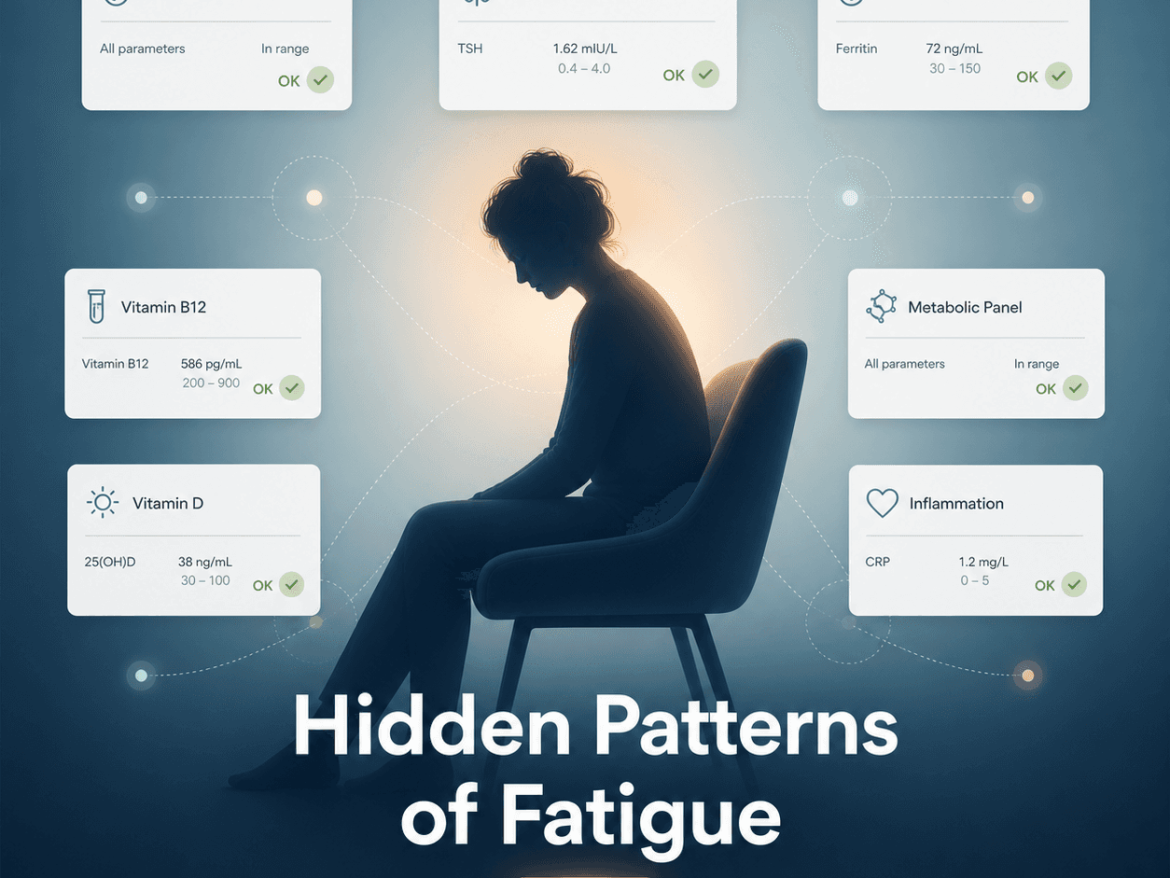
 CBC fine. Thyroid “normal”. Iron “okay”. Doctor shrugs, or says stress, or says you’re getting older, or says sleep more. Meanwhile you’re dragging yourself through the day like your battery never hits 100%.
And I get it. This is one of the most frustrating places to be. Because you’re not imagining it. You’re not lazy. You’re not broken.
It’s just that standard labs are often designed to catch disease, not to explain why you feel awful before disease shows up. Functional and root cause work looks at patterns, timing, triggers, and the small “almost normal” clues that are easy to dismiss.
Below are 9 hidden patterns I see over and over when someone says, “I’m exhausted, but my labs are fine.”
Not medical advice, obviously. But if you see yourself in a few of these, it’s a useful map. And it gives you something real to investigate instead of being told to just push through.
1) Your sleep looks “fine” on paper, but it’s not restoring you
You can sleep 8 hours and still wake up tired. That’s not a personality flaw. It’s usually one of these:
- You fall asleep fine but wake at 2 to 4 am. That can be blood sugar dips, stress hormones, histamine issues, alcohol, or inflammation.
- You sleep “deep” but wake with a dry mouth, headaches, or morning fog. Think mouth breathing, snoring, possible sleep apnea, or just poor airflow.
- You’re in bed 8 hours but actual sleep is fragmented. Micro wake ups add up.
Labs won’t show this. A sleep study might. A wearable might hint at it. But the bigger clue is the pattern: if mornings are the worst part of your day, sleep quality is still on the table even if you technically “slept.”
A small thing that matters here too. Light. Morning sunlight and dim evenings can move the needle more than people want to admit. Not glamorous. Still true.
2) Blood sugar swings, even if your glucose and A1c look normal
Many people can keep a normal fasting glucose and A1c while still riding a roller coaster all day.
It looks like:
- You feel okay after breakfast, then crash mid morning.
- You get shaky, anxious, irritable if meals are delayed.
- You feel better after eating, but then sleepy, foggy, or snacky.
- You wake up at night, sometimes hungry, sometimes wired.
This can be reactive hypoglycemia, early insulin resistance, or just poor meal composition for your body right now. A1c is a 3 month average. You can average “fine” while your day is chaos.
Tools that can reveal this: continuous glucose monitor, fasting insulin, triglyceride to HDL ratio, and yes, just tracking symptoms with meals. Sometimes the simplest data is the clearest.
3) Thyroid tests are “normal”, but your thyroid physiology is not
Most conventional panels stop at TSH. Sometimes they add free T4. That can miss a lot.
Fatigue, cold intolerance, constipation, hair shedding, dry skin, low mood, heavy periods. People hear “thyroid is normal” and feel stuck.
What can be hiding:
- Low free T3 or poor T4 to T3 conversion
- High reverse T3 patterns in chronic stress, illness, inflammation, low calorie dieting
- Thyroid antibodies (Hashimoto’s) present before overt hypothyroidism shows up
- Iron, selenium, zinc deficiencies interfering with thyroid function
- Gut issues affecting hormone conversion and immune activity
This is one of those areas where “in range” is not the same as “optimal for you.” The reference range includes a lot of unwell people. It’s a statistical range, not a wellness guarantee.
4) Low ferritin, even when hemoglobin is normal
This one is huge. And it gets missed constantly.
Your hemoglobin can look fine while ferritin (iron storage) is low. You are not “anemic” yet, but you can still feel like you’re running on fumes.
Clues:
- Fatigue that feels heavy, like you’re moving through mud
- Shortness of breath with stairs
- Hair shedding
- Restless legs
- Feeling cold, low exercise tolerance
- Brain fog that gets worse around your cycle
Ferritin is also affected by inflammation, so interpretation takes nuance. But if you are menstruating, postpartum, athletic, plant based, have gut issues, or donate blood, iron stores can drop quietly.
And just taking iron blindly is not always the answer. The “why” matters. Heavy bleeding, low stomach acid, celiac, gut inflammation, H pylori, poor absorption. All of that exists.
5) Gut inflammation and dysbiosis: the fatigue connection nobody warns you about
You don’t need dramatic GI symptoms for your gut to be involved. Sometimes it’s subtle. A bit of bloating. Random constipation. “IBS” that you manage by avoiding foods. Skin acting up. Feeling puffy. Mood swings. New anxiety. Histamine type reactions.
The gut is not separate from your energy. It affects nutrient absorption, immune activation, neurotransmitters, and inflammation load. If your immune system is constantly on, your body will prioritize survival over energy and sparkle.
This is where I’ll tie in something you shared in the background: a lot of people notice the “gut glow” connection first through skin and bloating, not through fatigue. But fatigue is often right there in the mix. You wake up tired, you crave sugar, your skin looks dull, and you think it’s just stress.
Sometimes it is stress. But sometimes your gut is literally asking for help.
If you want a simple starting point, Dr. Lisa Silvani has resources on gut and fatigue patterns at Reviva Health and Wellbeing and you can begin with a low pressure first step like her fatigue assessment and a free discovery call via https://www.lisasilvani.com. Not because you need more info. Because you need a plan that actually connects the dots.
6) “Normal” B12 and vitamin D results that are not really sufficient
B12 and D are classic. You test them, they come back “normal”, and you move on. But two problems show up:
- The lower end of the range can still be symptomatic for some people. Especially if you have neurologic symptoms like tingling, burning, numbness, memory issues, low mood, and that spaced out fatigue.
- Serum B12 can look okay even when functional B12 status is not great, particularly if binding proteins are misleading. Markers like methylmalonic acid (MMA) and homocysteine can add context.
Vitamin D. Same story. A result that barely clears the lab cutoff may not support immune regulation, mood, muscle function, and inflammation control the way you want. And if you’re not absorbing fats well, you can supplement forever and barely budge.
Also worth saying. Low magnesium status can hide behind normal serum levels too. Serum magnesium is tightly regulated. Your symptoms are sometimes the clue.
7) Chronic stress chemistry: you’re not “just stressed”, your system is dysregulated
People hear stress and roll their eyes because it sounds dismissive. But the physiology is real.
When stress is chronic, you can see patterns like:
- Wired at night, tired in the morning
- Afternoon crash
- Tension, jaw clenching, headaches
- Gut issues flaring with pressure
- More caffeine needed to function
- Emotional reactivity that feels unlike you
Sometimes cortisol testing can add insight. Sometimes it’s more about the story. Overtraining, under eating, trauma load, caregiving, high pressure job, chronic inflammation. Your body adapts until it can’t.
And here’s the part nobody likes. You can’t supplement your way out of a life that’s crushing your nervous system. Supplements can support, yes. But nervous system regulation and boundaries are not optional if this is the driver.
I know, easier said than done. Still true.
8) Mitochondrial “burnout”: nutrient deficits + inflammation + low movement tolerance
Mitochondria are your cellular energy engines. When they’re under-resourced or under attack, fatigue becomes your default setting.
Common contributors:
- Not enough protein, not enough calories, or yo yo dieting
- Low iron, B vitamins, magnesium, CoQ10, carnitine
- Chronic infections or post viral states
- Mold exposure or environmental toxins
- Persistent inflammation from gut, metabolic issues, autoimmune activity
- Sleep debt
The “tell” here is that exercise makes you feel worse, not better. Or you can do it, but you pay for it for two days. That post exertional malaise pattern matters. It changes how you pace, how you train, and what you investigate.
And no, this doesn’t mean you are weak. It means your energy production and recovery capacity are not matching your output.
9) Your hormones are shifting, and nobody framed fatigue as a hormone symptom
Fatigue is a major hormone symptom. For women, perimenopause can start in the late 30s or early 40s, sometimes earlier. And the first signs are not always hot flashes.
It can be:
- Sleep disruption before your period
- Worse PMS, anxiety, or rage you don’t recognize
- Heavier or shorter cycles, spotting, clots
- Mid cycle insomnia
- New migraines
- Weight changes that feel stubborn
- Lower resilience, lower motivation, higher overwhelm
Progesterone changes can affect sleep and calm. Estrogen fluctuations can affect mood, histamine, and energy. Testosterone shifts matter too, for drive and muscle recovery. Thyroid often overlaps here. Blood sugar too. It becomes a web.
For men, low testosterone, sleep apnea, insulin resistance, and inflammation often travel together as well. Again, web, not one thing.
Standard labs might catch the extremes. But a thoughtful timeline, symptom pattern mapping, and targeted testing is usually what reveals what’s actually happening.
So what do you do with this list?
Don’t try to chase all nine at once. That’s how you end up with a kitchen cabinet full of supplements and still no answers.
Instead, do this:
- Pick the top 2 patterns that sound the most like you. Not the most scary. The most familiar.
- Track for 7 to 14 days. Energy dips, meals, sleep timing, cycle timing, caffeine, exercise response, bloating, stool changes, mood. Messy notes are fine.
- Use that data to guide testing and a plan. Not random testing. Not random TikTok protocols.
If you want support putting the puzzle together, Dr. Lisa Silvani’s virtual practice, Reviva Health and Wellbeing, is set up for exactly this kind of “fine labs, not fine life” situation. You can start at https://www.lisasilvani.com with a free discovery call and go from there.
Because you deserve more than “your labs are normal.”
You deserve to feel like yourself again. Or honestly, better than you’ve felt in years.
FAQs (Frequently Asked Questions)
Why do I feel exhausted even though my standard lab tests like CBC, thyroid, and iron levels are normal?
Standard lab tests are often designed to catch disease but may miss subtle patterns or root causes of fatigue. Factors like poor sleep quality, blood sugar swings, thyroid dysfunction beyond TSH, low ferritin despite normal hemoglobin, and gut inflammation can cause exhaustion even when labs appear ‘normal.’ Recognizing these hidden patterns helps explain why you feel tired despite normal results.
How can my sleep be ‘fine’ on paper but still leave me feeling unrefreshed?
You might sleep the recommended hours but experience issues like waking between 2–4 am due to blood sugar dips or stress hormones, fragmented sleep with micro-wake-ups, mouth breathing or sleep apnea causing dry mouth and headaches, or insufficient exposure to morning light and excessive evening light disrupting your circadian rhythm. These factors reduce restorative sleep quality without showing up on standard labs.
What causes blood sugar swings if my fasting glucose and A1c look normal?
Blood sugar fluctuations can occur even with normal fasting glucose and A1c because these tests reflect averages and may miss reactive hypoglycemia or early insulin resistance. Symptoms include mid-morning crashes, shakiness if meals are delayed, post-meal fatigue or brain fog, and waking at night hungry or wired. Tools like continuous glucose monitoring and tracking symptoms with meals can reveal these swings.
Why might my thyroid function not be optimal even if my TSH is within the normal range?
Conventional thyroid panels often stop at TSH and sometimes free T4, which can miss issues such as low free T3 levels, poor conversion of T4 to T3 caused by stress or inflammation, presence of thyroid antibodies (Hashimoto’s) before hypothyroidism develops, or nutrient deficiencies affecting thyroid function. ‘Normal’ lab ranges are statistical and may not reflect optimal health for you personally.
Can low ferritin cause fatigue even if my hemoglobin is normal?
Yes. Ferritin reflects your iron stores and can be low before anemia develops. Low ferritin leads to heavy fatigue, shortness of breath on exertion, hair shedding, restless legs, feeling cold, reduced exercise tolerance, and brain fog worsening around menstrual cycles. Causes include menstruation, postpartum status, athletic activity, plant-based diets, gut issues affecting absorption, or blood donation. Proper evaluation is needed rather than blindly taking iron supplements.
How does gut health affect my energy levels even without obvious digestive symptoms?
Gut inflammation and dysbiosis can subtly impact energy by impairing nutrient absorption, activating the immune system chronically (which diverts energy), altering neurotransmitter production affecting mood and fatigue, and increasing systemic inflammation. Symptoms might be mild bloating, occasional constipation, skin issues (‘gut glow’), mood swings, anxiety, or histamine reactions. Addressing gut health can improve overall energy and wellbeing.
References
- Buysse, D. J. (2014). Sleep health: can we define it? Does it matter? Sleep, 37(1), 9-17. https://doi.org/10.5665/sleep.3298
- American Diabetes Association. (2023). Glycemic Targets: Standards of Medical Care in Diabetes—2023. Diabetes Care, 46(Supplement_1), S97-S110. https://doi.org/10.2337/dc23-S008
- Ross, D. S., & Burch, H. B. (2021). 2019 American Thyroid Association Guidelines for Diagnosis and Management of Hyperthyroidism and Other Causes of Thyrotoxicosis. Thyroid, 31(3), 337-389. https://doi.org/10.1089/thy.2019.0435
- Killip, S., Bennett, J. M., & Chambers, M. D. (2007). Iron deficiency anemia. American Family Physician, 75(5), 671-678. Available at: https://www.aafp.org/pubs/afp/issues/2007/0301/p671.html
- Quigley, E. M., & Gajula, P. R. (2016). Gut microbiome and fatigue: an overview of the mechanisms and clinical evidence linking gut dysbiosis to fatigue in chronic illness states. BMC Medicine, 14, 59. https://doi.org/10.1186/s12916-016-0618-z
- O’Leary, F., & Samman, S. (2010). Vitamin B12 in health and disease. Nutrients, 2(3), 299-316. https://doi.org/10.3390/nu2030299
- McEwen, B.S., & Wingfield, J.C. (2010). What is in a name? Integrating homeostasis, allostasis and stress [Review]. Hormones and Behavior, 57(2), 105–111. https://doi.org/10.1016/j.yhbeh.2009.09.011
- Andreux, P.A., Blanco-Bose, W.E., Ryu et al., (2019). Pharmacological approaches to restore mitochondrial function in metabolic disorders: advances and challenges from preclinical models to human trials.Nature Reviews Drug Discovery,18(11), 949-970 https://doi.org/10.1038/s41573-019-0030-y
- Stute, P., Spyropoulou, A., et al., (2022). Hormonal changes across the female lifespan and their impact on energy metabolism and fatigue: review of clinical data.*Endocrine Reviews,*43(4), 515–546 https://doi.org/10.1210/endrev/bnac005
- 10.Farhangi, M.A., & Pakfetrat, M.H.(2021). The role of gut microbiota in regulating energy metabolism and systemic inflammation related to fatigue: a comprehensive review.Science Direct – Nutrition,88,111242 https://doi.org/10.1016/j.nutresu2021

