
 dr. Lisa Silvani
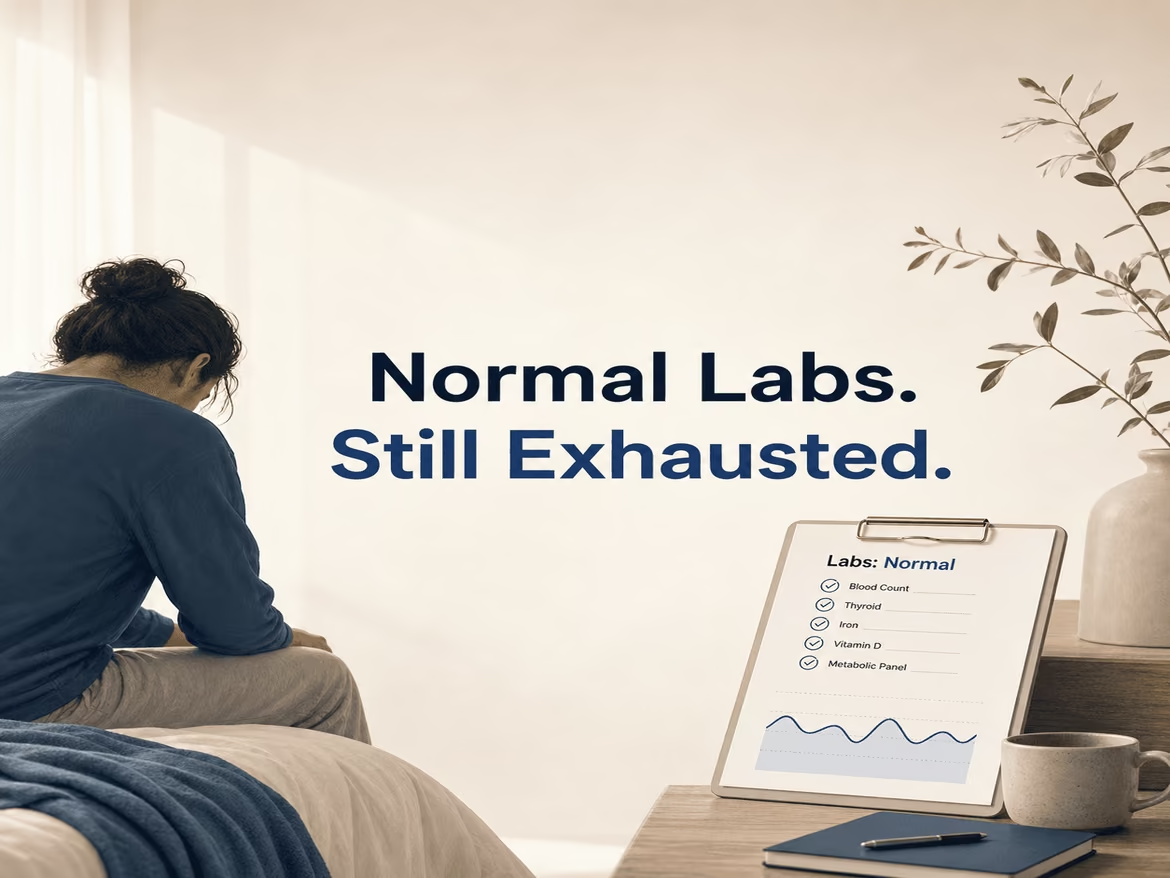
 You booked the appointment, sat in the waiting room, got the blood drawn. Maybe you even fasted. You mentally prepared yourself for the doctor to point at a glaring red flag and say, “Here it is. This is why you’re so tired.”
And then you get the message.
Everything looks normal.
No anemia. Thyroid “fine.” Blood sugar “fine.” Maybe your cholesterol is “a little elevated” but nothing that explains why it feels like your body is moving through wet cement.
So now you’re stuck with a weird emotional cocktail: relief (nothing scary showed up), confusion (so why do I feel like this?), and honestly… a little shame. Like you should stop complaining. Like it’s in your head.
It’s not.
“Normal labs” and “optimal function” are not the same thing. And fatigue is rarely one single issue. It’s usually a pile of smaller issues, living across multiple systems, quietly stacking up until your energy just… disappears.
This is exactly the kind of situation functional medicine was built for.
Let’s talk about why this happens, what “normal” really means, and what to look at next.
What “Normal” Actually Means (It’s Not What You Think)
Most standard lab ranges are built using large populations.
Not “healthy, thriving, sleeping great, energized” populations. Just… populations. A mix of ages, stress levels, chronic conditions, medications, poor sleep, and modern life.
So when you’re told your results are normal, that usually means:
- You’re not outside the statistical range
- You’re not showing an obvious disease pattern
- You don’t meet criteria for a diagnosis that insurance codes recognize
But you can absolutely be inside the reference range and still feel awful.
A common example is thyroid.
If your TSH is within the lab’s reference range, you’re considered normal. But some people feel best at a very different place within that range. Add stress, inflammation, low iron, low protein intake, and poor conversion of T4 to T3… and you can have “normal thyroid labs” with very real thyroid symptoms.
Same story with iron, B12, vitamin D, cortisol patterns, and more.
So if you’ve been told everything is fine, but your body is telling you it isn’t… listen to your body.
The Fatigue Nobody Can See on a Basic Panel
Most primary care workups are limited, because they have to be. Time, guidelines, insurance, all of it.
A typical fatigue panel might include:
- CBC
- CMP
- TSH (sometimes free T4)
- maybe ferritin
- maybe vitamin D
That can catch big stuff. It does not always catch the stuff that makes you feel like you’re dragging all day.
Here are the common “in-between” causes I see when someone feels exhausted but their labs are called normal.
1. Your Iron Might Be “Normal” But Not Enough for You
You can have a normal hemoglobin and still have low iron stores.
This is the classic pattern: no anemia on a CBC, but ferritin is low or borderline. Ferritin is your stored iron. It matters for energy, hair growth, mood, exercise tolerance, and temperature regulation.
Also, iron issues are not always just “eat more spinach.”
We have to ask why it’s low.
- heavy periods
- poor absorption (low stomach acid, gut inflammation, celiac, H. pylori)
- chronic inflammation trapping iron
- not enough iron intake, or not enough protein overall
If you are constantly tired, get short of breath easily, feel weak, or your legs feel heavy during workouts… iron is worth a deeper look.
2. Blood Sugar Can Be “Fine” and Still Be a Mess
A fasting glucose can look normal while your daily blood sugar is on a roller coaster.
Same with A1c. It’s an average. You can average out to “fine” while swinging high and low all day long.
And those swings feel like:
- crashing at 2 to 4 pm
- getting shaky or hangry
- needing coffee to function
- waking up at night, sometimes around 2 to 3 am
- feeling anxious for no clear reason
For many people, fatigue is not a lack of willpower. It’s unstable fuel.
Sometimes we need more data. Fasting insulin, post meal glucose patterns, or even a short run with a continuous glucose monitor can be very revealing.
It’s important to note that normal lab results don’t always mean that everything is fine, especially in midlife when many of the most common issues may not show up in standard tests.
3. Your Thyroid Can Look Normal But Not Be Working Well
This one is huge. And frustrating.
If only TSH is tested, you’re missing the full picture. You may need to look at:
- free T4
- free T3
- thyroid antibodies (Hashimoto’s can start before TSH changes)
- nutrient status that supports thyroid function (iron, selenium, zinc, iodine in context)
Also, thyroid function is tightly connected to stress and inflammation. Chronic stress can reduce conversion to active T3. Inflammation can change how receptors respond.
So yes, your TSH can be “normal.” And you can still have symptoms.
4. Cortisol and Stress Hormones: The Pattern Matters
Most people associate cortisol with being “high stress.”
But what I see in real life is more like this:
People are in survival mode for so long that they stop noticing it.
They wake up tired. They push through. They rely on caffeine. They get a second wind at night. They scroll. They sleep, but it’s not restorative. Then morning comes again.
Standard labs do not show this pattern well. Cortisol is rhythmic. It changes through the day.
When that rhythm is off, fatigue shows up along with:
- insomnia or wired but tired feeling
- anxiety, irritability
- salt or sugar cravings
- poor exercise recovery
- feeling worse after skipping a meal
This is where the conversation shifts from “Are you stressed?” to “Is your nervous system ever actually turning off?”
Because there’s a difference.
Understanding this connection between stress and thyroid function is crucial, as highlighted in this study which delves into the complex interplay of these factors.
5. Sleep: You Might Be Getting Hours But Not Quality
This is a sneaky one because people will say, “I sleep 8 hours.”
But it might be light sleep. Fragmented sleep. Unrefreshing sleep.
Common culprits:
- sleep apnea (yes, even in people who are not overweight)
- mouth breathing
- alcohol at night (it fragments sleep even if it helps you fall asleep)
- blood sugar dips overnight
- histamine issues
- late night screen exposure
- pain, inflammation, reflux
If you wake up with a headache, dry mouth, or you feel like you could fall asleep again immediately… we have to consider sleep quality.
Because if sleep is broken, everything else breaks slowly too.
6. Gut Issues That Show Up as Fatigue First
Some people think gut symptoms have to look like stomach pain or diarrhea.
Not always.
Gut imbalance can show up as:
- fatigue
- brain fog
- acne, eczema, rashes
- joint aches
- mood changes
- food sensitivities
- bloating that comes and goes
The gut is involved in nutrient absorption, immune signaling, inflammation, and even neurotransmitter production. So when the gut is inflamed or dysbiotic, energy drops.
Also, chronic low grade inflammation is exhausting. Your body spends energy running an internal fire you might not feel directly.
If you want a simple way to connect the dots here, Dr. Lisa Silvani has a lot of resources on systems based root cause care on her site, and her approach often starts with basics like gut function, hormones, detox pathways, and energy metabolism. You can explore that at LisaSilvani.com.
7. “Normal” Nutrients Still Might Not Be Optimal
Vitamin D is the classic one.
Many labs list “normal” as anything above 20 or 30. But some people feel better at higher levels. And vitamin D is not just a vitamin. It acts like a hormone, affecting immune function, mood, and inflammation.
Same with B12, folate, magnesium, zinc.
And here’s the thing. You can eat healthy and still be low.
Absorption matters. Stress affects digestion. Medications can deplete nutrients. Gut inflammation blocks uptake. And if your needs are higher (athletes, chronic stress, pregnancy, postpartum, autoimmune patterns), “normal” might not be enough.
8. Inflammation You Can’t See Yet
You don’t need a diagnosed autoimmune disease to have inflammatory fatigue.
Low grade inflammation can come from:
- gut permeability
- chronic infections (sometimes stealthy ones)
- high blood sugar swings
- poor sleep
- unmanaged stress
- mold exposure
- diet triggers
- periodontal disease, yes gums
Sometimes CRP is checked and it’s “normal.” But again, the range can be wide. And some people have inflammation in tissues that doesn’t show clearly on one marker.
Fatigue is often the first symptom of an inflammatory load.
9. Perimenopause and Hormone Shifts: The Early Signs Are Quiet
A lot of women get told their hormones are fine because they are “in range.”
But if you are in your late 30s, 40s, or early 50s, hormones can fluctuate wildly day to day. A single snapshot may not reflect the pattern.
Early perimenopause can look like:
- crushing fatigue before your period
- heavier or shorter cycles
- mood swings, anxiety
- sleep disruption
- new PMS
- weight changes, especially around the middle
- headaches
Estrogen and progesterone shifts affect sleep, blood sugar, thyroid conversion, and inflammation. So even if labs look okay, symptoms can still be loud.
The Two Questions I Ask When Labs Are Normal
If you’re in that weird “everything is normal but I feel terrible” zone, I usually bring it back to two questions:
1) Are you making energy well?
This points to mitochondria, thyroid signaling, nutrient status, oxygen delivery, and blood sugar stability.
2) Are you burning energy too fast?
This points to stress response, inflammation, poor sleep, gut immune activation, and hidden triggers.
Sometimes it’s one. Usually it’s both.
What to Do Next (Without Spiraling)
You do not need to order every test on the internet. And you also do not need to accept feeling like this as your new personality.
A grounded next step looks like this:
Step 1: Track patterns for 7 days
Nothing fancy. Notes app is fine.
Track:
- sleep time and wake time
- energy 0 to 10 morning, afternoon, evening
- caffeine and alcohol
- meals and timing
- workouts and recovery
- cycle day if relevant
- biggest stress moments
Patterns show up fast when you look.
Step 2: Tighten the basics (but in a realistic way)
Not “perfect wellness.” Just… supportive.
- protein at breakfast, or at least within 1 to 2 hours of waking
- hydration early in the day
- light exposure in the morning if possible
- reduce late night screen time
- a 10 minute walk after meals if blood sugar is a suspect
- earlier dinner, lighter at night
A lot of fatigue improves when fuel and circadian rhythm improve.
Not all. But more than you’d think.
Step 3: Get a more complete evaluation
This is where working with someone who looks at systems, not just one lab value, can be a game changer.
Functional and integrative medicine typically looks at:
- fuller thyroid panel (not just TSH)
- ferritin and iron studies
- fasting insulin and deeper metabolic markers
- inflammation markers in context
- nutrient status based on symptoms and risk factors
- gut function when indicated
- hormone patterns when indicated
- lifestyle drivers that keep the system stuck
If you want that kind of root cause approach, you can learn how Dr. Lisa Silvani works with patients virtually and what areas she focuses on at https://www.lisasilvani.com. There’s also a free consultation option on the site if you’re at the point where you want a real plan, not another “try magnesium” comment.
When to Push for More Help (A Quick Safety Note)
Fatigue is common, but it can also be a sign of something serious.
If you have fatigue plus any of these, don’t wait:
- chest pain, shortness of breath, fainting
- unexplained weight loss
- fevers, night sweats
- black stools, vomiting blood
- new severe depression or suicidal thoughts
- sudden severe weakness or neurological changes
Get evaluated promptly.
For the rest of us living in the gray zone, the goal is not to prove you are sick. The goal is to find out what your body is missing, what it’s reacting to, and what systems are out of balance.
Let’s Land This
If your labs are “normal” but you feel exhausted, it does not mean nothing is wrong.
It usually means:
- the right things weren’t tested
- the patterns weren’t interpreted in context
- the problem is functional before it becomes diagnosable
- your body is compensating, until it can’t
You’re not lazy. You’re not imagining it.
You’re getting a signal.
And with the right lens, you can actually follow that signal back to the root cause. If you want support doing that, start by exploring the fatigue and metabolism resources at LisaSilvani.com, and consider booking a consult to map out what to look at next.
FAQs (Frequently Asked Questions)
Why can my lab results be normal but I still feel fatigued?
Lab results labeled as “normal” typically mean your values fall within a statistical range derived from a general population, which includes people with varying health statuses. However, “normal labs” do not always equate to “optimal function.” Fatigue often arises from multiple subtle issues across various body systems that standard tests might not detect, so feeling tired despite normal labs is common and valid.
What does it mean when my iron levels are normal but I still feel tired?
You can have normal hemoglobin levels yet still suffer from low iron stores, especially if ferritin (stored iron) is low or borderline. Iron deficiency impacts energy, mood, exercise tolerance, and more. Causes include heavy periods, poor absorption due to gut issues, chronic inflammation trapping iron, or insufficient dietary intake. Thus, even with normal basic labs, iron deserves a deeper look if fatigue persists.
How can blood sugar be ‘normal’ but still cause fatigue?
Standard fasting glucose or A1c tests provide averages and might miss daily fluctuations in blood sugar levels. These swings can cause symptoms like afternoon crashes, shakiness, irritability (hangry feelings), dependence on caffeine, nighttime awakenings, and unexplained anxiety. Monitoring post-meal glucose patterns or using continuous glucose monitors may reveal unstable fuel sources contributing to fatigue.
Why might thyroid tests come back normal but symptoms persist?
Testing only TSH misses the full thyroid picture. Optimal assessment includes free T4, free T3, and thyroid antibodies since conditions like Hashimoto’s can begin before TSH changes. Additionally, nutrient deficiencies (iron, selenium, zinc) and chronic stress affecting hormone conversion can impair thyroid function despite normal lab values.
What limitations exist in standard fatigue panels done by primary care providers?
Typical fatigue workups often include CBC, CMP, TSH (sometimes free T4), ferritin, and vitamin D. While these catch major issues like anemia or overt thyroid dysfunction, they may miss subtle imbalances across multiple systems—such as borderline iron deficiency without anemia or blood sugar instability—that cumulatively cause persistent fatigue.
What should I do if my labs are normal but I continue to experience exhaustion?
Listen to your body and consider consulting a functional medicine practitioner who looks beyond standard lab ranges to assess nutrient status, hormonal balance including full thyroid panels, inflammation markers, blood sugar variability, and underlying causes affecting energy. Comprehensive evaluation can uncover hidden contributors to fatigue that routine tests overlook.
In addition, prioritize restorative sleep, stress management, and gentle movement, while tracking symptoms and lifestyle factors in a journal. This holistic approach may help identify patterns and guide tailored interventions for lasting improvement.
References
- Kresser, C. (n.d.). Why Hemoglobin A1c Is Not a Reliable Marker. Chris Kresser. Retrieved from https://chriskresser.com/why-hemoglobin-a1c-is-not-a-reliable-marker/comment-page-6/
- Cleveland Clinic. (n.d.). Thyroid Stimulating Hormone (TSH) Levels. Cleveland Clinic Health Library. Retrieved from https://my.clevelandclinic.org/health/articles/23524-thyroid-stimulating-hormone-tsh-levels
- American Thyroid Association. (2024). Understanding Your Thyroid Lab Results. Retrieved from https://www.thyroid.org/patient-thyroid-information/ct-for-patients/february-2024/vol-17-issue-2-p-5-6/
- Silvani, L. (n.d.). Why Your Labs Are “Normal” but You Feel Exhausted. Lisa Silvani Functional Medicine. Retrieved from https://www.lisasilvani.com
- Mindbodygreen Editors. (2023). Why Normal Lab Results Don’t Always Mean You’re Healthy. Mindbodygreen. Retrieved from https://www.mindbodygreen.com/articles/normal-lab-results-do-not-always-mean-youre-healthy
- Life Extension Foundation. (2023). Hidden Causes of Fatigue: When Normal Labs Aren’t Enough. Life Extension Magazine. Retrieved from https://www.lifeextension.com/magazine/hidden-causes-fatigue-normal-labs-not-enough
- Mary Claire, M.D. (2023). Normal Labs Don’t Mean Nothing Is Wrong, Especially in Midlife. Facebook Post. Retrieved from https://www.facebook.com/drmaryclaire/posts/normal-labs-dont-mean-nothing-is-wrong-especially-in-midlifemany-of-the-most-com/1422069942916966/
- Joffe, H., & Levitt, N.S. (2008). The role of thyroid hormones in energy metabolism and fatigue: beyond TSH levels. Journal of Clinical Endocrinology & Metabolism, 93(6), 2300–2305. https://academic.oup.com/jcem/article/93/6/2300/2598837


